Best PPGL Sheets for Roofing: A Complete Buyer’s Guide
2026-10-06
Roofing decisions are rarely simple, and PPGL sheets have quickly become a top choice for both residential and commercial projects thanks to their weather resistance and color retention. Yet, not all PPGL sheets are created equal. If you're scouring the market for the best option, you've likely run into confusing specs and vague claims. That's where this buyer's guide comes in. We cut through the noise with practical, hands-on advice—from coating types to thickness selection—so you can avoid costly mistakes. Plus, we highlight LANYUN, a supplier that consistently delivers on quality, to give you a trustworthy starting point.
What PPGL Actually Means Beneath the Paint
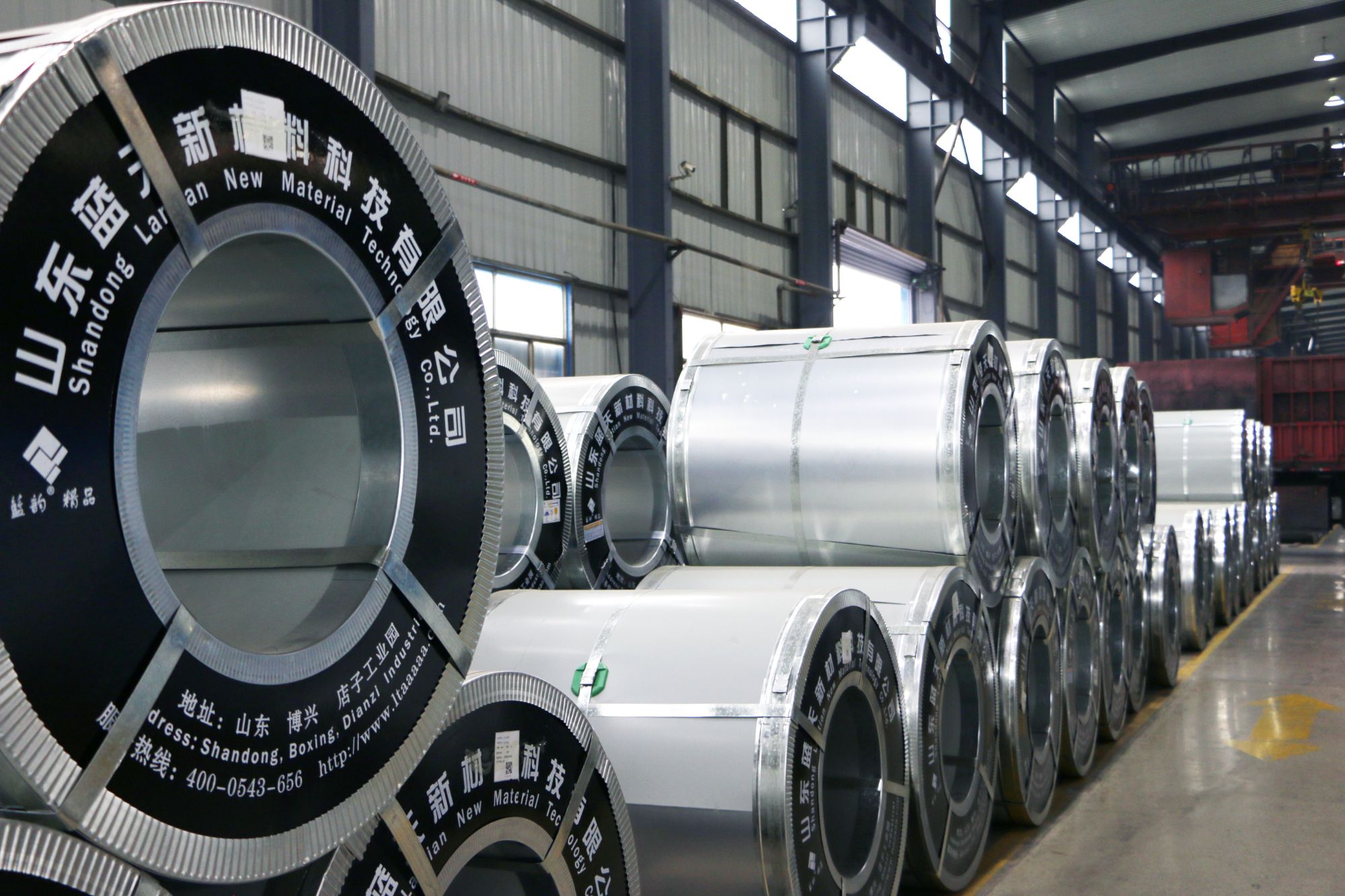
The visible colour on a PPGL panel is just the top layer. Strip it away and you hit the galvalume coating, a metallic bath of roughly 55% aluminium, 43.4% zinc, and 1.6% silicon. That alloy isn't there for looks; it's the main barrier against corrosion. Aluminium forms a tight oxide skin that resists rust, while zinc sacrifices itself at cut edges and scratches so the steel underneath stays intact. The small silicon addition keeps the coating layer uniform during the hot-dip process.
Beneath that coating is a plain carbon steel sheet, which gives the material its strength and formability. People often assume prepainted steel relies on the paint for protection, but the truth is the paint mainly shields the alloy layer from UV and physical wear. Once the surface is scratched, it's the zinc in the galvalume that steps in, not the pigment. That's why even a small breach in the finish won't immediately lead to red rust on a well-made PPGL sheet.
So when someone asks what PPGL actually means beneath the paint, the answer is a layered system: a steel core, a hot-dipped aluminium-zinc alloy, and only then the primer and topcoat. The chemistry underneath is what makes the product behave differently from ordinary painted cold-rolled steel. Without that intermediate metallic layer, the paint would be little more than decoration in harsh environments.
Checking the Paint Film Like You’re Stuck With It for 20 Years
Run your fingertips over the surface the way you'd trace a crack in a favorite coffee mug you refuse to throw away. That slight orange peel near the door handle? It'll bother you every single morning for two decades. Press your nail gently into a hidden edge—if it leaves a mark, think about how many times you'll open that panel before the car dies.
Look at the film under different lights, not just the showroom glow. Park it angled to the sun or hold a flashlight sideways. Those tiny fisheyes and solvent pops that vanish under direct light will shout at you from every parking lot at dusk. If you wouldn't accept a wavy reflection on your bathroom mirror for twenty years, don't accept it on a fender.
Ask yourself the uncomfortable questions: Will this clear coat still look deep after ten thousand washes? Will that thin spot behind the wheel arch start rusting before your kid learns to drive? Checking paint isn't about being picky—it's about picturing the exact moment you'll curse the guy who sprayed it.
Matching Sheet Gauge and Profile to Your Roof’s Real Weather Load
Roofing steel isn’t one-size-fits-all, and the first thing worth questioning is whether the gauge you’re eyeing will just look right or actually stand up to the snow, wind, and hail your area throws at it. A 29-gauge panel might be perfectly fine over a sheltered porch in a mild climate, but put that same panel on a wide-open agricultural building in heavy snow country and you’re inviting deflection, fastener pull-out, or worse. Thicker steel—like 26 or 24 gauge—adds real stiffness, which matters most when the roof has long spans between purlins or when local codes demand higher wind uplift resistance.
But gauge alone doesn’t tell the whole story. The profile shape does a surprising amount of the heavy lifting. High-rib panels with deep corrugations, such as R-panels or standing seam with tall ribs, channel water off fast and give the sheet more beam strength than a low-profile, flat-pan design. If your roof sees frequent heavy downpours or you’re in a region where ice dams form, a taller rib and a steeper pitch work together to shed weather before it finds a seam to exploit. Meanwhile, wide flat areas between ribs can collect leaves or snow pockets, so for low-slope applications or heavily treed lots, choose a profile with tighter rib spacing and fewer flat stretches.
The real trick is matching both gauge and profile to the actual load path, not just the average weather report. A coastal home with salt spray might need a thicker gauge plus a higher-quality coating system, while a mountain cabin deals with compressive snow loads that punish shallow ribs. Look at the span tables from the manufacturer, then bump up a gauge or add a rib if your roof has valleys, dormers, or equipment mounts that concentrate stress. Saving a few dollars on lighter metal often means paying for it later in oil-canning, leaks, or a roof that sings in the wind. Pick the combination that treats the worst weather day as the design day, and the roof will handle everything else quietly.
Warranties and Test Reports Worth More Than the Fine Print
People often skim past warranty booklets and test reports, assuming they're just boilerplate legal padding. But those documents can reveal more about a product's real-world staying power than any glossy marketing page ever will. A warranty that covers labor and parts for a decade, with clearly stated exclusions and a straightforward claims process, tells you the manufacturer expects the thing to keep working long after the return window closes.
Test reports matter even more when they come from independent labs rather than in-house quality checks. Look for specifics: what exact conditions were simulated, how many cycles the component endured, and whether the report includes failure thresholds. A vague statement like 'tested for durability' means almost nothing, but a report that lists 50,000 open-and-close cycles on a hinge assembly gives you concrete data to compare against alternatives.
Savvy buyers treat these documents as negotiation tools too. If a competitor's product carries a five-year warranty while the one in your hands only offers two, that gap usually reflects differences in material grade or build quality. Reading the fine print here isn't about trying to catch the seller in a trap—it's about understanding what the company is willing to stake its reputation on, and that's often worth more than any spec sheet bullet point.
On-Site Habits That Decide Whether the Roof Ages Gracefully
Roof aging isn’t just about the shingles or the weather—it’s about the choices made every time someone walks across it. A careless boot scrape near a valley, a tool dropped and left to rust under a vent, or a clogged drain that gets “checked later” can all set off a chain of small failures. On-site habits like keeping a soft-soled shoe policy for inspections and marking fragile spots with chalk before work starts often matter more than the brand of underlayment. When technicians kneel on the same few tiles repeatedly or rest a nail gun on a ridge cap, those micro-stresses accumulate. The roof that ages gracefully is the one nobody notices because the crew treated it like a living surface, not a static slab.
There’s a difference between walking a roof and reading it. Crews that pause at the eaves to look backwards, that run a gloved hand along a flashing seam without yanking at it, develop an instinct for early warning signs. They might not call it “moisture mapping” or “thermal cycling”; they just know that a slight give underfoot near the chimney means the decking has started to soften. The habit of checking fastener patterns after every storm, not just during annual maintenance, catches the loose nail before it becomes a leak. And when it comes to debris, the best roofers don’t wait for leaf piles to compact—they clear the valleys while the leaves are still dry, because wet organic matter is a slow acid bath for metal and sealant.
Good on-site habits also mean knowing when to stop. Over-washing a roof with a pressure washer can blast away granules that took years to bed in. Repeatedly applying sealant over old sealant traps moisture instead of repelling it. The graceful roof is often the one where someone had the restraint to document a minor issue, schedule a follow-up, and then leave it alone instead of “fixing” it into a bigger problem. In the end, what decides whether a roof ages gracefully isn’t a product spec or a warranty clause—it’s the accumulation of small, deliberate choices made by people who respect the fact that every step, every scrape, every decision on that slope writes itself into the roof’s final chapter.
A Five-Minute Maintenance Routine That Keeps the Finish From Fading
Many folks assume keeping that deep gloss requires expensive tools or a whole afternoon, but that's not the case. A quick five-minute routine, done consistently once a week, does more to prevent fading than any occasional marathon session. The real heroes are a gentle car wash soap and a high-quality microfiber cloth—these two basics outperform most fancy gadgets on the shelf.
Start by rinsing loose dust off the body with plain water, because dry wiping will grind grit into the clear coat. Mix a capful of pH-neutral shampoo in a bucket, then wash from the roof down using a soft sponge—never dish soap, which strips away whatever protection is left. After a final rinse, pat the surface dry with a microfiber towel instead of rubbing, and you'll avoid those fine spider scratches. Finally, mist on a quick detailer or spray sealant, just one thin coat, wait half a minute, and buff it off with a clean side of the cloth.
The secret isn't perfection—it's repetition. A short weekly wipe-down beats a rare deep polish every time. And always work in the shade; if the panels are hot, the cleaner flashes off too fast and leaves water spots. Stick with this for two months, and you'll notice the paint still looks wet and rich, rather than slowly turning chalky and dull.
FAQ
PPGL uses a galvalume coating—roughly 55% aluminum, 43.5% zinc, and a little silicon—before the paint layers go on. The aluminum gives it much better resistance to rust and heat reflection than plain zinc-coated steel, so it handles hot, humid, or coastal weather more comfortably.
For most homes, 0.40 mm to 0.50 mm base steel is enough, but if you get heavy storms, hail, or want to walk on the roof during maintenance, step up to 0.55 mm or 0.60 mm. Thinner sheets save money but can oil-can in direct sun and get noisy in high wind.
Look for a PVDF or SMP coating with a light color—white, off-white, or pale gray—because light shades reflect more heat. PVDF holds color and gloss longer under UV, while SMP is fine for less extreme climates. Avoid dark colors unless the manufacturer adds heat-reflective pigments.
Yes, but not all PPGL is equal. Choose sheets with an AZ150 or AZ180 galvalume coating and go for a thicker primer plus a marine-grade top coat. Edge cuts and fastener holes need touch-up paint or sealant, because that's where salt water usually starts corrosion.
Cutting on site is normal, but never use a grinder that throws hot sparks onto the coated surface—the heat burns the paint and zinc around the cut. Use a nibbler or shear, then clean away metal chips and apply cold galvanizing spray or touch-up paint to any exposed edge before fixing.
A quick inspection twice a year is enough for most places. Clear debris from valleys and gutters, check for scratched paint or loose fasteners, and rinse off dust or bird droppings with plain water. If you're near the coast, rinse more often so salt doesn't sit on the surface.
PPGL works best on slopes of 5 degrees or more. On very low slopes, water sits longer and any tiny gap around a fastener becomes a leak. If your roof is below 5 degrees, you either need a standing seam profile with concealed fasteners or a different waterproofing approach.
Conclusion
A good PPGL roof starts long before the first panel is screwed down. Understanding what sits beneath that colorful paint—galvalume-coated steel, typically with a mix of aluminum and zinc—tells you how it will fight rust at cut edges and scratches. But the coating alone isn't enough: the paint film itself has to withstand decades of UV exposure, so look for thick, flexible finishes that won't chalk or crack after a few harsh summers. Match the sheet gauge and profile to what your roof actually faces. A light 0.35mm corrugated sheet might be fine for a carport in a mild climate, but if you get heavy snow or wind-driven rain, a thicker gauge with a deeper, stiffer profile keeps the roof from oil-canning or buckling.
Don't skip the paperwork. A warranty that clearly covers film integrity and substrate perforation, backed by independent test reports for salt spray and QUV weathering, is worth more than a bold marketing claim. On site, how you handle the sheets matters just as much—avoid dragging them across gravel, use the right fasteners with EPDM washers, and touch up exposed edges immediately. Finally, a simple rinse twice a year to remove dust, pollen, and bird droppings goes a long way. PPGL won't demand much, but those five minutes with a hose will keep the finish from fading and the substrate from quietly corroding where the coating is thinnest.
Contact Us
Contact Person: Nia
Email: [email protected]
Tel/WhatsApp: +86 18954360337
Website: https://www.sdppgi.com