Calcium Chloride 94% Prills Company Evaluation Criteria for Industrial Buyers
2026-10-16
When sourcing calcium chloride 94% prills, most industrial buyers narrow their focus to price per ton and delivery times. But that approach often misses the real cost drivers: purity consistency, anti-caking performance, and whether a supplier can handle volume spikes without quality slipping. Shouguang Golden Chemical has built its reputation on meeting those less obvious criteria, not just ticking spec sheets. In this guide, we break down the evaluation benchmarks that separate dependable prill suppliers from the rest—so your next purchase decision is based on what actually happens in your storage tanks and production lines. Explore more at Shouguang Golden Chemical.
Does the Supplier Actually Meet the 94% Purity Claim on Every Batch?
It’s easy to print “94% purity” on a label. The harder question is whether that number holds when the batch actually arrives at your door. In practice, suppliers that take this seriously will send a certificate of analysis with each shipment, and the document should list the specific lot number you’re receiving, not a generic spec sheet pulled from a website.
Ask for a recent third-party lab report and compare the purity figure across multiple batches. If every report shows exactly 94.0%, that’s a red flag: real analytical results fluctuate slightly from run to run. A supplier worth keeping will show values like 94.2%, 93.8%, or 94.5% across lots, along with test dates and the lab’s name.
You can also request a random sample from the current inventory and pay for your own independent test. This costs a little upfront, but it quickly separates suppliers who can prove batch-to-batch consistency from those who rely on a single old certificate.
How Moisture Absorption and Prill Integrity Affect Your Process
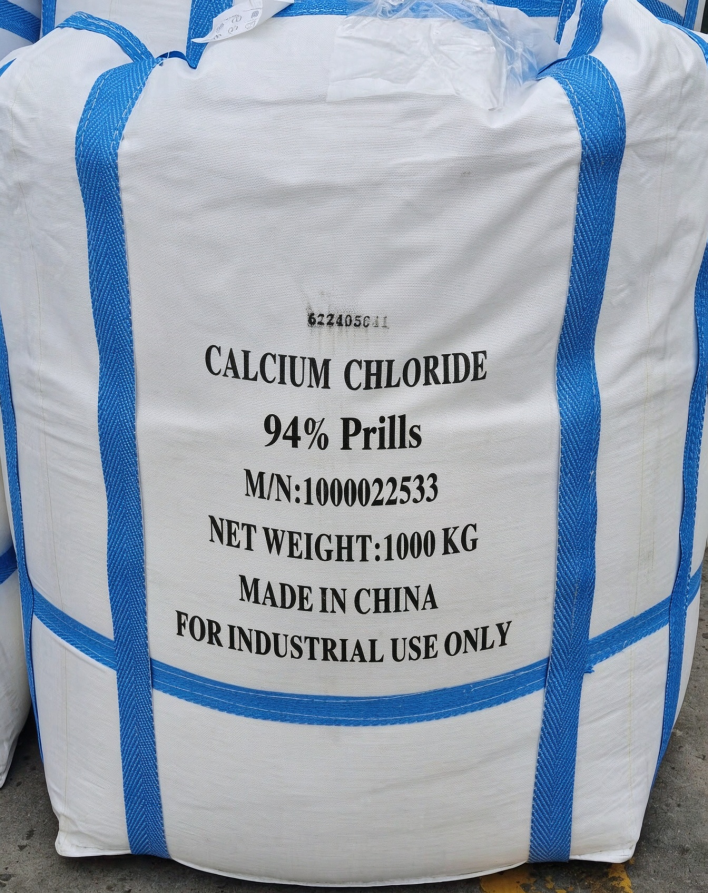
Moisture absorption rarely announces itself until your conveying lines start choking or a batch comes out with inconsistent density. Prills that look dry on the surface can still pull humidity from ambient air, especially during humid shifts or after storage in unsealed hoppers. The first sign is often a slow loss of free-flowing behavior: material bridges in the feed throat, rotary valves bind, or weigh belts drift because the product no longer slides uniformly.
That surface tackiness also makes prills stick together under modest pressure, turning a free-flowing granular input into lumps that break unpredictably downstream. In a continuous process, this means dosing errors and uneven melt or dissolution rates. You might compensate by raising temperatures or adjusting screw speeds, but that only masks the root cause and can degrade heat-sensitive formulations.
Prill integrity matters just as much. Soft or fractured prills generate fines that accumulate in corners, blind filters, and create dust during transfers. Those fines absorb moisture even faster than whole prills, accelerating caking in silos and making cleanout more frequent. The cumulative effect shows up as higher scrap rates, longer changeovers, and more maintenance hours on equipment that should run unattended.
What a Supplier’s Logistics Network Reveals About Delivery Reliability
A close look at a supplier's logistics network often tells you more than any performance scorecard. The number and location of distribution centers, the mix of contracted carriers versus owned fleets, and the redundancy built into routing options all hint at how well a supplier can absorb disruptions. If every shipment funnels through a single regional hub with no alternative lanes, a weather event or labor slowdown can cascade into weeks of missed deadlines. Conversely, suppliers who maintain multiple cross-dock points or who hold safety stock at edge locations typically recover faster when the unexpected hits.
The depth of carrier relationships also matters. A supplier that leans heavily on one national parcel or freight provider may look efficient on paper during calm periods, but that concentration creates fragility. Those with a broader mix of regional LTL partners, dedicated last-mile fleets, and even rail options can negotiate better capacity during peak seasons and reroute volume when one lane breaks down. Ask how often they test alternate routes—not just whether they exist on a PowerPoint slide.
Finally, watch for transparency in handoff points between modes. Delays rarely happen mid-transit; they cluster at docks, cross-docks, and final-mile transfers. A supplier whose logistics network includes real-time visibility into those handoffs, with clear escalation triggers and local contingency contacts, is signaling a culture that treats delivery reliability as an operational habit rather than a marketing promise. That kind of network design shows up in fewer missed windows and faster correction when problems do arise.
Hidden Costs in Calcium Chloride Procurement: Freight, Packaging, and Terms
Freight is often the largest hidden expense in calcium chloride procurement, yet it rarely appears in the initial unit price quotation. Most buyers focus on the cost per metric ton at the plant gate, but the actual delivered cost can jump sharply once you factor in trucking distances, fuel surcharges, and the need for moisture-resistant trailers. Calcium chloride is hygroscopic, so carriers may charge extra for sealed or lined containers, and small-volume orders routinely face much higher per-ton freight rates than full truckloads. Ignoring these variables can turn a seemingly cheap supply source into an expensive mistake.
Packaging choices quietly shape your total spend in ways that spec sheets don't reveal. The standard 25-kilogram bag seems convenient, but it often leads to product caking, torn bags, and spillage during handling—each one a small loss that adds up over a year. Switching to supersacks or bulk delivery lowers the per-unit material cost, but only if your site already has the silos, hoppers, or forklift attachments to handle them. Liners, pallet wrap, and custom labeling are frequently billed as extras, and the supplier's default packaging may not match how your crew actually dispenses the material on the floor.
Terms and conditions are where the quietest profit leaks hide. A price quote built on ex-works terms means you absorb loading fees and transit risk, while a delivered price might include vague insurance clauses that leave gaps in coverage. Extended payment periods sound attractive but carry real financing costs, and strict minimum order quantities force you to tie up capital in inventory you don't yet need. Even penalty clauses for late delivery or force majeure definitions can shift unexpected costs onto the buyer. Negotiating these fine points often saves more money than another round of price haggling.
Technical Expertise: Does the Supplier Understand Your Specific Application?
A supplier can list decades of experience on a spec sheet, but that rarely tells you whether they grasp the quirks of your particular process. The real test comes when you describe an unusual load profile, a tight packaging constraint, or a material that behaves unpredictably under heat. Does the conversation shift from generic capabilities to targeted follow-up questions? Do they ask about your duty cycle, the ambient conditions on your floor, or how your operators actually interact with the equipment? Those details separate a vendor who sells components from one who engineers solutions around your constraints.
Look for evidence that they have worked inside applications similar to yours—not just in your broad industry, but in the specific corner of it where your challenges live. A supplier who has helped a food processor handle sticky residue has relevant insight for a cosmetics line dealing with viscous emulsions, even if the ingredient lists differ. Ask for a walkthrough of a past project where requirements shifted mid-design. How did they adapt? Did they revise thermal calculations, swap sealing materials, or rethink the control logic? The answers reveal whether their expertise is static knowledge or a working method for solving unfamiliar problems.
Technical depth also shows in the language they use. Instead of vague assurances about “robust performance,” a capable supplier will discuss specific failure modes, derating under continuous operation, or the trade-off between speed and torque ripple in your particular motion profile. They should be able to explain why a standard enclosure might fail in your washdown environment and what coating or sealing change would prevent it. If they can’t move beyond catalog specifications into your actual operating conditions, they haven’t truly understood your application.
Environmental and Safety Compliance: Reading Between the Lines of the SDS
Most people skim an SDS for the obvious hazards—flammability ratings, acute toxicity numbers, pictograms that jump off the page. But the real compliance story often hides in sections that rarely get a second glance. Storage incompatibilities, for instance, can turn a routine warehouse shelf into a slow-burning liability. If a material reacts with common metals or oxidizers, and your team stores it next to steel drums out of habit, you're not just violating a recommendation—you're building the conditions for an unplanned release. The same goes for environmental fate data. A substance that biodegrades poorly or bioaccumulates changes how you handle spill response, waste disposal, and even your permits. Reading between the lines means treating the SDS as a diagnostic tool, not a checklist.
Another underused section is the exposure controls and personal protective equipment guidance, especially when it conflicts with what workers actually do. An SDS might specify full-face respirators for tasks that last under fifteen minutes, but if your site's standard practice is a loose-fitting dust mask, you've got a silent gap. Compliance isn't just about having the document on file; it's about noticing where the fine print contradicts daily reality. Look for statements like "no data available" or "not established." Those aren't harmless blanks—they're red flags that force you to seek supplemental vendor information or run your own exposure monitoring. Overlooking them can leave you exposed to both regulatory fines and worker health claims.
Finally, pay attention to the revision date and the regulatory status lines buried near the bottom. A SDS that hasn't been updated since a major chemical classification change—think GHS revisions or new marine pollutant listings—may still look valid but no longer reflect current law. Suppliers sometimes update only the date without re-evaluating the content, so cross-check section 15 against your local regulations instead of assuming alignment. When the SDS mentions disposal considerations in vague terms like "dispose of in accordance with local, state, and federal regulations," that's not a green light. It's a reminder that the real compliance burden sits with you, the end user. The document gives you data points; your job is to translate them into site-specific controls and records that would hold up under an inspection. That's the difference between having an SDS and actually using it.
FAQ
Confirm the actual calcium chloride content through certificates of analysis and third-party test reports, not just the product label. Ask for recent batch data and check for impurities like magnesium, sodium, and insoluble matter that can affect downstream processes.
It affects dissolution rate and handling. Look for consistent prill size with low fines, because broken particles can create dust during unloading and caking in storage. Request a sieve analysis from the producer and compare it against your feeding equipment specs.
Calcium chloride is hygroscopic. If bags or bulk containers are not moisture-proof, the product may absorb water and harden before use. Ask about inner liners, sealed bulk loads, and pallet wrapping that resist humidity during transit and warehousing.
Check production capacity, geographic location of stockpiles, and contingency plans for peak season. A supplier with multiple storage terminals or dedicated logistics partners can avoid delivery gaps when road or rail capacity tightens.
Yes. The best suppliers offer guidance on dosing rates, storage practices, and handling safety. Even if you have in-house expertise, a responsive technical contact helps solve issues like unexpected caking or bridging in silos.
Request historical quality data for the last six to twelve months, not just one gold-standard sample. Consistent chloride content and low impurity levels across seasons indicate stable raw material sourcing and process control.
Prefer quotes that break down product cost, packaging, and freight. Avoid lump-sum bids that hide surcharges. Ask about volume rebates, price adjustment clauses tied to raw material indexes, and payment terms that match your cash flow.
Conclusion
Evaluating a calcium chloride 94% prills supplier should start with a healthy skepticism toward any certificate of analysis that lacks batch-specific data. Ask whether the supplier runs independent lab checks on every lot and can produce those records without hesitation; a single “typical” purity sheet is not the same as verifying 94% on the shipment you actually receive. Moisture absorption and prill hardness deserve equal attention, because soft or damp prills can bridge in silos, throw off feed rates, or create dust that irritates workers. Request sieve analysis and storage recommendations, and ask how the product behaves after weeks in a humid environment. A dependable logistics network is also a leading indicator—if a supplier has multiple stocking points or can shift production between plants, they are more likely to cover your needs during a rail slowdown or port congestion.
Hidden costs often hide in plain sight: freight class, pallet configuration, bag weight versus supersacks, and payment terms can swing the real landed cost by ten percent or more, so compare quotes on a delivered, all-in basis rather than ex-works price. Technical expertise separates commodity traders from true partners—does the supplier’s team know how their prills perform in dust control, brine mixing, de-icing, or concrete acceleration, and can they troubleshoot when your process changes? Finally, read the SDS with a critical eye. Consistent hazard communication, clear handling and spill procedures, and alignment with local environmental rules reveal whether safety is a core practice or just paperwork. A supplier that treats compliance as an afterthought may be cutting corners in ways that eventually reach your production line.
Contact Us
Contact Person: Tom Cui
Email: [email protected]
Tel/WhatsApp: +8618663670626
Website: https://www.jinjigoldenchem.com