
Caravan Factory Essentials: Crafting Your Ultimate Mobile Home
2026-04-01
Welcome to the ultimate guide on crafting your perfect mobile home! In today's fast-paced world, the allure of the open road and the freedom of a custom caravan are more appealing than ever. Whether you're an adventurer seeking new horizons or someone dreaming of a cozy, on-the-go lifestyle, this blog will walk you through the essentials to make it happen. We'll explore everything from innovative designs to practical tips that transform a simple vehicle into your personal sanctuary.
As we delve into this journey, remember that the right support can make all the difference. At Oriental Shimao, we've been empowering enthusiasts with top-notch solutions for years. Our expertise in mobile living spaces ensures you get the quality and creativity needed to build your dream on wheels. Get ready to discover how to optimize every inch and embrace the nomadic life without compromise—your adventure starts here!
Selecting the Perfect Camper Base
Choosing the right camper base is more than just a practical decision—it's about finding the foundation that aligns with your dreams and lifestyle. It's essential to start by reflecting on how you plan to use your camper. Are you aiming for weekend getaways to nearby parks, or do you envision long-term road trips across diverse terrains? Different uses demand different bases; for instance, a light-duty model might suffice for casual adventures, while rugged expeditions could require a heavy-duty base built for durability and stability. This initial consideration sets the stage for a camper that truly fits your adventures, ensuring you're not just buying equipment but investing in experiences that resonate with your personal journey.
Beyond usage, key factors like size, weight capacity, and design play pivotal roles in the selection process. Size matters because it dictates how much space you have for living quarters, storage, and amenities, directly impacting comfort during extended stays. Weight capacity is equally crucial, as it determines the camper's load-bearing ability, affecting safety and performance on various roads. For example, a base with a higher weight rating can accommodate more gear without compromising handling. Additionally, the design—whether it's a compact chassis for maneuvering tight spots or a spacious frame for added features—should complement your intended destinations. By weighing these elements carefully, you can strike a balance that enhances your travel without unnecessary compromises.
Finally, don't overlook maintenance and long-term value when picking a camper base. A well-built base not only withstands wear and tear over time but also retains its resale value, making it a smart investment. Consider factors like material quality, warranty options, and ease of repairs, as these can save you headaches down the road. For instance, bases made from corrosion-resistant materials may last longer in harsh conditions. By prioritizing durability and future-proofing, you ensure your camper remains a reliable companion for years to come, turning every trip into a seamless adventure rather than a series of fixes.
Maximizing Minimalist Interior Design
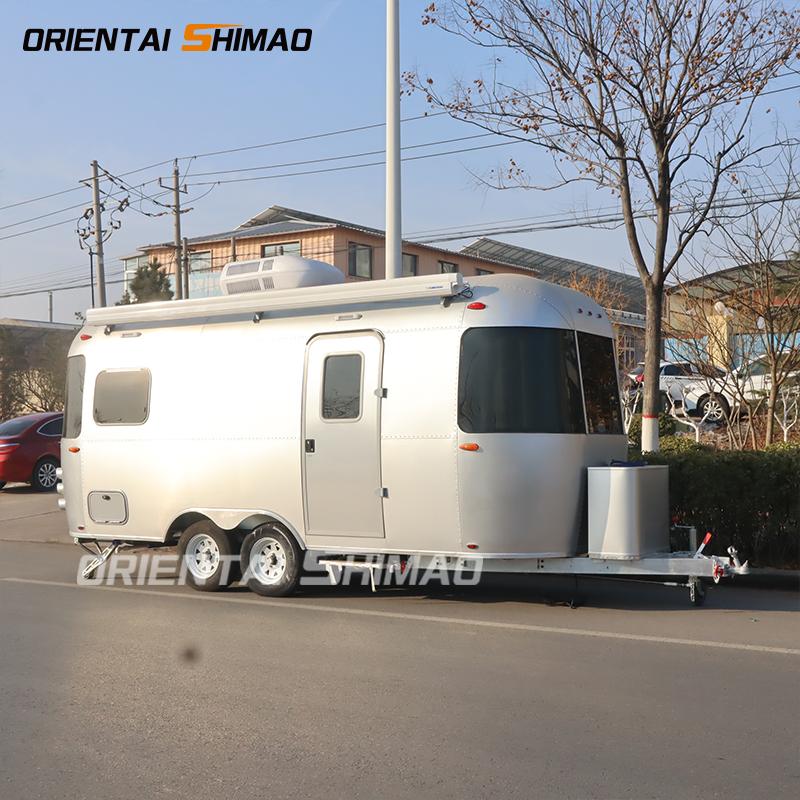
Embracing minimalist interior design doesn't mean sacrificing comfort or personality; it's about curating each element to serve a purpose and evoke serenity. By focusing on clean lines, neutral color palettes, and uncluttered spaces, this approach transforms rooms into havens of tranquility. Whether in a cozy apartment or a spacious home, minimalist principles encourage intentional living, where every piece of furniture and decor contributes to a harmonious atmosphere.
Key strategies for maximizing this style include selecting multifunctional furniture, such as a sleek storage bench or a minimalist bookshelf that doubles as art. Incorporating natural materials like wood and stone adds warmth without clutter, while strategic lighting enhances depth and mood. This thoughtful curation allows spaces to breathe, making them feel larger and more inviting.
The beauty of minimalist design lies in its adaptability—it can be tailored to personal tastes, from stark monochrome schemes to soft, earthy tones. By prioritizing quality over quantity, it fosters a sense of calm and clarity, proving that less truly is more. This approach not only revitalizes interiors but also promotes a mindful lifestyle, freeing occupants from the chaos of excess.
Essential Off-Grid Power Systems
Living off the grid isn't just about disconnecting from utility companies—it's a transformative journey toward energy independence, sustainability, and resilience that reshapes how we interact with power sources. Unlike traditional setups, these systems are designed to operate in remote or self-sufficient environments, often blending renewable energy like solar, wind, or hydro with battery storage to ensure a reliable supply. Imagine a home nestled in the mountains or a remote cabin where every watt generated and stored is carefully managed to power daily life, from lighting to appliances, without reliance on external grids. This approach not only reduces environmental impact but also empowers individuals to take control of their energy needs, fostering a deeper connection to natural resources.
To build an effective off-grid power system, you'll need more than just panels and batteries; it requires a holistic strategy that balances generation, storage, and consumption. Key components typically include renewable energy sources—such as solar arrays that harness sunlight or small wind turbines capturing breezes—coupled with robust battery banks like lithium-ion or lead-acid for storing excess energy. An inverter converts stored DC power to AC for household use, while a charge controller prevents overcharging and extends battery life. Beyond hardware, smart energy management is crucial: monitoring usage patterns, optimizing load distribution, and incorporating backup generators or hybrid solutions can prevent downtime during low-production periods. This tailored setup ensures that even in fluctuating weather or increased demand, your power remains steady and sustainable.
What sets outstanding off-grid systems apart is their adaptability and forward-thinking design, moving beyond basic functionality to enhance lifestyle and environmental stewardship. Instead of a one-size-fits-all solution, these systems are often custom-built to match specific climates, energy goals, and budgets—think of integrating passive solar heating or rainwater harvesting for a truly autonomous home. Innovations like microgrid technology or AI-driven energy analytics are making it easier to predict needs and optimize performance, while community-based projects foster shared resources and resilience. Ultimately, embracing off-grid power isn't just about survival; it's a creative endeavor that encourages mindful consumption, reduces long-term costs, and contributes to a sustainable future, proving that true independence starts with how we power our lives.
Customizing Storage Solutions for Adventure
When planning an adventure, customized storage solutions can transform a basic trip into a seamless experience. Forget one-size-fits-all gear; tailoring storage involves assessing your specific needs, whether it's waterproof compartments for river rafting, shock-resistant cases for mountain biking, or modular backpacks that adapt to changing terrains. Start by evaluating your equipment and activities to design a system that keeps essentials accessible and secure, preventing frustration on the trail and enhancing your overall enjoyment.
To stand out in adventure storage, consider unique materials and designs that prioritize durability and functionality. For example, integrate lightweight, eco-friendly fabrics or innovative fastening mechanisms that withstand extreme weather. Think beyond traditional bags to customizable racks, in-vehicle organizers, or smart storage tech that tracks gear location. By focusing on specialized solutions, you can optimize space, reduce clutter, and ensure every item has its place, making your adventures more organized and efficient.
Implementing custom storage isn't just about practicality—it elevates your adventure by adding a personal touch. Experiment with color-coding, personalized labels, or adjustable layouts that reflect your style and preferences. This approach not only improves usability but also fosters a sense of ownership over your gear. Ultimately, investing time in customizing storage leads to smoother outings, where you can focus on the adventure itself rather than managing belongings.
Integrating Eco-Friendly Water Systems
Integrating eco-friendly water systems offers a transformative approach to managing water resources in urban and rural settings. These systems prioritize sustainability by reducing waste, conserving water, and minimizing environmental impact through innovative technologies like rainwater harvesting and greywater recycling. By seamlessly blending with existing infrastructure, they enhance efficiency while promoting resilience against climate change, supporting both ecological health and community needs.
One standout aspect is the adoption of smart water management solutions, which utilize sensors and IoT devices to monitor usage in real-time, enabling precise control and quick leak detection. This not only cuts down on unnecessary consumption but also lowers utility bills, making eco-friendly systems an economically viable choice for homeowners and businesses alike. Moreover, integrating green roofs and permeable pavements helps recharge groundwater naturally, further reducing reliance on treated municipal supplies.
Beyond technical benefits, these systems foster a culture of environmental stewardship by engaging communities in water conservation efforts. Educational programs and community-led initiatives can empower individuals to adopt sustainable practices, turning water management into a collaborative endeavor. As cities worldwide face growing water scarcity, embracing such integrated approaches becomes essential for building sustainable, future-ready environments that thrive in harmony with nature.
Adding Personal Touches for Road Comfort
When it comes to road trips, comfort often starts with the small details that make the journey uniquely yours. Instead of sticking to generic travel routines, consider adding personal touches like curating a custom playlist filled with your favorite tracks or packing a travel journal to jot down memories along the way. These elements not only enhance relaxation but also transform a simple drive into a more engaging adventure.
Personal comfort can also stem from practical adjustments tailored to your preferences. For instance, investing in ergonomic seat cushions or bringing along cozy blankets and pillows from home can significantly improve long hours on the road. By focusing on what makes you feel most at ease, you can minimize travel fatigue and create a familiar, soothing atmosphere within your vehicle.
Beyond physical items, incorporating personal rituals such as stopping at local cafes you love or planning scenic detours based on your interests adds depth to the travel experience. These touches allow you to connect more deeply with the journey, ensuring that road comfort isn't just about reaching a destination but also about enjoying the process in a way that reflects your personality and style.
FAQ
Look for a reliable and durable model with sufficient payload capacity and good fuel efficiency. Factors like engine power, maintenance history, and available aftermarket support are crucial for a smooth conversion. It's not just about size; consider the vehicle's ability to handle additional weight and modifications.
Use vertical spaces with custom-built cabinets and shelves. Opt for multi-functional furniture, like benches that double as storage units. Don't overlook under-bed and ceiling compartments; every inch counts when you're living on the road.
Prioritize fire safety with smoke alarms and fire extinguishers. Install carbon monoxide detectors, secure heavy furniture to prevent shifting, and ensure reliable brakes and tires. Regular checks on electrical and gas systems are non-negotiable for peace of mind.
Rely on solar panels or wind turbines for power, paired with deep-cycle batteries. Use energy-efficient appliances and LED lighting to reduce consumption. Keep an eye on battery health and invest in a good inverter for a steady power supply.
Spray foam insulation provides excellent coverage in tight spaces, while rigid foam boards are great for walls. Reflective barriers help in hot climates. Choose materials that balance thermal performance with weight to avoid overloading the vehicle.
Absolutely. For remote work, install a sturdy desk, ergonomic seating, and reliable internet solutions. Adventure travelers might add roof racks, extra water tanks, and rugged tires. Tailor the layout to your daily needs for a truly personalized space.
Schedule a thorough check every six months or after significant trips. Focus on tires, brakes, suspension, and seals. Address minor issues promptly to prevent costly repairs later, as regular maintenance is key to a durable mobile home.
Conclusion
Caravan Factory Essentials: Crafting Your Ultimate Mobile Home explores the art of transforming a camper base into a personalized sanctuary on wheels. It begins by emphasizing the importance of selecting the perfect camper base, which sets the foundation for all subsequent customizations. This choice influences everything from layout possibilities to off-grid capabilities, making it crucial for long-term comfort and functionality. The guide then delves into maximizing minimalist interior design, where every element serves a purpose, blending aesthetics with practicality to create a serene and efficient living space. This approach not only enhances visual appeal but also supports a clutter-free lifestyle on the move.
Beyond the interior, the article highlights essential systems for self-sufficiency, including off-grid power setups and eco-friendly water solutions, ensuring travelers can venture beyond conventional routes without sacrificing convenience. Customized storage solutions are tailored for adventure, organizing gear efficiently to keep the mobile home tidy and ready for spontaneity. Finally, adding personal touches, such as cozy textiles or artwork, injects warmth and character, turning the caravan into a true home away from home. Together, these elements underscore a holistic approach to mobile living, where careful planning and creativity converge to craft a unique and functional retreat for the open road.
Contact Us
Contact Person: Jack Wang
Email: [email protected]
Tel/WhatsApp: 8618306483516
Website: https://www.orientalshimaofoodtruck.com