
Cast-in-Place Formwork for Cement Houses: Your Complete Selection Guide
2026-07-22
Selecting the right cast-in-place formwork for cement houses can make or break your construction project. From slashing labor hours by up to 40% to achieving flawless surfaces that require minimal finishing, the formwork system you choose directly impacts your bottom line. In this guide, you’ll discover how LugongMachinery’s innovative formwork solutions are helping builders move faster, reduce waste, and deliver stronger structures—while you avoid the hidden pitfalls that catch most contractors off guard. Ready to rethink what your forms can do?
Formwork Materials That Won’t Let You Down
When you're deep into a concrete pour, the last thing you need is a formwork failure. The right materials make all the difference—they hold the load, keep their shape, and release cleanly. From high-grade plywood with phenolic film coatings to modular steel systems that clip together in minutes, the choices are broader than they used to be. It's not just about strength; it's about predictability. You need materials that behave the same way on your hundredth project as they did on the first.
Aluminum panels have quietly become a game-changer on many sites. They're light enough to move by hand but stiff enough to resist deflection under wet concrete pressure. The payback isn't only in reusability—it's in how fast crews can set them up and strip them down without sacrificing the finish. Paired with well-designed accessories, they bring a kind of rhythm to the work that heavier or more finicky materials struggle to match.
Nobody likes buying replacements mid-project or dealing with warped edges that leave unsightly joints. That's why the most reliable formwork materials are chosen not just by spec sheets, but by reputation on the ground. Whether it's engineered lumber, composite panels, or all-steel setups, the ones worth trusting are the ones that consistently arrive on time, handle the weather, and deliver a surface that needs minimal patching. You stop thinking about the formwork entirely—and that's exactly when you know it's doing its job.
How to Match Formwork Type to Your Home Design
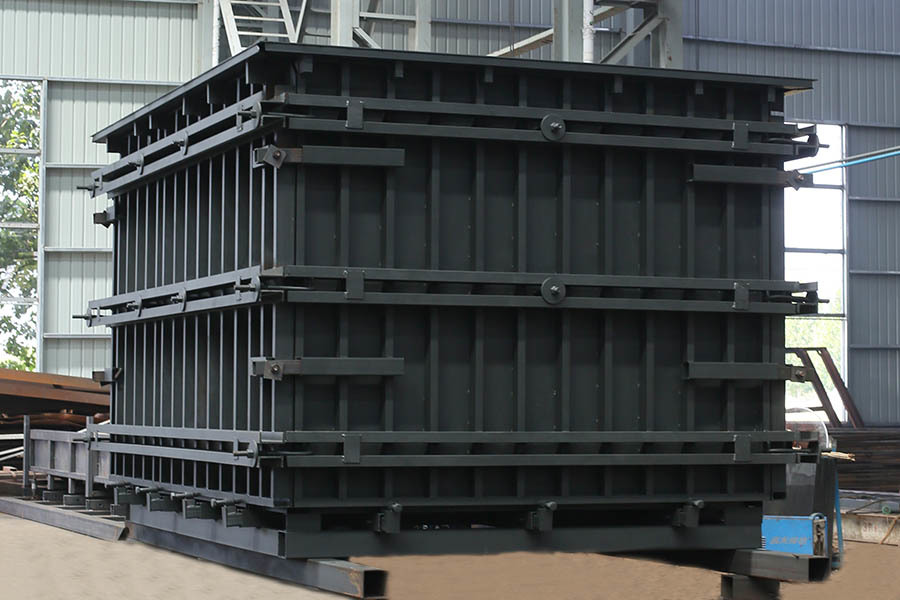
Your home’s architectural style sets the stage for formwork selection, guiding both the practical and visual aspects of concrete surfaces. A minimalist modern build often pairs naturally with smooth, unadorned formwork that produces sleek, flat walls—think aluminum or steel forms that leave a crisp finish. In contrast, a rustic or industrial design might call for textured board-formed concrete, where the grain of timber formwork imparts warmth and a handmade quality to every surface.
Consider how the concrete will interact with other materials in your home. If you're aiming for a cool, gallery-like interior, glass-fiber reinforced plastic (GFRP) forms can replicate the precision of metal while being lighter and easier to handle, giving you a flawless white or grey canvas. For homes that blend indoor and outdoor spaces, formwork that allows for deep reveals or shadow lines can accentuate the connection to nature, framing light and landscape in subtle, deliberate ways.
Don’t overlook the construction process itself. Reusable modular formwork systems can speed up a build and reduce waste, which matters if your design is restrained by a tight timeline or budget. But if your heart is set on one-off custom textures, staying involved in the formwork planning ensures the final imprints—whether from a weathered board or a custom rubber mold—are exactly what you envisioned, turning structural necessity into a defining feature of your home.
The Real Cost of Cast-in-Place Formwork (And Where to Save)
The price tag on cast-in-place formwork often hides a cascade of indirect expenses that can surprise even seasoned builders. Material waste, extended labor hours from complex setups, and the silent drain of equipment rentals accumulate quickly, sometimes ballooning the initial estimate by half. What looks like a straightforward concrete pour can turn into a project manager's headache when formwork isn't treated as a strategic cost center from day one.
Savings don't always mean switching to the cheapest plywood or rushing the stripping cycle. Smart teams cut costs by standardizing panel sizes across pours, which reduces cutting on site and lets labor move faster. They also plan form reuse meticulously—a quality form sealed and stored properly might survive twenty uses instead of five, slashing per-cycle expense without sacrificing finish quality. It's rarely about a single big decision but a chain of small, consistent habits that keep formwork from eating the budget.
One underrated lever is investing in formwork engineering early. A few hours spent simplifying joint locations and aligning pour breaks with forming logic can eliminate days of field confusion and rework. Similarly, negotiating flat-rate rental periods that cover weather delays rather than paying daily overages prevents those stressful invoice surprises. The real cost of formwork isn't just the lumber and ties—it's the planning, or lack of it, that determines whether your numbers hold or quietly bleed.
Site Prep Mistakes That Ruin Your Cement Finish
Getting the base right is everything when it comes to cement work, and skipping a simple compaction step can spell disaster. You might have the perfect mix and curing plan, but if the ground underneath is soft or uneven, the slab will settle and crack over time. Take the time to dig down to stable soil, remove any organics, and compact in layers. A plate compactor or jumping jack isn’t optional when you’re aiming for a finish that lasts; it’s the difference between a floor that stays flat and one that develops spiderweb cracks within a season.
Moisture control before the pour is another area where even experienced crews slip up. Dry soil will draw moisture out of your concrete too fast, weakening the surface and leading to crazing. But oversaturating creates a muddy mess that compromises the subgrade. The sweet spot is damp—not wet—soil, covered just before pouring. A common misstep is letting the sun bake the prepared base while you mix or wait for a truck, so keep a hose and plastic sheeting nearby to maintain that ideal moisture level right up until the cement hits the ground.
Formwork and grade mistakes can be sneaky because they look fine on the surface but cause major trouble later. If your forms aren’t perfectly level and properly staked, you’ll end up with a slab that’s thicker on one end—and the thin sections will crater under load. Don’t rely on eyeballing slopes for drainage; use a laser level or a long straightedge and check it twice. And forget the idea that rebar or mesh can fix a sloppy base: they reinforce, but they won’t prevent voids or settlement if the prep is poorly done. Attention to these details before the pour is what separates a glass-smooth finish from a patch job waiting to happen.
Pro Tips for Faster Formwork Assembly Without Sacrificing Quality
One often-overlooked shortcut is pre-assembling repetitive modules at ground level before lifting them into place. By building identical panel clusters—like those for columns or beams—as standalone units, you eliminate the stop-and-start of piece-by-piece vertical assembly. This approach not only shaves hours off the schedule but also reduces worker fatigue, which directly lowers the risk of alignment errors. A simple jig or template on a flat surface ensures each module mirrors the last, so once they’re hoisted and connected, plumb and level checks become almost a formality.
Another game changer is rethinking your fastener strategy. Swapping traditional nuts and bolts for wedge-lock systems or quick-release clamps can cut connection time by more than half without compromising structural grip. The key is to audit which joints genuinely need full tensioning and which can handle a secure, speed-optimized closure. Pair this with a color-coded inventory system for pins, wedges, and accessories—so new crew members spend zero time hunting for parts—and the rhythm of assembly visibly quickens, yet the finish quality holds steady because the core geometry stays untouched.
When to Reuse, Rent, or Buy Your Formwork System
Figuring out whether to reuse what you already own, rent equipment for a short stint, or invest in new formwork comes down to the demands of the project staring you in the face. If you’ve got a standard, repetitive pour coming up and your existing gear is in decent shape, reusing can shave weeks off procurement and keep cash in your pocket. But don’t just dust off the same panels without a hard look—check for warping, rust, or fatigue that could throw off your finish or slow down the crew.
Renting starts making sense when the structure calls for something you don’t typically keep on hand, like curved walls, high-clearance shoring, or a specialized system you’d only touch once every few years. It sidesteps storage headaches and ties your cost directly to the rental period, which can be a lifesaver for tight schedules. Just be ready to coordinate delivery and pickup like a hawk, because a day’s delay at either end can eat up the savings you were counting on.
Buying fresh formwork is the long play—it’s yours to tweak, modify, and cycle through projects without answering to a rental yard. That upfront spend only pencils out when you can forecast steady use, or when the project has enough repetition to justify the depreciation. Think beyond the purchase price: factor in maintenance, storage space, and the reality that technology evolves. Locking in a system now might feel solid, but if your next three jobs don’t match its strengths, you’ll be staring at a sunk cost rather than a smart asset.
FAQ
Cast-in-place formwork involves setting up molds directly on the construction site where concrete is poured and cured in its final position. Unlike prefabricated panels made off-site, this approach allows for seamless, monolithic structures with fewer joints, better waterproofing, and greater design flexibility. You get a continuous load-bearing wall or slab that's tailor-made for the specific project, not limited by transport or modular constraints.
It really depends on your project scale and finish requirements. Timber plywood is the go-to for small to medium builds due to its cost-effectiveness and ease of handling, but for a smoother concrete surface and reusability, steel forms are unbeatable—they can be reused hundreds of times. Aluminum is gaining traction for its lightweight durability, while plastic forms are excellent for complex curves or decorative patterns. For a straightforward house, many crews stick with high-quality 18mm plywood backed by sturdy steel frames.
Start by mapping out the total concrete surface area and number of repetitions. If you're building a single house, renting steel forms or buying reusable plywood panels often strikes the best balance between cost and speed. For a development with multiple identical units, investing in a modular steel or aluminum system pays off quickly. Don't forget to factor in labor skill level—sophisticated ganged forms might speed things up but need experienced crews, while simpler hand-set systems are more forgiving on tight budgets or with less specialized labor.
Underestimating lateral pressure is a classic one—fresh concrete behaves like a heavy fluid and can bulge or blow out weak forms. Inadequate bracing and tie spacing lead to wavy walls. Many also overlook the need for proper alignment and sealing of joints, which causes honeycombing or fins. Another pitfall is removing forms too early, before the concrete gains enough strength, resulting in surface damage or even structural cracks. Lastly, not applying release agent properly often ruins the finish and shortens the formwork lifespan.
Absolutely. First, invest time in building level and plumb corners—everything else follows from there. Use uniform tie pressure and stagger the joints between lifts. Apply a high-quality release agent sparingly but evenly; too much leaves stains, too little makes stripping a nightmare. For a architectural finish, consider using film-faced plywood without splintering edges and tape the joints to prevent leakage. Vibration technique matters: immerse the vibrator vertically at regular intervals and avoid touching the form surface directly, as that can cause blemishes. Finally, protect freshly stripped concrete from rapid drying with curing compounds or wet coverings.
The formwork isn't just a mold—it dictates the concrete's final geometry and consolidation. Poorly designed or erected forms can lead to misaligned walls, variations in thickness, cold joints, or honeycombing that weaken the structure. Correct tie placement and waler spacing ensure the form can withstand the high pressures during pouring without deflecting. Moreover, proper formwork accommodates embedments like rebar, plumbing, and electrical conduits without compromising cover or creating thermal bridges. In essence, precise formwork translates directly to a safer, more durable house that meets engineering specs.
After each use, clean panels immediately with a soft scraper and water, avoiding harsh chiseling that damages the face. Dry them thoroughly before storage to prevent warping or corrosion. Apply a light coat of release agent or protective oil to steel faces. Store components off the ground on level racks, sorted by size, and covered to shield from rain and sun. Inspect regularly for dents, bows, or worn edges, and repair or label damaged pieces to keep them out of circulation. Good organization not only prolongs material life but also saves hours of hunting for the right piece on the next job.
Conclusion
Selecting the right cast-in-place formwork for your cement house isn’t just about picking the strongest material—it's about balancing durability, design flexibility, and budget from the ground up. Steel forms offer unmatched reusability for multiple pours, while timber brings that warm, textured finish ideal for accent walls. Aluminum panels, though pricier upfront, cut assembly time dramatically on repetitive layouts. The trick is matching the form type to your home’s architectural language: curved walls demand flexible systems like plastic-faced plywood, whereas sharp modernist lines thrive with rigid steel frames. I’ve seen too many projects where a poorly planned formwork choice led to honeycombing or misaligned reveals—mistakes that show up long after the concrete cures.
Cost control doesn’t mean cheaping out on forms; it means being smart about where to invest. Renting makes sense for one-off custom shapes, but buying a modular system pays for itself if you’re building multiple houses. Prep work is the unsung hero—compacted subgrade and properly oiled release agents prevent those patchy finishes that scream amateur. For speed without sacrificing quality, pre-assemble panels at ground level and use quick-release clamps rather than nails. And if you think you’ll reuse the same formwork within a year, keep it; otherwise, a rental fleet with a buyback option often trims costs without cluttering your site. The real art lies in viewing formwork not as a temporary mold but as the skeleton that shapes your home’s final character.
Contact Us
Contact Person: Zhang Zhenlai
Email: [email protected]
Tel/WhatsApp: 8618563210000
Website: https://en.lugongmachinery.com/