China Ounce Box: The Complete Guide to This Versatile Packaging
2026-09-13
When it comes to packaging small, delicate items like e-liquids, concentrates, or cosmetics, the ounce box often gets overlooked—yet it's one of the most versatile options on the market. From its sturdy construction to customizable designs, understanding what makes a China ounce box work can save you time and money. In this guide, we’ll break down everything you need to know, from materials to customization, and show you why Kuaijie Carton has become a go-to supplier for brands that demand quality without compromise.
The Real Reason Your Favorite Brands Source Ounce Boxes from China
Ask most people why their go-to brand suddenly switched to Chinese-made ounce boxes and they'll point straight to price. That's not wrong, but it's also not the whole picture. Over the last fifteen years, the Pearl River Delta has quietly built an entire packaging ecosystem where the hinge supplier, the magnet vendor, the foil-stamping house, and the compliance lab all sit within the same industrial park. That kind of proximity doesn't just shave a few cents off the unit cost—it turns a four-week sample request into a four-day conversation. US and European manufacturers can sometimes match the per-box quote, but they rarely match the back-and-forth rhythm that a product launch actually requires.
Then there's the part nobody puts in the brochure: pre-existing compliance. A good Chinese supplier of ounce boxes isn't just molding plastic and folding cardboard. They already stock child-resistant closures, food-safe liners, and odor-barrier films that meet ASTM and EU standards. For a brand launching a new flower or concentrate line, that's not a nice-to-have. It means skipping months of material testing and third-party audits. One packaging director I spoke with put it bluntly—he'd rather pay a little more for a factory that already owns its certifications than save money and spend his summer arguing with a lab in Ohio.
The honest reason your favorite brands keep coming back, though, is that Chinese manufacturers treat rigid boxes as a core product, not a side hustle. Many of them maintain dedicated low-MOQ lines, keep libraries of existing tooling to reduce setup costs, and offer finishes like soft-touch lamination, embossed logos, and hidden magnetic closures without blinking. A Western supplier often sees those as premium upcharges. In Shenzhen or Dongguan, they're just Tuesday. That doesn't mean every domestic packaging company is obsolete—it means brands are chasing capability, speed, and reliability, and right now the deepest pool of those happens to be on the other side of the Pacific.
What Actually Goes Inside a Standard Ounce Box (And What Should Stay Out)
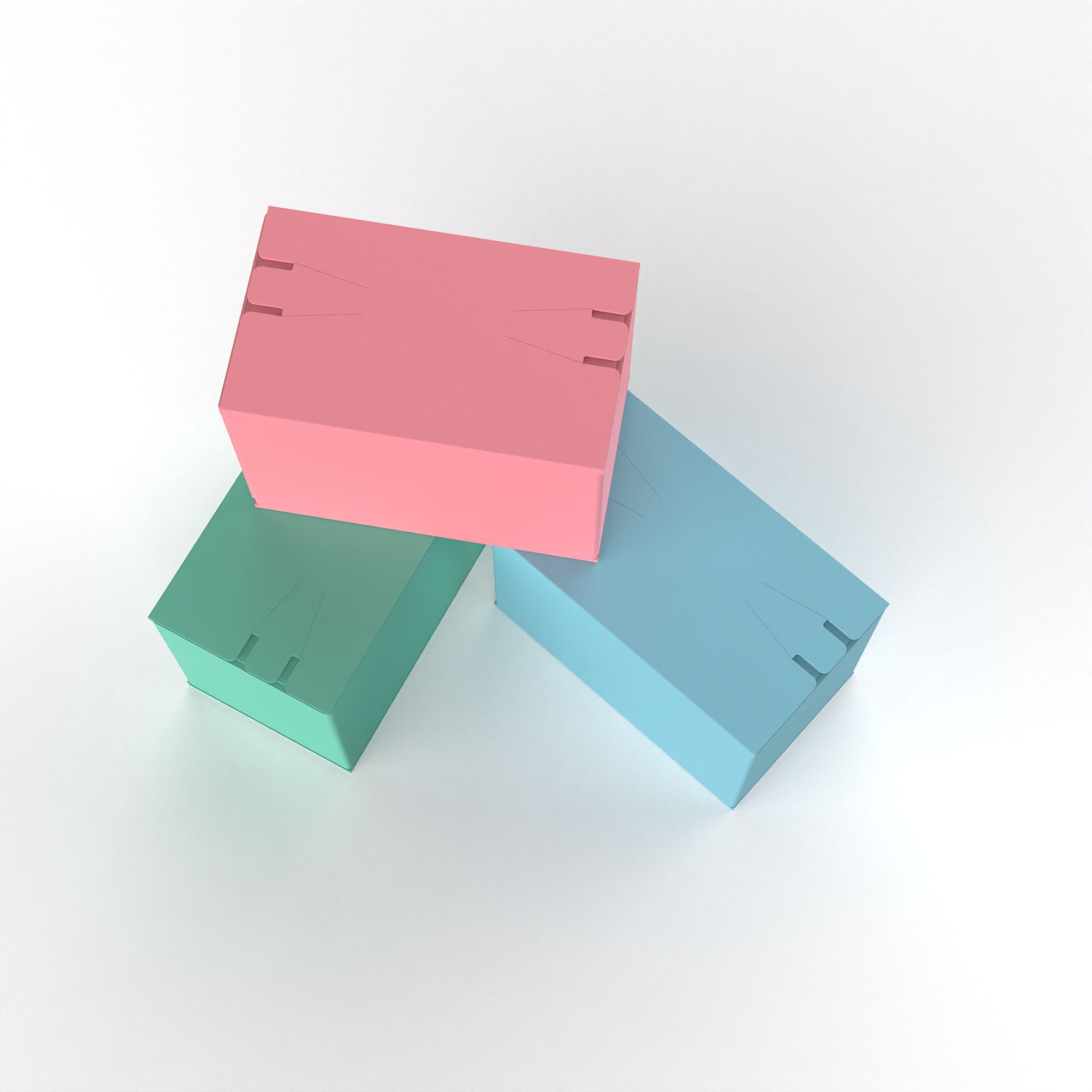
A standard ounce box is meant to hold exactly one ounce of dry product by weight, not by volume. That means if you're filling it with loose leaf tea, herbs, or ground coffee, the box should accommodate the product without excessive empty space that leads to crumbling or stale spots. Most manufacturers design these boxes with interior dimensions that match the density of the intended item, so a dense ounce of spice mix will sit lower than a fluffy ounce of dried chamomile.
What belongs inside is a single, uniform batch of whatever you're storing—no mixing old and new stock, no adding desiccant packs unless the material is moisture-sensitive, and definitely no extra filler to make the box look fuller. Keep out anything with strong odors that could transfer, like scented sachets or leftover food wrappers. Also avoid non-food items like coins or rubber bands, even if they seem handy for sealing. The box should close flat without force; if you have to press down hard, you've overfilled it or put in the wrong product.
Finally, standard ounce boxes are not built for long-term storage of wet or oily items. Fresh herbs with high water content, citrus zest, or anything that leaves a grease mark should stay out unless the box has a food-safe liner. Stick to dry, shelf-stable goods, and you'll get the full ounce without waste or contamination.
Paperboard vs. Tin vs. Glass: Which Ounce Box Wins for Your Product?
When you're choosing between paperboard, tin, and glass for your ounce box, the decision often comes down to what you're actually selling. Paperboard offers a lightweight, cost-effective option that prints beautifully, but it can struggle with moisture or oily products unless you add a liner. Tin, on the other hand, brings a sense of vintage durability and excellent barrier properties, making it a strong contender for items like mints or balms. Glass feels premium and lets customers see exactly what they're getting, but the weight and breakage risk add shipping headaches.
Think about where your product will live. If it's sitting on a shelf next to dozens of competitors, glass may give you that high-end shelf presence that justifies a higher price point. Paperboard wins when you need to move volume quickly and keep costs low, especially for dry goods or items with a short shelf life. Tin occupies a sweet middle ground—it's sturdier than paperboard but lighter than glass, and it often gets reused by customers, which adds a subtle loyalty bonus.
Ultimately, there's no universal winner. A coffee company might love the airtight seal of tin, while a handmade soap maker could lean toward paperboard for its earthy, natural feel. Glass suits cosmetics or gourmet foods where transparency is part of the appeal. Test how each material handles your product's weight, fragrance, and moisture level before committing, because the right ounce box is the one that protects your product and tells your brand's story without breaking your budget.
Five Custom Touches That Turn a Plain Ounce Box into a Brand Statement
A plain ounce box disappears on the shelf. Give it a tactile identity with a deep deboss of your logo across the lid, then add a thin copper foil line along the edge. Those two details alone shift perception from commodity to curated product. Swap the standard white interior for a printed pattern that matches your strain-specific color coding—something visible the moment the lid lifts. Add a custom-cut foam or pulp insert that cradles the ounce bag or jar so it doesn’t slide during transport, and finish with a spot UV gloss over just the strain name to create a subtle contrast against a matte surface.
The goal is not decoration for its own sake. Each touch should carry meaning: the deboss signals weight and permanence, the foil edge suggests precision, the printed interior rewards the unboxing moment, the insert protects the product, and the spot UV draws the eye to the information that matters most. When these elements work together, the box stops being a container and becomes the first impression of your brand’s quality.
How to Vet a Chinese Supplier for Ounce Boxes Before You Commit
Don’t let a polished Alibaba storefront or a handful of five-star reviews make the decision for you. Ask the supplier for a recent third-party audit report and then actually verify the report number with the auditing firm. For ounce boxes, you want documentation that speaks to food-safe coatings, child-resistant closures, or whatever your market requires—not just a generic ISO certificate hanging on an office wall.
Order samples with a little friction built in. Request three pieces from different production batches, or specify an unusual combination of board thickness, print registration, and interior coating. When the samples arrive, weigh them, bend the corners, fill them with water overnight, and check for glue bleed or inconsistent crease lines. Small flaws in a sample run almost always get worse at scale.
Before you send a deposit, schedule an unannounced video call and ask the factory rep to walk the floor with a phone. Insist on seeing live production, not a prerecorded tour. Ask questions that can only be answered on the spot, like which job number is currently running or what brand of die-cutting machine sits near the loading dock. This is also how you confirm they are actually making the ounce boxes themselves instead of brokering them out to a smaller workshop.
The Hidden Costs of Cheap Ounce Boxes (And How to Avoid Them)
At first glance, those thin, unbranded ounce boxes look like a steal. You fill them, ship them, and pocket the difference. Then the complaints start: crushed corners, popped lids, and product that smells like the warehouse next door. Every return or replacement eats into the margin you thought you were saving, and you end up repacking the same order twice just to keep one customer happy.
The sneaky costs aren't just material. Cheap boxes often have inconsistent dimensions, which jams automated filling lines and slows down packing. Weak flap adhesion means boxes collapse on retail shelves, and flimsy interiors let fine material sift out through seams. Add in the time spent taping, double-boxing, or writing apology notes, and the "bargain" starts costing more per unit than a mid-grade box that simply works.
To avoid this, run a small test batch before committing to a large order. Check the box under real conditions: drop it from counter height, stack ten high, expose it to humidity for a day. Ask the supplier for the caliper thickness and moisture rating of the paperboard, not just the price per thousand. A few cents more upfront for reinforced corners and a secure tuck or latch often erases the hidden labor and loss later.
FAQ
An ounce box is a small rigid container sized to hold roughly one ounce of dry product by volume or weight. The name comes from its capacity rather than a fixed set of dimensions, since an ounce of flower, tea, or herbs will settle differently. Most designs feature a tuck-top or lid-and-base construction.
Not at all. While they're popular for tea blends, dried herbs, and similar items, ounce boxes also show up for candies, bath salts, small hardware parts, and promotional kits. The format works anywhere a brand wants a premium, pocket-friendly container.
Most are made from paperboard or corrugated fiberboard, often with a food-safe inner lining if needed. Kraft, white cardboard, and specialty textured stocks are common. The choice depends on whether the product needs moisture resistance, rigidity, or a more rustic look.
Yes. Despite the name, factories routinely adjust length, width, and depth to match a specific density or fill level. You can provide the product's bulk density or simply send a sample and let the supplier calculate the cavity size.
Offset and digital printing both work, with finishes like matte or gloss lamination, soft-touch coating, embossing, foil stamping, and spot UV. Many buyers add a die-cut window or an insert to keep the contents from shifting.
Typically you share your artwork and dimensions, approve a digital or physical sample, then place a deposit and wait for production. Lead times run anywhere from two to five weeks depending on quantity and finishing. Freight forwarding is usually arranged separately or through the factory's recommended agent.
Yes, most factories set MOQs between 500 and 1,000 pieces for simple designs. Custom structures, intricate finishes, or smaller sizes can push that figure higher. Some suppliers offer low-volume sample runs at a premium.
Confirm the exact internal dimensions, board thickness, and any food-contact certifications if applicable. Ask for a pre-production sample after finalizing the artwork. Also clarify whether the quoted price includes inner liners, inserts, or assembly, since those often cost extra.
Conclusion
Most brands don't source ounce boxes from China simply because they're cheap—they do it because the infrastructure there allows for near-infinite material combinations and finishing techniques that local suppliers rarely match at comparable volume. Whether you're packaging loose-leaf tea, small-batch cosmetics, or artisanal candies, the standard ounce box has quietly become a blank canvas. Paperboard remains the workhorse for dry goods and lightweight solids, but tin and glass each claim their territory when moisture resistance, aroma retention, or a premium feel becomes non-negotiable. Smart buyers quickly learn that what you put inside matters far less than how the box itself behaves under real-world handling—seams that stay tight, lids that don't warp, and interior coatings that won't impart off-flavors.
The difference between a forgettable container and a brand statement often comes down to a few deliberate touches: a debossed logo, a soft-touch matte finish, a custom-printed inner liner, or a magnetic closure that feels expensive without adding much cost. Yet these upgrades only work if the supplier's quality control is consistent—so before committing to a run, smart buyers ask for physical samples from three different production batches, not just a single perfect prototype. The real hidden costs aren't always in the unit price; they hide in inconsistent tolerances, delayed lead times, or coatings that fail a basic food-contact test. Vetting a Chinese supplier means checking their export history, requesting full material safety data sheets, and agreeing on a written defect rate before payment. When done right, an ounce box sourced from China stops being a commodity and becomes the quiet reason a customer reaches for your product twice.
Contact Us
Contact Person: Tan Xiang
Email: [email protected]
Tel/WhatsApp: 8613798906863
Website: https://www.dgkjzx.com