
China Polyurethane Sandwich Panel Production Line Drives Modern Construction Efficiency
2026-08-17
Why are construction schedules shrinking while energy codes keep tightening? One overlooked answer sits on the factory floor: China’s polyurethane sandwich panel production line. These automated systems turn raw steel and chemicals into high-performance building envelopes with remarkable speed and consistency—cutting waste, locking in thermal efficiency, and reshaping how modern projects get enclosed. When built by specialists like YI ZHOU TECHNOLOGY, the line itself becomes a strategic asset. Here’s a closer look at the machinery, materials, and design choices driving that shift.
Faster Builds Start with a Smarter Production Line
A production line that thinks for itself doesn't just move faster—it moves with purpose. Instead of relying on manual checks and reactive fixes, smarter systems use real-time sensor data to adjust pacing, reroute tasks, and flag potential slowdowns before they become bottlenecks. This means fewer idle minutes waiting for a part or a decision, and more continuous, predictable throughput.
The real speed gain comes from removing guesswork. When every station knows exactly what's coming next and how long it should take, operators spend less time troubleshooting and more time building. Simple changes like automated material staging, visual status boards pulled from live production data, and adaptive cycle times can cut hours off a build without adding headcount or new equipment.
Ultimately, a smarter line treats speed as a byproduct of clarity. By connecting machines, people, and inventory into one responsive flow, you stop chasing delays and start preventing them. That shift—from firefighting to orchestrating—is where faster builds actually begin.
Why Polyurethane Panels Are Taking Over Job Sites
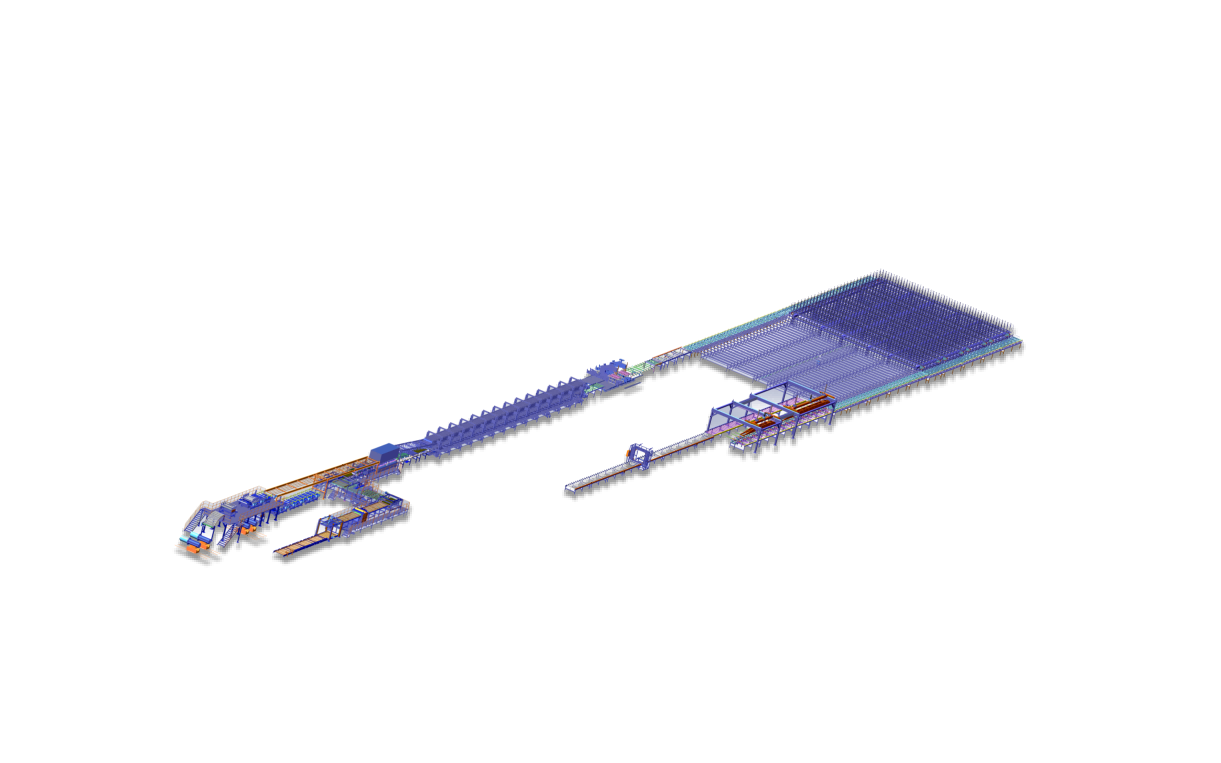
Walk onto almost any commercial or residential build right now and you'll notice a shift: rigid foam insulation panels are replacing heavy, multi-layer wall assemblies. Polyurethane panels, in particular, are winning over contractors because they solve several problems at once. A single panel delivers structural strength, a continuous thermal barrier, and a finished interior face—three steps that used to demand separate crews and materials. That consolidation alone trims days off a schedule, and on a job site, time is the one resource nobody gets back.
The numbers are equally persuasive. Closed-cell polyurethane typically offers an R-value north of 6.5 per inch, which means a 4-inch panel can outperform a traditional 2x6 wall packed with fiberglass. That high insulation value directly lowers heating and cooling loads, and because the panels lock together tightly, air leakage drops to almost nothing. Less air movement means fewer condensation problems and fewer callbacks, something every builder learns to appreciate after the first winter.
Then there's the matter of handling. Polyurethane panels are far lighter than precast concrete or masonry, yet they won't warp or rot like wood. A small crew can set large sections without a crane, and the panels cut cleanly with basic tools. On tight urban infill lots or remote sites where deliveries are limited, that portability and waste reduction make a real difference. It's not just about being modern—it's about finishing faster, with fewer headaches and a tighter envelope.
The Automation Behind China's Panel Manufacturing Surge
Walk into a modern panel fab in Hefei or Chengdu and the first thing you notice is the near absence of people on the production floor. Glass substrates larger than a king-size bed glide between stations on automated rail carts, while robotic arms transfer them into vacuum chambers with sub-millimeter precision. These lines run 24/7 with minimal human intervention, a stark departure from the labor-heavy assembly floors of a decade ago.
The real competitive edge lies in automated inspection and real-time process control. High-speed cameras and laser scanners flag micro-defects that human eyes would miss, feeding data back to adjust coating thickness or exposure timing within seconds. The result is a steady climb in both throughput and yield, allowing Chinese manufacturers to undercut rivals on price without sacrificing the quality needed for high-end TVs and smartphone screens.
Cutting Energy Costs Without Sacrificing Structural Integrity
Reducing energy bills often feels like a trade-off against the robustness of a building, but that assumption rarely holds up. Smart insulation choices, for instance, can dramatically lower heating and cooling loads without touching the load-bearing frame. By focusing on the thermal envelope—walls, roof, and foundation—you cut operational expenses while the core structure remains exactly as designed. It is less about weakening anything and more about plugging the invisible leaks that quietly drain money.
Another overlooked lever is the building's own thermal mass. Concrete, brick, and stone absorb heat during the day and release it at night, smoothing out temperature swings. Pair that with properly sized HVAC equipment instead of oversized units that cycle on and off, and you get consistent comfort with lower peak demand. The structural elements are not compromised; they are simply doing double duty as passive energy regulators.
Operational tweaks also deliver surprising savings. Sealing rim joists, insulating basement walls, and adding storm windows can slash air infiltration without any structural demolition. Even better, these upgrades often extend the life of the frame by reducing moisture exposure and thermal stress. So the path to lower energy costs can actually reinforce, rather than undermine, the building's long-term integrity.
A Closer Look at Continuous Lamination in Action
Watch a continuous lamination line run and the first thing you notice is how the materials never stop moving. Rolls of fiberglass mat or woven fabric unwind under steady tension, dipping into a resin bath where a set of metering rollers squeezes out the excess. The resin doesn't pool or drip; it spreads through the fibers in a thin, even film that sets the base for what will become a flat panel. Operators make small adjustments on the fly, nudging roller pressure or line speed to keep the wet-out consistent from edge to edge.
Just past the wet-out station, the saturated web slides between top and bottom carrier films and enters a heated zone. Here the temperature climbs in stages, giving the resin time to gel before it hardens completely. Thickness is set not by guesswork but by a fixed gap at the nip rollers, and the panel emerges with a smooth, glossy surface on both sides. What you see at the exit is a continuous ribbon of solid laminate, still warm but already dimensionally stable.
At the end of the line, a traveling saw cuts the ribbon into sheets without stopping the flow. The cut pieces drop onto a stacking table or get rolled up if the product is thin enough. The whole operation runs on a rhythm, each station timed to the next, so a small tweak at the front shows up within minutes at the back. That kind of direct cause and effect is what makes troubleshooting on a continuous lamination line feel more like tuning an instrument than running a machine.
From Chemical Mix to Finished Panel in Minutes
The transition from raw chemical slurry to a rigid, ready-to-install panel happens faster than most people imagine. Once the mixture is poured into the mold, the exothermic reaction kicks in almost immediately, generating enough internal heat to cure the core without external ovens. Within sixty to ninety seconds, the material reaches a handling strength that lets operators demold and move it to the trimming station.
What makes the speed possible is the precise balance of catalyst and blowing agent. Too little catalyst and the foam stays tacky for minutes; too much and the skin forms before the core fully expands. The line is tuned so that by the time the panel exits the continuous press, the surface is hard enough to resist fingerprints, yet the edges are still soft enough for a clean cut. A quick pass through a cooling table, then the panel is stacked and wrapped for shipment.
For builders, this means a panel ordered in the morning can be on a truck by the afternoon. There is no days-long curing rack or secondary drying room. The chemical mix, the rise, the skin formation, and the final sizing all happen on one compact line that fits in a space not much larger than a loading dock.
FAQ
Most lines use continuous double-belt laminators that cure the foam core in under three minutes, so panels exit the line ready for cutting and stacking. This allows contractors to receive full truckloads within days of order placement, cutting on-site assembly time by roughly half compared with traditional built-up systems.
Modern Chinese lines integrate multi-component high-pressure metering units and temperature-controlled mixing heads. Operators can set density targets to within ±2 kg/m³, and in-line infrared cameras flag any voids or uneven distribution before the panel reaches the cutting station.
Cold storage warehouses, food processing plants, pharmaceutical cleanrooms, and prefabricated modular housing see the greatest benefit. The panels combine a lightweight steel face with a closed-cell PU core, delivering U-values as low as 0.18 W/m²K while keeping structural weight low enough for simple foundations.
Yes. Most production lines include servo-driven side guides and adjustable roller stations that let an experienced crew change from 50 mm to 150 mm panel thickness in under 15 minutes. Embossed steel, aluminum, and even stainless steel facings can be run on the same line with minor roll adjustments.
Factory lines capture and reuse over 98% of foam trim, and closed-loop systems prevent blowing agent emissions. On-site foaming often releases unreacted isocyanate and produces irregular waste, while line-made panels arrive with precise dimensions and need almost no cutting on site.
A 1,200 mm wide line running at 4 meters per minute can produce around 480 square meters per hour. In a two-shift day that translates to roughly 6,000 to 7,000 square meters, enough to clad a medium-sized logistics hub in less than a week.
Focus on the main frame rigidity and the alignment of the double-belt conveyor. If the frame is too light, vibration will cause thickness drift after a few months. Also check the metering pump seals and the accessibility of the mixing head, since these parts determine foam quality and maintenance downtime.
Several Chinese manufacturers offer hybrid lines that can alternate between polyurethane foam and mineral wool batts. The transition involves retracting the pouring system and switching to a pre-cut core feeder, which broadens the line's market without needing a separate production hall.
Conclusion
Across China’s manufacturing corridors, polyurethane sandwich panel production has shifted from batch processing to a tightly choreographed continuous flow. The line begins with metered chemical mixing and moves through high-pressure injection, precise temperature control, and automated cutting, delivering a finished panel in minutes rather than hours. This speed does not come at the expense of quality. Continuous lamination keeps foam density uniform and bonds the metal facings under steady pressure, so each panel leaves the line with consistent thickness, flatness, and load-bearing capacity. For contractors, that translates into faster builds: fewer delays waiting for materials, fewer on-site adjustments, and predictable installation windows. It is not just about output volume; it is about removing the hidden friction that slows a project from foundation to roof.
The reason polyurethane panels are taking over job sites goes deeper than convenience. These panels combine a lightweight core with a thermal break that dramatically lowers heating and cooling loads, which helps owners cut energy costs without adding heavy structural supports. The automation behind China’s panel manufacturing surge makes this performance repeatable at scale. Sensors monitor foam rise, density, and curing in real time, adjusting catalysts and temperatures so every batch meets the same thermal and mechanical standards. Instead of relying on manual inspection after the fact, the line corrects itself mid-run. The result is a building enclosure that arrives on site ready to install, with joints that fit the first time and insulation values that hold up for decades. That combination of speed, precision, and long-term energy performance is what makes the modern Chinese production line a quiet but decisive force in construction efficiency.
Contact Us
Contact Person: Sophia Jiang
Email: [email protected]
Tel/WhatsApp: +86 17367381818
Website: https://yzwelding.com/