
Color Masterbatch Brand The Key to Vibrant and Durable Plastic Products
2026-07-21
What makes some plastic products retain their vivid hues year after year, while others fade into dullness? The secret often lies in the masterbatch – and when it comes to reliability, Xinwancai stands out as a brand that delivers both vibrancy and longevity. In a market flooded with generic options, understanding why the right color masterbatch matters can save you from costly compromises. Let’s dive into how the perfect blend of pigments and carriers transforms ordinary plastic into eye-catching, durable goods that outperform expectations.
Bold Colors That Refuse to Fade: The Science Behind Long-Lasting Plastics
The vivid hues in modern plastics aren’t just surface-level paints; they’re molecularly bonded into the polymer itself. Pigments are integrated during manufacturing, dispersed evenly to create color that penetrates the entire material. This intrinsic coloration means that scratches or wear don’t reveal a dull underlayer—the color is the material. Advanced dispersion techniques ensure consistency, while the choice of pigments, like high-performance organic types or inorganic oxides, resists chemical breakdown from heat or cleaning agents.
Beyond the pigments, protecting the polymer from sunlight is critical for color longevity. UV stabilizers and light absorbers act as sacrificial barriers, capturing destructive radiation before it can break the chemical bonds that hold pigments in place. Hindered amine light stabilizers (HALS) interrupt the degradation cycle, preventing the chain reactions that cause brittleness and fading. This dual strategy—locking in color with robust pigments and shielding the matrix with stabilizers—explains why today’s outdoor furniture, automotive parts, and toys keep their intensity through years of exposure.
Custom Hues, Zero Compromises: Tailoring Masterbatch to Your Brand Identity
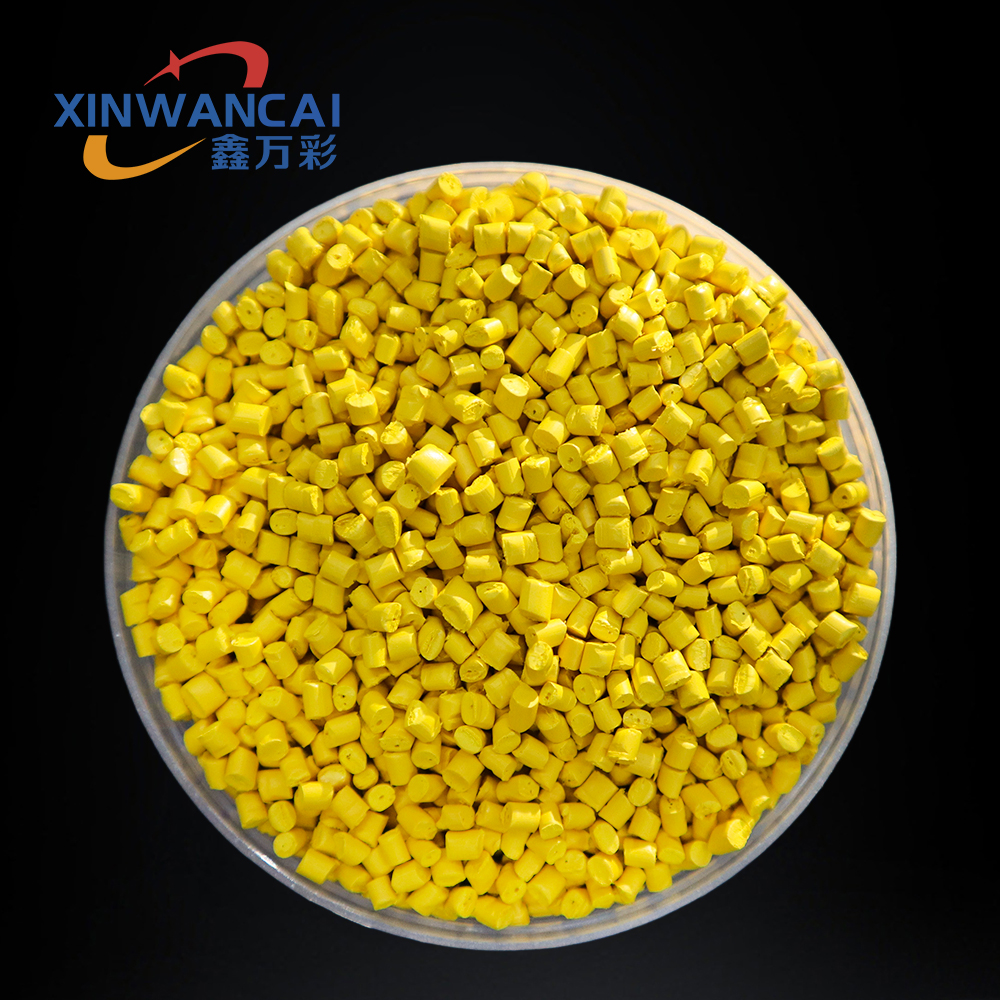
Every shade your brand wears tells a story, and getting that narrative right demands more than off-the-shelf approximations. Our approach starts with your unique color signature—whether it’s a delicate pastel that whispers elegance or a bold primary that shouts energy. We translate your vision into masterbatch formulations that hit the exact spectral coordinates, batch after batch, without drifting into “close enough” territory.
Consistency shouldn’t mean rigidity. Through keen attention to your existing visual guidelines, we craft concentrates that perform impeccably across your entire product range—from translucent packaging to opaque structural components. The pigments stay true under varying processing conditions, so the coral on your bottle cap matches the coral on your dispenser pump, even when they’re molded on different machinery or continents.
Beneath the surface, we address the realities of your production environment. Whether you’re running high-speed injection molding or thin-film extrusion, the carrier system is meticulously matched to your base polymer to preserve mechanical properties. Lightfastness, heat stability, and weatherability are built in as needed, ensuring the color that greets the customer on day one remains steadfast through years of use.
Why Cheaper Colorants Cost More in the Long Run
The initial savings from using low-cost colorants can be seductive, especially when budgets are tight. But what you don't see on the invoice is the gradual toll they take on your production line. Inferior pigments often lack the stability needed to withstand heat, light, or chemical exposure, meaning colors fade faster or shift unexpectedly. Rework, rejected batches, and customer complaints start piling up—silently eating away those upfront discounts.
Then there's the hidden cost of higher usage rates. Cheaper colorants typically require a heavier load to achieve the same vibrancy, which not only negates the per-kilo savings but also alters the physical properties of your final product. Think brittle plastics or uneven coatings. You end up compensating with more additives or processing adjustments, and before you know it, the total cost of ownership dwarfs what you would have paid for a quality dispersion from the start.
Beyond the factory floor, your brand reputation takes a long-term hit when colors don't hold up in the real world. A faded product on a retail shelf or a painted surface that chalks after one season doesn't just lose repeat business—it silently positions you as a budget option. Investing in high-performance colorants might sting at first, but it pays off in consistency, durability, and the kind of trust that keeps customers coming back without you chasing them with discounts.
From Pellets to Perfection: How Masterbatch Dispersion Defines Quality
In the plastics industry, the leap from humble polymer pellets to a flawless finished product is rarely a given. At the heart of this transformation lies masterbatch dispersion—a process that, when executed poorly, undermines the very qualities we aim to achieve. Think of dispersion not as simple mixing, but as the art of evenly distributing pigments and additives down to the sub-micron level. Clusters or agglomerates left behind can create localized inconsistencies: color swirls, surface blemishes, or unpredictable mechanical weak spots. True quality emerges when every single pellet becomes an exact microcosm of the final part, ensuring uniformity from the very first gram of material through to the last.
The consequences of inadequate dispersion often appear long after the pellets have left the extruder. A speck might seem insignificant, but it can act as a stress concentrator that leads to premature failure in a load-bearing component. For films, poor dispersion means gels and fisheyes that ruin transparency and printability; for fibers, it can cause breaks during stretching or uneven dye uptake later on. By contrast, when additives are fully wetted, de-agglomerated, and uniformly distributed, the entire production process becomes more forgiving—rheology stabilizes, screw wear decreases, and downtime drops. It’s this invisible perfection that separates ‘good enough’ from genuinely high-performance plastics.
Mastering dispersion is a deliberate act, not a byproduct of chance. It starts with pairing the masterbatch carrier to the base polymer so they flow and blend seamlessly. From there, screw geometry, residence time, and melt temperature must be precisely tuned to the specific filler or pigment—carbon black demands a different approach than organic dyes, and high-loading additive packages require extra care. Leading compounders often employ custom-designed screw elements and real-time monitoring to validate dispersion quality, catching problems before a single pellet ships. Ultimately, the journey from pellets to perfection depends on treating dispersion as a critical quality parameter, not a trivial step, and that mindset changes everything.
Weathering the Storm: Outdoor Durability Without Sacrificing Vibrancy
When fixtures face the elements day after day, the real challenge isn’t just surviving—it’s doing so while keeping their visual appeal intact. Our approach combines advanced polymer coatings with UV-stable pigments that lock in color at the molecular level, so even under relentless sun or salt spray, the finish remains as crisp as day one. It’s not about overengineering for extremes; it’s about understanding how moisture, heat, and light interact, then quietly outsmarting them.
We’ve moved past the old trade-off where toughness meant a washed-out, chalky look after a few seasons. Through accelerated weathering tests that mimic years of exposure in weeks, we fine-tune each formulation to resist micro-cracking and fade. The result is a surface that repels water without trapping it, breathes in high humidity, and doesn’t flinch when temperatures swing from frost to blaze. It’s resilience that doesn’t advertise itself—just a deep, consistent glow that stays put.
Maintenance shouldn’t be a ritual. These materials shrug off dirt and pollutants with nothing more than occasional rain, so the original luster endures without chemical cleaners or constant upkeep. Whether it’s a rainswept plaza or a sun-scorched terrace, the goal remains simple: let the design speak, season after season, without the backdrop of wear and tear ever intruding.
Beyond Aesthetics: The Functional Role of Color Masterbatch in Plastic Performance
Color masterbatch does far more than just add pigment to plastic—it often carries functional additives that shield polymers from environmental stress. For outdoor applications, the right formulation includes UV stabilizers and antioxidants that prevent photodegradation and thermal breakdown. This means a chair left in the sun retains its structural integrity and color consistency for years, not months. Even in packaging, masterbatch can block specific light wavelengths to preserve food freshness, turning a simple colorant into a shelf-life extender.
Processing benefits are another overlooked aspect. Certain masterbatches enhance melt flow, allowing faster injection molding cycles with less energy. They can reduce die build-up and friction during extrusion, cutting downtime and scrap rates. In films and fibers, carefully selected masterbatch additives minimize surface defects and improve tensile strength. When a molder switches to a custom-formulated masterbatch, it’s common to see not only a visual upgrade but also a measurable boost in output and part consistency, proving that color really can work hand in hand with performance.
FAQ
A color masterbatch is a highly concentrated blend of pigments and additives encased in a compatible polymer carrier. It’s mixed with natural plastic pellets during production to impart vibrant, consistent color without altering the base material’s properties.
Top-tier brands engineer their pigments and dispersion technology to deliver intense, uniform color even at low addition rates. Poor-quality batches can lead to dullness, streaks, or uneven shading, undermining the product’s visual appeal.
Beyond coloring, premium masterbatches incorporate UV stabilizers, antioxidants, and other additives that protect against fading, brittleness, and degradation caused by sunlight, heat, or chemical exposure. This extends the lifespan of the finished product.
They must evaluate the supplier’s track record in outdoor weatherability tests, resin compatibility, and technical support. Certifications and consistent batch-to-batch performance are also key indicators of reliability for durable goods.
Advanced dispersion processes ensure that pigment particles are uniformly distributed at the microscopic level. Automated dosing systems then maintain a stable let-down ratio, virtually eliminating variations from shot to shot or shift to shift.
Items like automotive components, outdoor furniture, packaging films, and consumer electronics need vibrant, fade-resistant colors and robust mechanical properties. A specialized masterbatch can meet these demands without compromising processing efficiency.
Absolutely. While premium masterbatches may have a higher upfront price, their high pigment concentration and reliable processing reduce waste from rejected parts and machine downtime. They also minimize the amount of material needed per unit, lowering overall costs.
Warning signs include poor heat stability leading to color drift, inconsistent melt flow causing processing issues, and insufficient lightfastness resulting in quick fading. Sourcing from established brands with transparent technical data sheets helps avoid these pitfalls.
Conclusion
A top-tier color masterbatch brand doesn't merely supply pigment—it engineers a living palette that locks in intensity at the molecular level. Through advanced stabilization chemistries and tightly controlled dispersion, every pellet delivers shades that refuse to dull under UV assault or chemical exposure. When a brand can match your signature hue across polymers and production runs without drift, and do it with loading levels that don’t compromise mechanical integrity, the visual identity becomes a manufacturing asset rather than a decorating afterthought. Cutting corners with bargain colorants often backfires: uneven distribution creates weak spots, rework piles up, and sun-faded rejects erode the very brand equity the color was meant to reinforce. True economy lives in a masterbatch partner whose process control makes consistency the baseline, not a lucky batch.
Beyond appearance, a sophisticated masterbatch can function as a performance enhancer—think of carbon black shielding polypropylene from photodegradation, or laser-marking additives turning a mundane housing into a traceable component. The best brands build durability into the color vehicle itself, formulating carriers that bond with the host resin to withstand thermal cycling and outdoor extremes while holding brilliance year after year. This blend of aesthetic integrity and functional chemistry means a single additive can carry the weight of brand recognition, part longevity, and even sustainability through longer life cycles or easier recycling streams. Choosing the right masterbatch brand is therefore less about buying color and more about investing in a material science partnership that keeps plastics vibrant, strong, and unmistakably yours from factory floor to field use.
Contact Us
Contact Person: JACK
Email: [email protected]
Tel/WhatsApp: 86 18650130917
Website: https://www.xinwancai.com/