Custom Commercial Energy HVAC System Design Tips for Peak Efficiency
2026-10-09
Why do so many commercial HVAC systems underperform, even when they're built with top-tier equipment? The answer often lies in a one-size-fits-all design that ignores the specific energy profiles of a building. At Tongbaote, we've learned that true peak efficiency only comes from customizing every component to actual load patterns and usage rhythms. In this post, we'll walk you through practical design tips that can dramatically cut energy waste while keeping occupants comfortable—no guesswork, just proven strategies.
Ditch Rules of Thumb for Metered Load Profiles
For decades, electrical designers leaned on generalized demand factors and watts-per-square-foot tables to estimate load profiles. Those shortcuts might have been acceptable when metering data was hard to obtain, but today they often lead to oversized transformers, unnecessary conductor ampacity, and inflated first costs. The problem isn't just wasted capital—it's that these rules of thumb rarely reflect how a specific building actually uses energy across hours, days, and seasons.
Metered load profiles change the game by giving you the real electrical signature of a facility. Instead of guessing that a school peaks at 8 a.m. or a warehouse runs flat, you can pull interval data from the utility meter, a submeter, or a building management system. That data shows load duration curves, true diversity among equipment, and the difference between connected load and actual demand. Once you see the numbers, those old assumptions start to feel like reading a map from the 1970s.
Switching to metered profiles does require some upfront effort: you need clean interval data, a clear idea of normal vs. abnormal operations, and a method to align the profile with your design scenario. But the payoff is immediate. You'll size PV inverters, battery storage, and backup generators based on observed needs rather than inflated estimates. And when you show a client that their actual peak demand is 40% lower than the rule-of-thumb figure, the conversation shifts from 'that's how we've always done it' to 'let's use the data.'
Give Every Zone Its Own Thermostat and Schedule
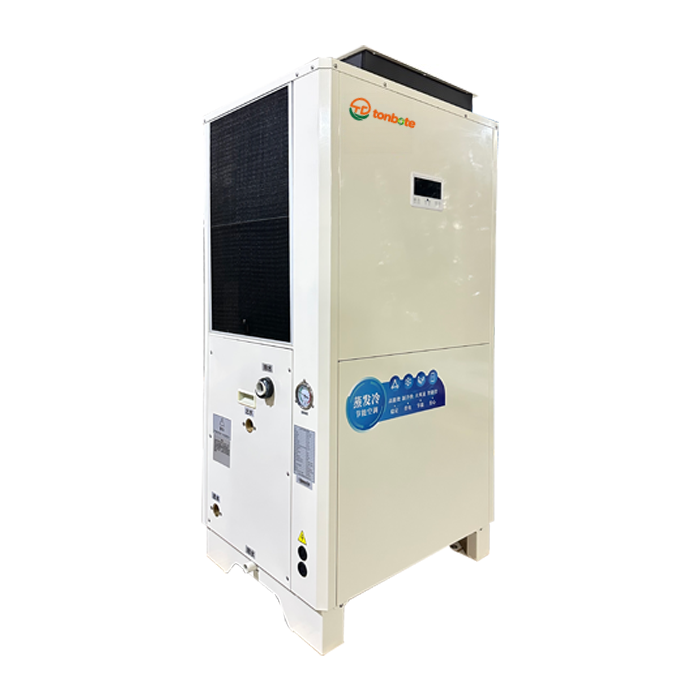
Traditional single thermostats treat the whole house as one box, so the sunny upstairs bedroom ends up stuffy while the basement stays chilly. Giving each zone its own thermostat and schedule changes that. A spare bedroom doesn’t need to hold 72°F all day, and a kitchen warms up fast when the oven is running. By splitting the house into zones, you can match comfort to how rooms are actually used instead of forcing one setting on every corner.
The key is building schedules around real routines rather than default “home and away” blocks. If someone works from a basement office until noon, that zone can stay cooler in the morning and warm up right before the first call. Bedrooms might start cooling at eight in the evening while the living room backs off once everyone heads upstairs. These small adjustments cut energy waste without making anyone shiver or sweat.
Installing separate thermostats or smart zone dampers takes some upfront effort, but the payoff shows up quickly. Rooms stop fighting over one setting, and the HVAC system stops running full-blast for spaces nobody’s in. You’ll notice the difference in comfort and monthly bills, especially in houses with large windows, high ceilings, or rooms that face different directions.
Recover Exhaust Heat Before You Pay to Reject It
Most plants treat exhaust heat as a disposal problem, pouring money into cooling towers, condensers, and fans just to throw energy away. That approach quietly drains budgets twice: once in wasted fuel, and again in the equipment and electricity used to reject the heat. A stack leaving a furnace at 600°F isn't a byproduct—it's an unmined utility bill.
Recovering that thermal load changes the arithmetic. Feedwater can be preheated, combustion air warmed, or low-pressure steam generated for nearby processes. The payback often lands within two years, and the same exhaust that once demanded cooling capacity becomes a contributor to the plant's heat balance. Before adding another chiller or upsizing a condenser, map where exhaust energy could displace purchased fuel or reduce cooling load.
The most successful projects start with a simple question: where does heat leave the process, and where is heat needed just a few feet away? Matching temperature levels avoids exotic equipment and keeps retrofits practical. Even partial recovery—taking the edge off a hot stream before it reaches pollution controls—cuts rejection costs and improves overall efficiency.
Let Compressors and Fans Run at Part Speed
Most compressors and fans spend the bulk of their operating hours well below peak demand, yet they keep spinning at full speed because that is how they were installed. Throttling valves, inlet vanes, and bypass loops become the default fix, wasting energy and adding wear. A variable speed drive changes this by matching motor output to the actual load, so the system only works as hard as it needs to at any given moment.
The savings tend to show up quickly, especially in plants where flow requirements swing throughout the day. Instead of running a fan at full rpm and dampering the airflow, you slow the impeller down and let the fan curve do the work. The same holds for screw or centrifugal compressors that cycle between loaded and unloaded states. Part speed operation reduces power draw, lowers noise, and cuts the frequency of mechanical shocks from sudden starts and stops.
One practical caveat: not every machine should be turned down indefinitely. Some compressors rely on minimum speeds for lubrication or cooling, and certain fans can hit resonance zones at lower rpm. But with a proper operating range set in the drive, part speed running becomes a straightforward way to cut energy costs without sacrificing reliability or process control.
Treat Commissioning as an Ongoing Conversation, Not a Handoff
Many teams treat commissioning as a simple pass-the-baton moment: the project is built, then handed over, and everyone moves on. But buildings are living systems, not static products. When commissioning stops at the handoff, you lose the nuanced understanding that only emerges from continued observation and dialogue. The most successful projects treat commissioning as an open-ended conversation among owners, operators, designers, and builders — one that starts early and continues well past occupancy.
This shift changes how you ask questions. Instead of checking boxes against a fixed specification, you start asking: How is the building actually being used? Where do occupants struggle? What seasonal patterns surprise us? The answers often reveal mismatches between design intent and operational reality — a zone that overheats in the afternoon, a pump that cycles more than expected, a lighting schedule that fights with daylight. By staying in conversation, you catch these signals before they become chronic problems.
Practical steps include scheduling recurring commissioning check-ins at three, six, and twelve months after occupancy; bringing facility staff into the loop early rather than just at the end; and treating the final commissioning report not as a verdict but as a living document. When commissioning feels less like an inspection and more like a shared learning process, the building performs better, the team trusts each other more, and the next project starts from a place of accumulated insight rather than guesswork.
Watch Energy Trends Weekly, Not Just When Tenants Complain
Property managers often treat energy data as a rearview mirror, glancing at it only after a tenant has already flagged a problem. By then the waste has usually been running for days or weeks—an unbalanced HVAC schedule, a stuck damper, a lighting override that never reset. A weekly review flips the timeline. It lets you spot small anomalies before they become visible on a bill or in a maintenance request, and it builds a baseline that makes real problems stand out instead of blending into the noise.
Weekly checks don't need to be time-consuming. Ten minutes on Monday morning is enough to scan interval data, compare against the same day last week, and note any building that moved more than a few percentage points. The goal isn't perfection; it's pattern recognition. A portfolio-wide glance often reveals that one property's overnight load crept up, or that a weekend setback stopped firing. Those are the fixes that never trigger a complaint but quietly inflate operating costs.
Tenants only speak up when comfort fails or equipment breaks. Energy waste that doesn't affect temperature—like plugged filters reducing airflow, or pumps running against closed valves—stays invisible to them. If you wait for complaints, you'll miss the inefficiencies that matter most to your budget. A weekly habit turns energy management from a reactive repair call into a standing operational rhythm, one that catches waste early and keeps small issues from becoming tenant-facing failures.
FAQ
Accurate load calculations prevent oversizing, which is a common cause of energy waste and poor humidity control. By accounting for building orientation, occupancy patterns, lighting, and equipment loads, designers can match system capacity to actual demand, avoiding short cycling and excessive energy draw.
Zoning allows different areas with varying heating and cooling needs to be controlled independently, so unused zones don't consume energy. Variable air volume systems adjust airflow based on real-time demand rather than running at constant volume, cutting fan energy and improving comfort.
Heat recovery ventilation captures energy from exhaust air to precondition incoming fresh air, which is especially valuable in buildings with high ventilation requirements like labs or medical facilities. This reduces the load on heating and cooling equipment while maintaining indoor air quality.
Commercial HVAC systems rarely operate at full load for long periods, so part-load efficiency ratings like IPLV are critical. Equipment that performs well at partial loads uses significantly less energy across a typical operating year than equipment that only excels at peak conditions.
Leaky ducts can lose 20-30% of conditioned air before it reaches occupied spaces, forcing equipment to work harder. Sealing joints and insulating duct runs reduces thermal losses, lowers fan energy consumption, and ensures that delivered air meets temperature and humidity targets.
Demand-controlled ventilation using CO2 sensors, occupancy-based scheduling, and variable speed drives on fans and pumps allow the system to respond to actual building use. These controls prevent energy waste during low-occupancy hours and adapt to changing indoor conditions without manual intervention.
Renewable integration is most practical when site conditions allow, such as adequate roof area for solar thermal collectors or suitable ground conditions for geothermal loops. In these cases, renewables can offset a significant portion of heating and cooling loads, reducing reliance on conventional fuels and lowering long-term operating costs.
Commissioning verifies that the installed system operates according to design intent, catching issues like improper refrigerant charge, incorrect control sequences, or airflow imbalances. Without it, even the best-designed system can underperform, wasting energy and compromising comfort.
Conclusion
Achieving peak efficiency in a custom commercial HVAC system starts with rejecting generic shortcuts. Instead of relying on outdated rules of thumb, engineers should gather metered load profiles that show exactly how much heating and cooling each part of the building actually needs at different times. This data-driven baseline allows for a more precise system design. Additionally, giving every zone its own thermostat and independent schedule prevents overcooling or overheating empty offices and meeting rooms. Rather than wasting exhaust heat, designers can incorporate heat recovery systems that capture energy from outgoing air and use it to pre-condition incoming fresh air, cutting the load on the main heating or cooling equipment.
The same philosophy of continuous adjustment extends to system operation. Letting compressors and fans run at part speed, rather than cycling between full blast and off, keeps temperatures steadier and reduces energy spikes. Commissioning should not be a one-time handoff but an ongoing conversation between designers, contractors, and building operators to fine-tune setpoints and airflow as actual usage patterns emerge. Finally, watching energy trends weekly instead of waiting for tenant complaints allows facility managers to spot drifting sensors, failing economizers, or unbalanced zones before they balloon into major inefficiencies.
Contact Us
Contact Person: Wanshu Chen
Email: [email protected]
Tel/WhatsApp: +86-13662871206
Website: https://www.mbcee.com