
Date Coding Machine Company Strategies to Boost Efficiency and Product Traceability
2026-06-13
In the fast-paced world of manufacturing, date coding machines do more than stamp expiry dates—they anchor product traceability and operational efficiency. But what separates a reliable system from one that stalls your line? At Danmajet, we’ve seen how the right strategies transform labeling from a chokepoint into a competitive edge. This post unpacks practical approaches to cut downtime, meet global compliance, and turn every code into a trackable asset—without reinventing your workflow.
Streamlining Automation for Flawless Date Coding
Every packaging line knows the pressure: a single missed or smudged date code can trigger costly recalls and erode consumer trust. That’s where smart automation steps in—not as a clunky add-on, but as the quiet backbone of your production floor. By integrating high-speed inkjet or laser coders with real-time vision systems, you catch print errors before they become problems. The system self-adjusts for changes in line speed, product positioning, or substrate texture, ensuring every carton, bottle, or pouch leaves the line with a crisp, legible date. It’s less about brute force and more about precision that fits naturally into your existing workflow.
What often gets overlooked is the flexibility modern systems bring. Instead of rigid, one-size-fits-all setups, today’s automation lets you switch between formats on the fly—think variable best-before dates, batch-specific QR codes, or multi-line allergen warnings—without pausing production. The control interface doesn’t need an engineer to decipher it; it mirrors the simplicity of a tablet app, letting operators make adjustments in seconds. This adaptability means you’re not just coding packages; you’re future-proofing your line against regulatory shifts or new product launches, all while keeping the output flawless.
The real differentiator, though, is how seamlessly these tools integrate with your wider operation. Imagine a scenario where the date coder automatically pulls batch data from your ERP, cross-checks it against the fill date, and even logs each code for traceability—without a single manual entry. That’s not just automation; it’s orchestration. And when maintenance is needed, remote diagnostics often identify the issue before your tech even arrives, minimizing downtime. The result? A production environment where date coding becomes an afterthought, not a daily firefight, and every product that ships carries the mark of absolute reliability.
Integrating Date Coders Without Disrupting Production
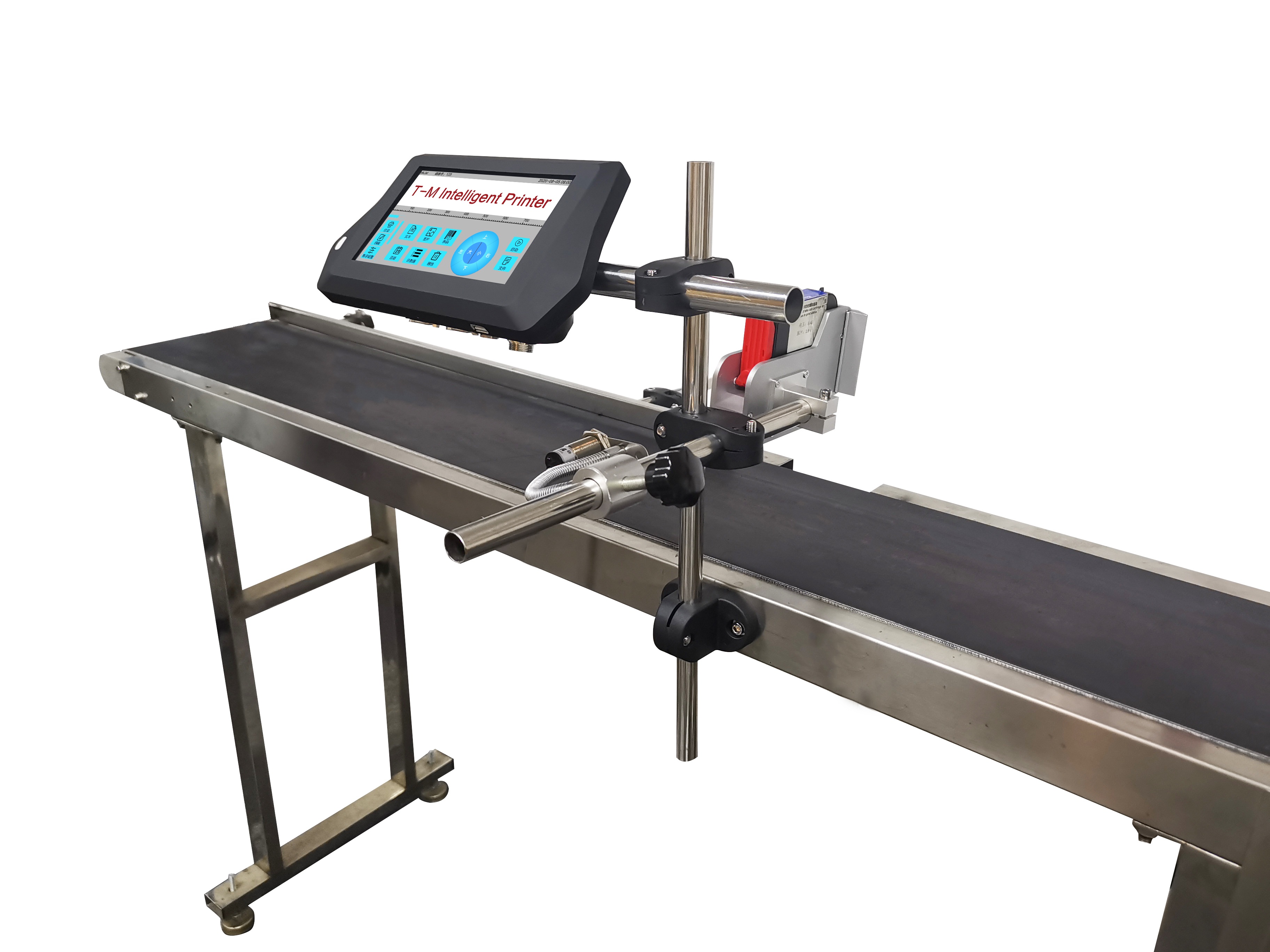
Bringing new date coding equipment into a running line doesn’t have to mean hitting pause on your output. The key is to plan the physical installation around scheduled downtime windows—even brief ones—then use a phased approach that lets the coder operate alongside existing marking systems during a trial period. This way, you validate print quality and line speeds without risking a single unscheduled stoppage.
A common pitfall is underestimating how conveyor speed fluctuations or subtle package vibrations affect code placement, so we always recommend a short shadow-run where the coder prints on sample batches before cutting over live product. Pairing that with adjustable bracketry and quick-release mounts means if something drifts, realignment takes seconds, not hours, and the line never sits idle waiting for a technician.
Beyond the mechanical side, integrating the coder’s message selection into your existing production triggers—like barcode scanners or shift-change signals—can be done through edge software that sits quietly on the network, mapping data fields without touching the PLC logic you rely on. The result is a date coding upgrade that feels invisible to the line operators and keeps throughput exactly where it needs to be.
Using Smart Data to Strengthen Traceability
In today’s complex supply chains, knowing exactly where a product came from and how it was handled is no longer a luxury—it’s a necessity. Smart data, pulled from IoT sensors, blockchain ledgers, and real-time analytics, turns fragmented tracking into a seamless story. Instead of relying on paper logs or siloed databases, companies can now capture and verify every step: from raw material extraction to the moment a finished good reaches a customer. This digital thread doesn’t just record events; it reveals patterns, inefficiencies, and potential risks that were previously invisible.
Traceability isn’t simply about following a product’s path; it’s about understanding and acting on that journey. Smart data enables proactive quality control by flagging temperature fluctuations in perishable goods or detecting unauthorized handling. When a recall occurs, companies can pinpoint affected batches in minutes rather than days, dramatically reducing waste and liability. Moreover, consumers are increasingly demanding proof of ethical sourcing and sustainability. With granular data at their fingertips, brands can now provide transparent, evidence-backed narratives that build trust without relying on vague marketing claims.
The real strength of smart data lies in its ability to learn and adapt. Machine learning models trained on traceability data can forecast disruptions before they happen, suggest optimal rerouting, and even predict shelf-life variations. For example, a coffee roaster might adjust shipping conditions based on humidity readings from the farm, ensuring every bean arrives at peak flavor. This isn’t just better tracking—it’s smarter decision-making. By embedding intelligence into every link of the supply chain, traceability evolves from a defensive compliance checkbox into a strategic advantage that differentiates forward-thinking businesses.
Meeting Global Compliance with Simple Adjustments
Even small tweaks to your product packaging can open doors to entirely new markets. Something as straightforward as adjusting label layouts to accommodate multi-language requirements, or swapping out a non-compliant material for an approved alternative, often resolves cross-border hurdles without overhauling your entire production line.
Documenting your compliance steps in a clear, shareable format builds trust with local regulators and partners. Instead of costly legal reviews every time you enter a region, a modular set of compliance guides—updated periodically—keeps your team agile and informed. This approach turns compliance from a bottleneck into a routine check.
Small operational shifts, like calibrating machinery to meet regional voltage standards or tweaking software for data localization rules, prevent expensive delays at customs. By proactively aligning with these granular requirements, companies avoid last-minute scrambles and demonstrate respect for local norms without sacrificing efficiency.
Preventing Downtime with Predictive Alerts
Traditional monitoring often leaves teams reacting to failures after they've already disrupted operations. Predictive alerts shift that dynamic by analyzing patterns in system data—like memory usage spikes, disk I/O latency, or subtle anomalies in application logs—to flag issues before they escalate. Instead of waiting for a server to crash or a service to time out, these warnings arrive while there's still time to intervene, turning frantic firefighting into planned maintenance.
The real advantage lies in how these alerts learn from your environment. By training on historical performance baselines, the models can distinguish normal fluctuations from true warning signs, cutting through the noise that plagues static thresholds. When a database shows a gradual increase in slow queries over several hours, the system can correlate it with upstream traffic changes and send a clear, contextual notification—no configuration gymnastics required. This reduces alert fatigue and keeps on-call staff focused on genuine risks.
Implementation doesn't demand a massive data science team either. Modern observability platforms embed these capabilities directly, letting teams define what 'normal' looks like and how far a metric can drift before triggering a nudge. Pair that with automated runbooks that pre-warm backup servers or scale resources, and you've got a self-healing workflow that works quietly in the background. The outcome is tangible: fewer dead-of-night pages, less revenue lost to outages, and a system that feels almost human in its ability to say, 'Heads up, something's about to go wrong.'
Empowering Teams to Run Machines at Peak
Peak machine performance isn't just about the hardware—it's about the people running it. When teams have the right blend of hands-on know-how and real-time insight, they catch subtle shifts in vibration or temperature before they become breakdowns. That kind of intuition only comes when you invest in continuous skill-building and give operators the authority to act on what they sense.
We bridge the gap between raw data and practical action by putting user-friendly dashboards right on the floor, not buried in some back office. Instead of flooding teams with alerts, we help them zero in on what actually matters for their specific line. Paired with quick, scenario-based training that mirrors real failures they've seen, operators start treating maintenance windows like pit stops—precise, fast, and deeply familiar.
The shift is noticeable: fewer weekend call-ins, steadier throughput, and a shared pride in keeping things humming. When machine logs show consistent cadence rather than frantic patches, you know the team has truly mastered their domain. That's the real benchmark—not just hitting a production target, but doing it with the quiet confidence that comes from true ownership of the process.
FAQ
Pre-programmed recipe settings stored directly on the printer allow operators to recall exact parameters—font, size, date format, and placement—by scanning a barcode or selecting from a menu. Combined with quick-change mounting brackets, changeovers drop from minutes to seconds.
Using through-beam sensors to automatically adjust the print head distance based on the product profile ensures consistent character definition. For curved or textured surfaces, a dual-axis adjustment mechanism lets the system compensate in real time without pausing the conveyor.
Beyond printing a lot number, advanced systems embed encrypted, machine-readable codes that link to a digital batch record. By scanning a single package, a manufacturer can instantly pull up the raw material origin, processing times, and quality checkpoints instead of sifting through paper logs.
Moisture condensing on the printhead or product surface can distort inkjet drops. A heated printhead enclosure combined with a localized air knife that blows a dry curtain just before marking eliminates micro-condensation, keeping codes sharp even in cold chain or dairy processing lines.
Compare the five-year total cost of ownership: lasers eliminate consumables like ink and solvents, reduce hazardous waste disposal fees, and avoid unplanned stoppages from nozzle clogs. Factor in the reduction in scrap from misprinted codes—often the savings outweigh the initial capital within two years.
Look for printers that support OPC-UA or MQTT protocols natively. These act as industrial IoT nodes, subscribing directly to the production order database. You set up a tag mapping once, and the printer automatically pulls the correct Julian date, expiry, and batch ID for each SKU as it enters the packaging zone.
Track the time delta between the filler’s discharge signal and the date code timestamp. A growing gap often signals filler slowdowns or line stoppages that get masked by accumulation buffers. Aggregating this data across shifts pinpoints when and where the bottleneck forms, enabling targeted maintenance or scheduling adjustments.
Conclusion
In the fast-paced manufacturing landscape, date coding machine companies are redefining operational excellence by weaving together smart automation, seamless integration, and proactive maintenance. Rather than bolting on complex systems, the focus is on streamlining automation to ensure flawless, high-speed date coding that doesn’t compromise accuracy. This begins with solutions that integrate date coders directly into existing lines without disruptive retrofits—plug-and-play setups and flexible mounting options keep production flowing smoothly from day one. Underpinning this is a shift toward predictive alerts: sensors and IoT connectivity monitor machine health in real time, flagging worn components or ink levels before they cause unplanned downtime. Maintenance shifts from reactive to planned, saving hours of lost output. When teams are empowered with intuitive interfaces and quick-change consumables, they can run machines at peak efficiency with minimal training, turning operators into productive owners of the process. Every second saved and every error prevented compounds into measurable gains in throughput.
Efficiency alone isn’t enough—modern supply chains demand airtight traceability to protect brands and consumers. Date coding machines now capture and channel smart data directly into production records, linking each code to batch information, line specifics, and time stamps. This digital thread makes it possible to track any product from shelf to source in seconds, critical during audits or recalls. Achieving this without adding complexity requires systems that are designed for global compliance from the outset. Simple adjustments—such as switching between date formats, languages, or barcode standards—allow a single machine to meet regulatory demands across multiple markets without extensive retooling. By baking compliance flexibility and data connectivity into the heart of the coding process, companies not only safeguard their operations but also build trust with retailers and end consumers. The result is a resilient production environment where every printed code becomes a link in a fully traceable chain, supporting both operational speed and long-term brand integrity.
Contact Us
Contact Person: Jacky
Email: [email protected]
Tel/WhatsApp: 086 15000607053
Website: https://www.danmajet.com