
Grain Oriented Electrical Steel Manufacturer: Key Insights for Efficient Energy Solutions
2026-01-31
Unlocking the full potential of energy solutions requires more than just innovation; it demands precision at the microscopic level. Grain oriented electrical steel, a cornerstone in technologies like transformers and efficient motors, plays a pivotal role in minimizing energy losses and driving sustainability. In this blog, we delve into the manufacturing intricacies of this critical material, offering key insights into how it powers efficient energy systems. As we explore, we’ll also highlight the contributions of industry leaders, including Jiangsu Baowu New Materials, whose advancements are shaping the future of electrical engineering. Whether you’re an engineer, a sustainability advocate, or simply curious about the tech behind energy efficiency, this post sets the stage for a deep dive into a material that’s quietly electrifying our world.
Advantages of Grain Oriented Electrical Steel in High-Efficiency Transformers
What sets grain oriented electrical steel apart in transformer applications is its meticulously engineered crystalline structure, where the grains are aligned in a specific direction to dramatically enhance magnetic properties. This orientation allows magnetic flux to flow more smoothly along the grain direction, significantly reducing hysteresis and eddy current losses compared to non-oriented steels. In high-efficiency transformers, this translates to lower energy dissipation during operation, leading to cooler running temperatures and extended lifespan. By minimizing core losses, these materials help transformers achieve energy savings of up to 30% in some cases, making them indispensable for modern power grids and energy-sensitive industries.
Beyond just efficiency gains, grain oriented electrical steel offers superior performance under varying load conditions, maintaining stable magnetic permeability even at high flux densities. This ensures that transformers can handle peak demands without sacrificing reliability or introducing excessive noise. Additionally, the material's thin laminations and precise coating reduce space requirements, allowing for more compact transformer designs without compromising power capacity. This advantage is particularly crucial in urban settings or renewable energy installations where every inch of space counts, enabling more flexible and scalable infrastructure solutions.
Looking ahead, the role of grain oriented electrical steel is evolving with advancements in manufacturing techniques, such as laser scribing and domain refinement, which further fine-tune magnetic domains to cut losses even more. This continuous innovation pushes the boundaries of what high-efficiency transformers can achieve, supporting global efforts to reduce carbon footprints and meet stringent energy regulations. By integrating these steels, transformer designers not only boost operational performance but also contribute to smarter, more resilient power systems that adapt to fluctuating energy needs while minimizing environmental impact.
Key Manufacturing Processes for Superior Magnetic Properties
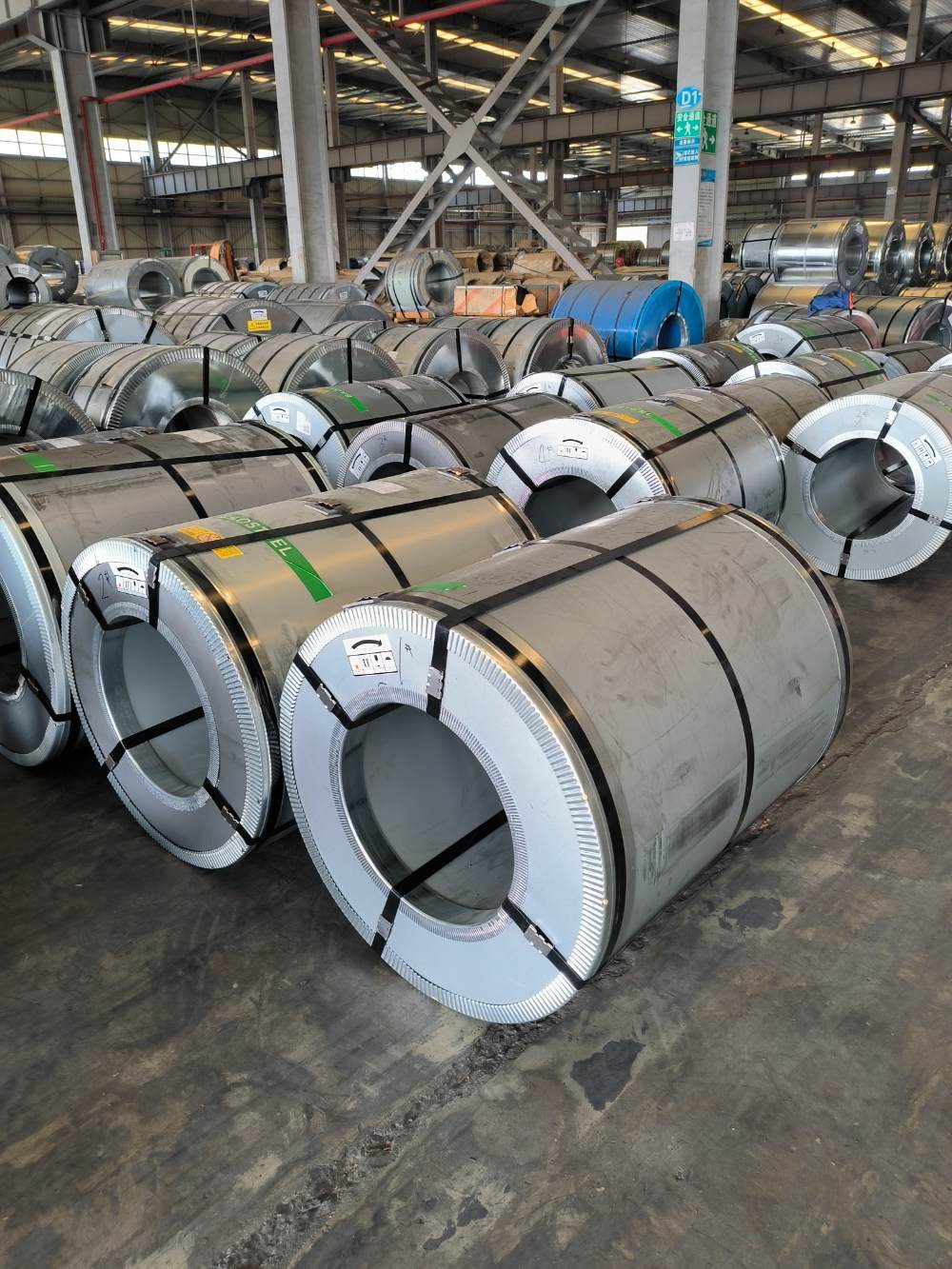
When it comes to achieving top-notch magnetic characteristics, the manufacturing journey starts with precise material selection and alloy formulation. Rather than relying on generic compositions, producers often tailor the mixture of elements like neodymium, iron, and boron to specific application needs, ensuring that the resulting magnets exhibit not only high strength but also stability under varying temperatures. This initial step sets the foundation by balancing factors such as coercivity and remanence, which directly impact performance in everything from electric motors to medical devices.
Moving into the fabrication phase, advanced techniques like powder metallurgy play a pivotal role. By compacting fine magnetic powders under high pressure and then sintering them in controlled atmospheres, manufacturers can create dense, uniform microstructures that minimize defects and enhance magnetic alignment. What makes this process stand out is the attention to detail in heat treatment cycles—gradual cooling and specific tempering stages optimize the crystal structure, locking in superior magnetic domains that resist demagnetization even in harsh environments.
Finally, finishing touches such as precise machining and protective coatings add the last layer of excellence. Through methods like grinding and slicing, magnets are shaped to exact tolerances, eliminating inconsistencies that could weaken magnetic fields. Meanwhile, applying specialized coatings—like nickel or epoxy—guards against corrosion and physical wear, ensuring longevity without sacrificing magnetic potency. This holistic approach, from raw material to final product, is what truly sets apart magnets engineered for peak performance, delivering reliability where it matters most.
Applications in Renewable Energy Systems and Smart Grids
Renewable energy systems and smart grids have transformed how we generate, distribute, and manage electricity, moving beyond traditional fossil-fuel reliance. These technologies enable the integration of diverse energy sources like solar, wind, and hydro, creating more resilient and efficient power networks. By reducing emissions and enhancing energy security, they play a crucial role in tackling climate change and promoting sustainable development, making them indispensable in modern infrastructure.
Smart grids enhance this integration through real-time monitoring and automated control systems, allowing for dynamic balancing of supply and demand. They facilitate two-way communication between utilities and consumers, empowering users with tools like smart meters to optimize their energy usage. This not only improves grid stability but also supports decentralized energy production, enabling homes and businesses to generate and sell power back to the grid, fostering a more democratic energy landscape.
In practical terms, applications range from microgrids that provide localized power in remote areas to advanced forecasting algorithms that predict renewable output, minimizing waste. Innovations like energy storage solutions and demand response programs further enhance efficiency, ensuring power is available when needed. As these systems evolve, they pave the way for smarter cities and a cleaner future, highlighting their versatile impact across sectors from residential to industrial.
How Leading Manufacturers Enhance Durability and Performance
In the competitive landscape of manufacturing, top players go beyond basic standards by deploying advanced materials and engineering techniques. For instance, they often incorporate high-strength alloys or composite materials that withstand extreme conditions, from temperature fluctuations to mechanical stress. This isn't just about adding more layers; it's a strategic choice to boost longevity without compromising on weight or design. Many manufacturers also invest in rigorous testing protocols, simulating years of wear in controlled environments to pinpoint weaknesses before products hit the market. This proactive approach ensures that durability isn't an afterthought but a core feature built into every component.
Performance enhancements often stem from innovative design tweaks and smart integration of technology. Leading firms leverage data analytics from real-world usage to refine products iteratively, enhancing efficiency and responsiveness. They might optimize airflow in engines for better fuel economy or use precision machining to reduce friction in moving parts, directly boosting speed and reliability. It's this blend of old-school craftsmanship with modern tech—like using AI for predictive maintenance or CNC machines for unparalleled accuracy—that sets them apart. The result is equipment that not only lasts longer but also operates at peak levels under diverse scenarios, from daily use to demanding industrial applications.
Beyond hardware, sustainability practices play a growing role in enhancing both durability and performance. Manufacturers are increasingly adopting eco-friendly materials that resist degradation while improving energy efficiency. For example, using recycled metals with enhanced corrosion resistance can extend product lifecycles significantly. Additionally, modular designs allow for easy upgrades and repairs, reducing waste and keeping performance up-to-date. This holistic view, where environmental stewardship supports robust performance, reflects a shift toward solutions that are tough, efficient, and future-proof—an edge that resonates with consumers and industries alike.
Innovations in Steel Thickness and Coating Technologies
Recent strides in steel thickness and coating technologies are revolutionizing industries from construction to automotive. By pushing the boundaries of material science, engineers have developed ultra-thin steel sheets that maintain exceptional strength, allowing for lighter, more fuel-efficient vehicles without compromising safety. Meanwhile, advanced coatings, such as galvannealed and zinc-aluminum alloys, provide superior corrosion resistance, extending the lifespan of infrastructure in harsh environments. These innovations not only enhance performance but also contribute to sustainability by reducing material waste and energy consumption during production.
Customization plays a key role in these advancements, with manufacturers now offering tailored thickness and coating solutions to meet specific project demands. For instance, in the energy sector, pipelines utilize high-strength steel with precise thickness tolerances to withstand extreme pressures, while specialized polymer coatings prevent leaks and contamination. This flexibility enables more efficient resource use, as companies can optimize material properties for each application, leading to cost savings and improved reliability across diverse fields like aerospace and consumer electronics.
Looking ahead, emerging technologies like smart coatings and additive manufacturing are set to further transform steel applications. Smart coatings, embedded with sensors or self-healing capabilities, can detect damage early and repair themselves, minimizing maintenance needs. Additive techniques allow for complex, lightweight steel structures with varying thicknesses in a single piece, opening up new design possibilities. Together, these developments signal a shift toward more adaptive and durable materials, driving innovation in ways that directly impact everyday products and global industries.
Cost-Effective Solutions for Global Power Distribution Networks
In today's interconnected world, achieving cost-effective solutions for global power distribution networks is crucial to supporting economic growth and ensuring reliable energy access. Many countries are exploring innovative strategies that balance affordability with efficiency, such as integrating renewable energy sources like solar and wind into existing grids. By leveraging smart grid technologies, utilities can optimize energy flow, reduce transmission losses, and minimize operational expenses. This approach not only cuts costs but also enhances grid resilience against disruptions, making it a practical choice for both developed and developing regions.
Another key aspect is the adoption of modular and scalable infrastructure designs. Instead of relying on large, centralized power plants, distributed energy resources (DERs) allow for localized generation and storage, reducing the need for extensive transmission lines and associated expenses. For instance, microgrids can provide reliable power in remote areas without the high costs of traditional grid expansion. Coupled with advancements in battery storage and demand response programs, these solutions enable more adaptive and cost-efficient power management, tailored to local needs and conditions.
Collaboration between governments, private sector players, and international organizations plays a vital role in driving down costs. By sharing best practices and investing in joint research, stakeholders can develop standardized technologies and regulatory frameworks that lower barriers to entry. Initiatives like cross-border energy trading and public-private partnerships further enhance affordability by pooling resources and expertise. Ultimately, a focus on long-term sustainability and innovation ensures that these cost-effective solutions not only reduce immediate expenses but also build a more robust and equitable global power network for future generations.
FAQ
Grain-oriented electrical steel is a type of silicon steel with aligned crystal grains, reducing energy loss and improving efficiency in transformers and motors by minimizing hysteresis and eddy currents.
The process involves controlled rolling and annealing to align the crystal structure, which enhances magnetic properties and reduces core losses, leading to better energy savings in electrical devices.
Key factors include product quality, consistency in grain orientation, technical support, adherence to industry standards, and the manufacturer's innovation in reducing energy losses.
It improves the efficiency of power grids and renewable energy systems by lowering energy consumption in transformers, reducing carbon emissions and supporting global sustainability goals.
Challenges include achieving precise grain alignment, maintaining material purity, controlling production costs, and meeting evolving regulatory requirements for energy efficiency.
Trends include the development of thinner gauges for higher efficiency, integration with smart grid technologies, and increased demand due to growth in electric vehicles and renewable energy infrastructure.
Conclusion
Grain-oriented electrical steel (GOES) manufacturers are pivotal in advancing efficient energy solutions through specialized production of high-permeability steel laminations. By employing precise manufacturing processes that align the steel's crystalline structure, manufacturers enhance magnetic properties critical for transformer performance—reducing core losses, minimizing hysteresis, and optimizing energy conversion. Top manufacturers further improve durability and performance through innovations such as advanced coating technologies that prevent corrosion and ensure long-term reliability. These advancements, combined with optimized steel thicknesses, enable manufacturers to create cost-effective solutions that support global power distribution networks while meeting increasing demands for sustainability. As renewable energy systems and smart grids expand, manufacturers adapt GOES applications to integrate seamlessly with these technologies, enhancing grid stability and efficiency.
In practice, leading manufacturers focus on integrating advantages like reduced energy waste in high-efficiency transformers with cutting-edge innovations. For instance, advancements in thickness control and surface coatings not only boost magnetic performance but also lower production costs, making GOES accessible for widespread deployment in smart grids and renewable infrastructure. This holistic approach—from manufacturing excellence to application-specific designs—ensures that grain-oriented electrical steel remains a cornerstone of modern energy solutions, driving efficiency gains across diverse industries while supporting environmental goals. By prioritizing durability, performance, and cost-effectiveness, manufacturers contribute to a more resilient and sustainable global energy landscape, aligning technological progress with practical energy needs.
Contact Us
Contact Person: Zoe Liang
Email: [email protected]
Tel/WhatsApp: 86 189 2128 6299
Website: https://www.baowuchina.com