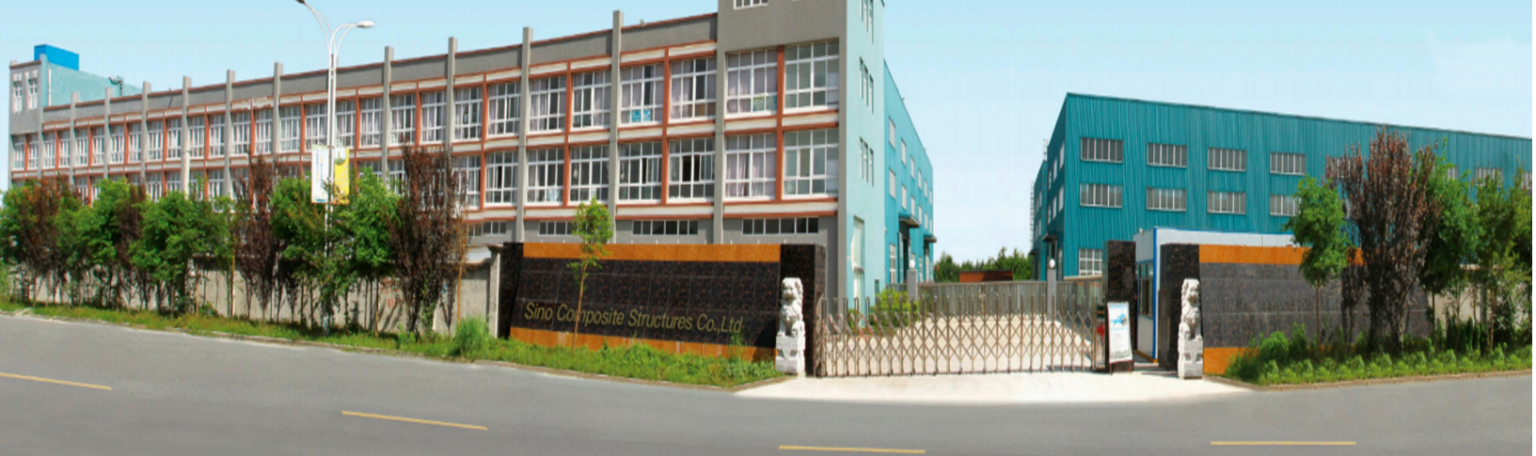
Grating Clip Factory: Engineering Precision for Industrial Solutions
2026-03-01
In the world of industrial engineering, precision is not just a goal—it’s a necessity. Welcome to the realm of Sino Grating, where our Grating Clip Factory stands as a testament to cutting-edge craftsmanship and innovative solutions. We bring together advanced technology and meticulous design to deliver products that meet the toughest industrial demands. If you’re curious about how we engineer reliability into every clip and what sets us apart in a crowded market, you’re in the right place. Dive in to discover the story behind our precision-driven approach.
Precision Engineering for Custom Grating Clip Solutions
At the core of our approach lies a dedication to precision engineering, where tailored grating clip solutions are meticulously crafted to meet the most demanding specifications. By integrating advanced materials and innovative design techniques, we ensure each component fits flawlessly into diverse industrial environments, from heavy-duty construction sites to intricate architectural applications.
This process begins with a collaborative analysis of client needs, enabling us to develop custom clips that not only enhance structural integrity but also optimize performance under varying loads and conditions. Our engineers leverage cutting-edge technologies, such as 3D modeling and stress simulation, to preempt potential issues and deliver solutions that stand out for their reliability and longevity.
Moreover, by prioritizing quality control at every stage—from prototyping to final production—we guarantee products that exceed industry standards. This meticulous attention to detail sets our grating clips apart, offering superior safety and efficiency without compromising on adaptability or ease of installation.
Advanced Manufacturing Techniques in Grating Clip Production
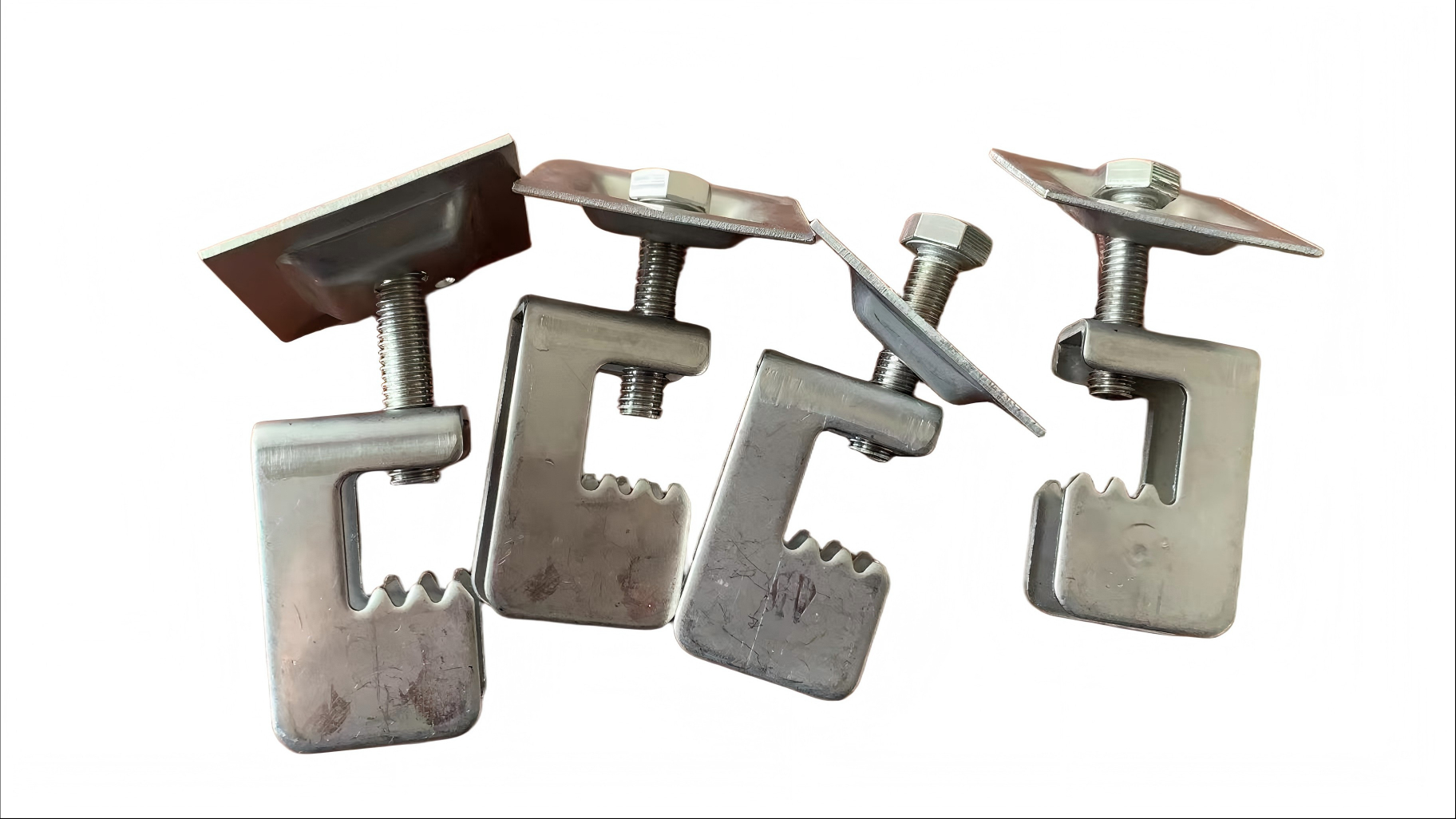
In grating clip production, advanced manufacturing techniques have significantly enhanced precision and efficiency. For instance, laser cutting is now commonly employed to achieve intricate designs with minimal material waste, allowing for custom shapes that fit specific industrial requirements seamlessly. This method not only speeds up the process but also ensures consistent quality across batches, reducing the need for manual adjustments and lowering overall production costs.
Another key innovation in this field is the use of additive manufacturing, such as 3D printing, which enables rapid prototyping and small-scale production of grating clips. This technique allows engineers to test various material compositions and structural designs quickly, facilitating iterative improvements without the high tooling expenses associated with traditional methods. As a result, companies can bring more durable and lightweight clips to market faster, meeting evolving safety and performance standards in construction and industrial applications.
Furthermore, automated assembly lines integrated with robotics have transformed the finishing stages of grating clip manufacturing. These systems apply coatings like galvanization or powder coating with uniform precision, enhancing corrosion resistance and longevity. By streamlining these post-production steps, manufacturers can offer more reliable products that withstand harsh environments, ultimately providing better value to clients in sectors such as oil and gas or infrastructure development.
Quality Assurance and Durability in Industrial Clips
When it comes to industrial clips, nothing matters more than their ability to hold up under pressure day after day. That's where quality assurance steps in—it's not just a box to tick but a rigorous process that starts with selecting the right materials. Think of clips crafted from high-grade stainless steel or reinforced polymers, designed to resist corrosion and wear in harsh environments. Engineers run them through cycles of stress tests, simulating everything from extreme temperatures to heavy vibrations, ensuring they won't fail when it counts. It's this meticulous attention to detail that sets apart true workhorses from mere accessories.
Durability isn't just about lasting a long time; it's about maintaining performance without compromise. In industrial settings, clips might endure constant exposure to chemicals, moisture, or mechanical strain. A well-made clip manages this by incorporating features like uniform sealing and reinforced locking mechanisms. For instance, some clips are engineered with anti-fatigue properties, preventing cracks or brittleness over extended use. This kind of resilience translates directly to fewer replacements, lower downtime, and a more reliable workflow on the factory floor.
Beyond the technical specs, what truly distinguishes durable clips is their adaptability across applications. Whether securing cables in an automotive assembly or managing hoses in a chemical plant, they need to fit seamlessly into diverse systems. Manufacturers often customize designs based on real-world feedback, tweaking dimensions or materials to suit specific needs. This iterative approach, paired with thorough quality checks, ensures that every clip not only meets standards but often exceeds them, delivering a level of trust that keeps operations running smoothly.
Innovative Designs for Diverse Industrial Applications
Pushing the boundaries of conventional engineering, our cutting-edge solutions are crafted to meet the unique demands across various sectors. From aerospace to renewable energy, each design is meticulously tailored, integrating advanced materials and smart technologies to enhance efficiency and reduce operational costs. By focusing on adaptability, these innovations not only solve immediate challenges but also anticipate future needs, ensuring long-term sustainability and competitiveness.
Beyond mere problem-solving, our approach emphasizes creativity and collaboration, drawing from interdisciplinary insights to develop versatile applications. For instance, modular systems in manufacturing enable rapid reconfiguration for different production lines, while IoT-enabled devices in logistics provide real-time data for optimized supply chains. This blend of art and science fosters resilience, allowing industries to thrive in dynamic environments with minimal disruption.
Ultimately, the goal is to deliver tangible value through designs that are both functional and forward-thinking, empowering businesses to innovate confidently in their respective fields.
Efficient Production Processes in Grating Clip Fabrication
In grating clip fabrication, efficiency hinges on streamlined workflows that minimize waste and maximize output. For instance, automating repetitive tasks like cutting and forming can significantly boost production speed while maintaining consistent quality. Engineers often leverage CAD software to refine designs before manufacturing, allowing for rapid prototyping and adjustments without halting the entire line. By integrating lean manufacturing principles, such as just-in-time inventory management, companies can reduce lead times and respond swiftly to customer demands, ensuring a competitive edge in the fast-paced construction industry.
Advanced materials and precision tooling play a crucial role in enhancing efficiency. Using high-strength alloys or composite materials can shorten processing steps by eliminating the need for additional treatments like heat hardening. Modern CNC machines enable intricate cuts and bends with minimal manual intervention, reducing errors and rework. This not only accelerates the production cycle but also fosters a safer work environment, as fewer hands-on adjustments are required during fabrication. As a result, factories can achieve higher throughput with lower operational costs, making grating clips more affordable and widely available for various applications.
Sustainability efforts further contribute to efficient processes by optimizing resource use and reducing environmental impact. Many manufacturers adopt recycling programs for metal scraps or implement energy-efficient machinery to cut down on power consumption. By focusing on eco-friendly practices, such as using water-based coatings instead of solvents, the production process becomes cleaner and more cost-effective over time. These innovations not only align with global green initiatives but also appeal to clients who prioritize sustainable building materials, adding value beyond mere efficiency in grating clip fabrication.
Client-Focused Solutions for Grating System Integration
At the heart of our grating system integration approach lies a deep commitment to understanding each client's unique operational landscape. We begin by engaging directly with your team to identify specific pain points, whether they involve maintenance challenges, safety concerns, or efficiency bottlenecks. By crafting tailored solutions that prioritize your long-term goals, we ensure the system not only meets but exceeds expectations, fostering a partnership built on trust and tangible results.
Our team excels in translating client feedback into actionable designs, leveraging advanced materials and innovative installation techniques. We focus on seamless integration with existing infrastructure, minimizing downtime and disruptions. For instance, in a recent project, we customized a modular grating system for a chemical plant, enhancing load capacity while improving corrosion resistance, which significantly reduced maintenance costs and improved worker safety.
Beyond initial setup, we provide ongoing support and adaptability, ensuring the grating system evolves with your needs. Through proactive monitoring and regular consultations, we help clients navigate changing regulations and operational demands, turning challenges into opportunities for optimization. This forward-thinking approach sets us apart, delivering solutions that are not just installed but truly integrated into your success story.
FAQ
A grating clip is a specialized fastener designed to secure grating panels to beams or structures, offering a more secure and adjustable fit compared to traditional bolts or welds, which can be less flexible and prone to loosening over time.
The Grating Clip Factory utilizes advanced CNC machining and quality control systems, including laser measurement and stress testing, to produce clips with tight tolerances and reliable performance, minimizing defects and ensuring consistency across batches.
Industries such as oil and gas, construction, marine, and petrochemicals often rely on these clips for safety and durability in applications like walkways, platforms, and flooring where secure grating attachment is critical.
Yes, the factory offers customization options for materials, sizes, and designs, allowing clients to tailor clips to unique load conditions, environmental factors, or aesthetic needs, enhancing versatility in industrial solutions.
Common materials include stainless steel, galvanized steel, and aluminum, selected for their corrosion resistance, strength, and durability in harsh environments, ensuring long-term reliability and reduced maintenance costs.
By providing high-precision clips that prevent grating slippage or failure, the factory helps reduce accidents and downtime, while easy installation features streamline assembly processes, improving overall job site efficiency.
Challenges include balancing strength with weight, ensuring compatibility with various grating types, and resisting environmental wear. The factory addresses these through iterative prototyping, material science research, and rigorous field testing.
The factory focuses on using recyclable materials, optimizing production waste, and implementing energy-efficient machinery to minimize environmental impact, supporting greener industrial practices without compromising quality.
Conclusion
At the heart of modern industrial solutions, the Grating Clip Factory stands as a beacon of precision engineering, delivering custom grating clip solutions that meet the exacting demands of diverse applications. By integrating advanced manufacturing techniques, the factory ensures each clip is crafted with meticulous attention to detail, enhancing durability and performance in harsh environments. This focus on quality assurance translates into reliable industrial clips that withstand the test of time, reducing maintenance needs and boosting operational efficiency. Through innovative designs tailored for varied industrial uses—from construction to heavy machinery—the factory pushes the boundaries of functionality, offering bespoke products that adapt seamlessly to complex grating systems.
Moreover, the Grating Clip Factory prioritizes client-focused solutions, fostering seamless grating system integration through collaborative approaches and responsive service. Efficient production processes streamline fabrication, enabling timely deliveries without compromising on precision or innovation. This dual emphasis on engineering excellence and customer partnership sets the factory apart, making it a trusted partner for industries seeking robust, tailored grating solutions. By blending cutting-edge technology with a human touch, the facility not only anticipates market trends but also drives progress, solidifying its role as a leader in the engineering precision landscape.
Contact Us
Contact Person: Nicholas Zhu
Email: [email protected]
Tel/WhatsApp: 18921275456
Website: https://www.sino-grate.com