
Industrial Vehicles: How to Choose the Right One for Your Needs
2026-07-21
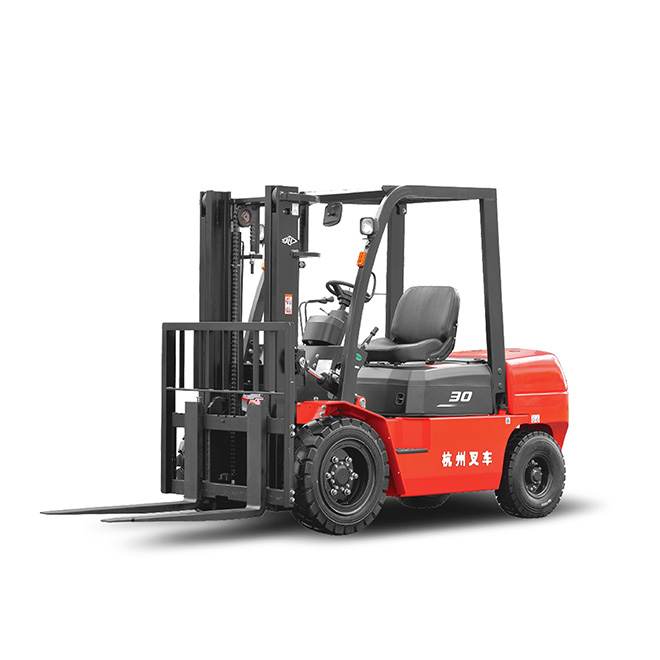
Choosing the right industrial vehicle can make or break your operation’s efficiency—whether you’re navigating tight warehouse aisles or hauling heavy loads outdoors. With so many options, from electric forklifts to rugged pallet trucks, the decision isn’t always straightforward. That’s where a trusted partner like HANGCHA comes in, offering advanced, reliable solutions tailored to real-world challenges. In this guide, we’ll walk you through the key factors to consider, so you can invest with confidence and keep your business moving forward.
Pin Down Your Core Tasks Before You Even Look at Specs
Jumping straight into specifications can blur your vision. Instead, step back and identify what absolutely must get done—those core tasks that define success. Strip away the nice-to-haves and focus on the essentials that move the needle. When you anchor on these, decisions become clearer because you’re not distracted by shiny features or abstract requirements.
This habit forces you to question assumptions early. What problem are you actually solving? Who benefits, and how? By naming these tasks upfront, you build a mental model that cuts through the noise. Later, when specs land on your desk, you’ll evaluate them through the lens of real priorities rather than getting lost in endless details.
Teams often skip this step because it feels slow, but it’s the opposite. It prevents thrashing later and aligns everyone around concrete outcomes. Write them down in plain language, share them, and let them guide your next move. That simple shift turns reactive planning into intentional groundwork.
Indoor, Outdoor, or Both? The Terrain Shapes the Tool
A tool born for the quiet indoors rarely thrives outside, and vice versa. Think of a vintage cast-iron hand plane humming across a smooth workshop board—its delicate adjustment and fine blade are pointless in a rain-soaked thicket. The environment dictates the tool’s material, weight, power source, and even its grip. Indoor tools shrink to navigate doorways and furniture, prioritize low noise for shared spaces, and often rely on steady electricity. Outdoor gear, on the other hand, bulks up with weather-resistant seals, chunky tires for mud, and engines that laugh at a drizzle. The terrain—be it hardwood floor or rocky slope—shapes everything from the shape of a handle to the placement of an exhaust port.
Consider two cousins: the whisper-quiet electric leaf blower meant for a garage or patio, and the gas-powered backpack monster rumbling through acres of wet foliage. Both move air and debris, but one is neutered by a single extension cord and an HOA noise curfew; the other would terrify the cat and strip paint indoors. The difference isn’t marketing—it’s physics and purpose meeting the reality of the space. Floors harbor delicate finishes, so push tools with rubber bumpers and soft wheels. A forest floor harbors hidden stumps and thick duff, demanding metal guards, aggressive tread, and the kind of power-to-weight ratio that flings mud without stalling. Sometimes the line blurs, like a jobsite radio that survives dust and drops, but even that hybrid carries the scars of compromise—larger knobs for gloved hands, a sealed case that muffles the speaker a touch.
There’s an uneasy middle ground that a few tools attempt. A cordless circular saw may slice plywood in a living room and then trim fence boards in the yard, but it seldom excels at both. Battery drain climbs outdoors where the blade fights wind-hardened grain, and the saw’s light frame buckles under what a corded worm-drive would shrug off. Designers of such dual-use tools play a balancing act: a dust port vital for indoor cleanup adds a snag point in thick brush; a ruggedized housing that bounces back from a concrete drop traps heat inside during prolonged indoor use. The most honest tools wear their terrain on their sleeve—a garden spade’s foot tread polished by clay, a bench chisel’s handle darkened by palm sweat under a bench lamp. The terrain shapes the tool, and a smart user reads that shape before the first swing or stroke.
It’s Not Just Weight—Consider Shape, Size, and Stability
A common mistake people make is fixating solely on the number on the scale. While weight provides a quick reference, it completely overlooks how mass is distributed. A person who is pear-shaped carries weight differently than someone with an apple shape, and that variation directly influences balance and joint stress. The silhouette of your body can determine how easily you move, how clothes fit, and even how your posture adapts over time, making shape a far more practical gauge than weight alone.
Size, when taken out of the context of weight, tells a richer story about body composition. Two individuals can weigh exactly the same yet have drastically different measurements, with one being lean and muscular while the other has a higher fat percentage. Waist circumference and hip width are remarkably telling indicators of metabolic health, often more revealing than BMI. Ignoring these dimensions means missing crucial signals about how your body occupies space, absorbs impact, and performs during daily activities.
Stability is the quiet factor that ties everything together. A heavier but evenly distributed build can be remarkably steady, while a lighter but disproportionately top-heavy frame may struggle with simple tasks like bending or reaching. Core engagement, limb length, and the base of support all dictate how securely you navigate the physical world. By shifting focus away from weight and toward how shape, size, and stability interact, you gain a more actionable understanding of function and well-being.
Electric vs. Combustion: More Than Just a Fuel Choice
Stepping into an electric car for the first time can feel oddly silent, almost like the vehicle is holding its breath. That absence of engine rumble isn't just a novelty—it reshapes the entire sensory experience of driving. You begin noticing wind noise, tire hum, and even the subtle whine of the electric motor under hard acceleration. This quietness transforms long commutes into less draining affairs, making the cabin a calmer space where conversations flow naturally and music feels richer.
Beyond the hush, the way power arrives marks a fundamental break from tradition. There is no waiting for revs to build, no gearshift interrupting the flow. The immediate, linear thrust from an electric motor can make combustion engines feel momentarily sluggish by comparison, even if their top-end performance figures are similar. This instant responsiveness alters how you approach overtaking, merging, and even everyday traffic gaps—it makes driving feel more connected and intuitive, as if the car can read your right foot's slightest pressure.
Yet the difference goes deeper than the driving experience alone. An EV's architecture rethinks space itself. Without a bulky engine and transmission tunnel, designers can push the wheels to the corners and create flat, uncluttered floors. The result is often a compact footprint with the interior room of a much larger vehicle. This trick of packaging can turn a city car into a surprisingly practical runabout, blurring old size categories and making you question why traditional cars wasted so much space in the first place.
A Fatigued Driver Is a Risky Driver: Don’t Skimp on Ergonomics
Hours behind the wheel can take a serious toll, and it’s not just about lack of sleep. When your seat doesn’t support your posture, your headrest angles wrong, or the steering column feels like a fight, small discomforts pile up, gradually sapping your alertness. That subtle ache in your lower back or the stiffness creeping into your neck isn’t just annoying—it actively chips away at your concentration, slowing reaction times long before you even notice you’re tired.
Ergonomics often gets overlooked as a safety detail, yet poor cab design quietly pushes drivers toward that dangerous borderline fatigue. The body is constantly making tiny adjustments to cope with misaligned controls or inadequate lumbar support, burning mental energy that should be reserved for scanning the road. Over a long shift, this creates a loaded baseline where a sudden hazard doesn’t get the sharp response it deserves—because the driver is already mentally drained from simply sitting there.
Fleets that treat ergonomics as an afterthought end up battling an invisible drain on performance. Simple fixes—adjustable armrests, firm seat cushioning that doesn’t collapse after six months, steering wheels that tilt and telescope properly—make a tangible difference. Drivers who finish a shift without nagging discomfort are simply more present, less prone to those micro-naps of attention that turn routine trips into close calls. It’s an investment that pays off in roads kept safer, mile after mile.
The Price Tag Deception: Why Upfront Cost Tells Only Half the Story
The sticker price is the bait, but the real cost lives in the fine print. Most buyers fixate on the upfront figure—the sleek number on the tag, the advertised deal—while overlooking the cascade of expenses that follow. Insurance, maintenance, fuel or electricity, depreciation, and financing charges often eclipse the initial outlay over a few short years, turning a “bargain” into a financial sinkhole without the owner ever realizing.
Consider two vehicles: one priced lower but thirstier for gas and pricier to insure, the other with a higher window sticker yet cheaper to run and slower to lose value. At the three-year mark, the supposedly expensive choice can easily be thousands ahead. The gap widens further with extended warranties, tire replacements, and unexpected repairs—none of which feature in that moment of purchase excitement.
Smart shoppers learn to reframe the question from “How much does it cost to buy?” to “How much will it cost to own over the next five years?” That shift in perspective exposes the upfront price tag for what it often is: a well-crafted piece of theater, concealing the true cost of ownership behind a single, seductive number.
FAQ
Warehouses typically rely on forklifts, pallet jacks, order pickers, and reach trucks. Each serves a different purpose, from moving heavy pallets to retrieving items from high shelves. The choice depends on aisle width, load capacity, and lift height required.
Start by assessing the heaviest load you handle regularly, including the weight of any attachments. It's wise to pick a vehicle with a capacity slightly above that to avoid strain and ensure longevity. Don't forget to account for uneven weight distribution or dynamic forces if you operate on ramps.
Electric models are ideal indoors because they produce zero emissions and run quietly, but they need charging infrastructure. Internal combustion engines, like diesel or LPG, offer more power and are better for outdoor use or rugged terrain. Consider your operating environment and refueling logistics.
Prioritize stability systems, overhead guards, and audible alarms. Advanced options include operator presence sensors, speed limiters, and 360-degree cameras. Safe vehicles often have ergonomic controls and good visibility to reduce operator fatigue and accident risks.
It's critical if your workspace has narrow aisles or busy pedestrian zones. Look for a turning radius that fits your layout. Three-wheel forklifts or articulated designs can be game-changers. Test-driving a model in your actual environment is the best way to judge.
Regular checks on hydraulics, brakes, tires, and batteries or engine components are a must. Opt for brands with accessible service points and available spare parts. Some dealers offer telematics systems that alert you to maintenance needs automatically, preventing costly downtime.
Conclusion
Choosing the right industrial vehicle starts far earlier than browsing spec sheets. Before any purchase, you must pin down your exact core tasks—whether that’s moving pallets in a tight warehouse or hauling raw materials across a lumber yard. Without this clarity, you risk investing in machinery that’s either overkill or woefully inadequate. Equally critical is assessing the terrain: a forklift built for smooth indoor floors will fail on muddy outdoor ground, while a rugged all-terrain model wastes energy and space inside a cleanroom. If your operation spans both environments, you may need a hybrid solution or specialized attachments. And don’t overlook the physical nature of your loads—it’s not just about weight. Awkwardly shaped items, high centers of gravity, or oversized dimensions demand careful consideration of stability, mast height, and tilting capabilities to prevent tip-overs and ensure safe handling.
The powertrain decision—electric versus combustion—extends beyond fuel preference into total cost of ownership, emissions regulations, and operational rhythm. Electric trucks excel indoors with zero emissions and lower noise, but charging infrastructure and shift patterns matter; combustion engines still dominate for high-power outdoor applications. Yet even the perfect machine becomes a liability if operators are fatigued. Ergonomics aren’t a luxury—poor seat design, unintuitive controls, and excessive vibration lead to mistakes and injuries, directly impacting productivity and safety. Savvy buyers look past the deceptive price tag, weighing upfront cost against maintenance, energy, downtime, and resale value. A cheaper vehicle that guzzles fuel, breaks often, and wears out drivers can silently bleed your budget, proving that true value emerges only when you account for the full lifecycle.
Contact Us
Contact Person: Liuxue
Email: [email protected]
Tel/WhatsApp: +86-19084200370
Website: https://www.hf-ec.com/