
International Import Export Data: Key Insights for Global Trade Success
2026-04-17
In the ever-evolving landscape of global trade, access to accurate international import-export data can be the difference between success and stagnation. This blog dives deep into key insights from this vital data, offering actionable strategies to navigate complex markets and seize opportunities. Whether you're a seasoned trader or a newcomer, understanding these trends is crucial for staying competitive. As we explore these insights, Tendata provides the tools to turn raw data into real-world advantages, helping you make informed decisions that drive growth. Let's uncover what the numbers reveal and how you can leverage them to thrive in today's interconnected economy.
Global Trade Data Analysis: Unveiling Key Metrics and Trends
Global trade constantly evolves, shaped by shifting economic policies, geopolitical tensions, and technological advancements. By analyzing key datasets—such as export volumes, import tariffs, and trade balances—we can uncover patterns that illuminate broader economic health. For instance, unexpected surges in specific commodity exports might signal emerging market opportunities or underlying supply chain adjustments. These metrics don't just reflect numbers; they tell stories of international cooperation, competition, and resilience in a connected world.
One of the most compelling trends in recent years is the rise of digital trade, which has transformed traditional logistics and enabled smaller businesses to compete globally. However, this shift brings new challenges, like data localization laws and cybersecurity risks. By examining trade data, we can identify which regions are leading in digital exports and how regulatory frameworks are adapting. Such insights help stakeholders navigate complexities beyond mere tariff changes, offering a nuanced view of modern commerce.
Beyond immediate numbers, long-term trends reveal deeper shifts, such as the gradual reconfiguration of supply chains away from single-source dependencies. Countries diversifying their trade partners, as seen in recent agreements, demonstrate strategic moves to mitigate risks. Analyzing these patterns provides a forward-looking perspective, essential for policymakers and businesses aiming to thrive amidst uncertainty. Ultimately, this data-driven exploration highlights how global trade metrics serve as both a mirror of current realities and a map for future opportunities.
Leveraging Import-Export Statistics for Competitive Market Intelligence
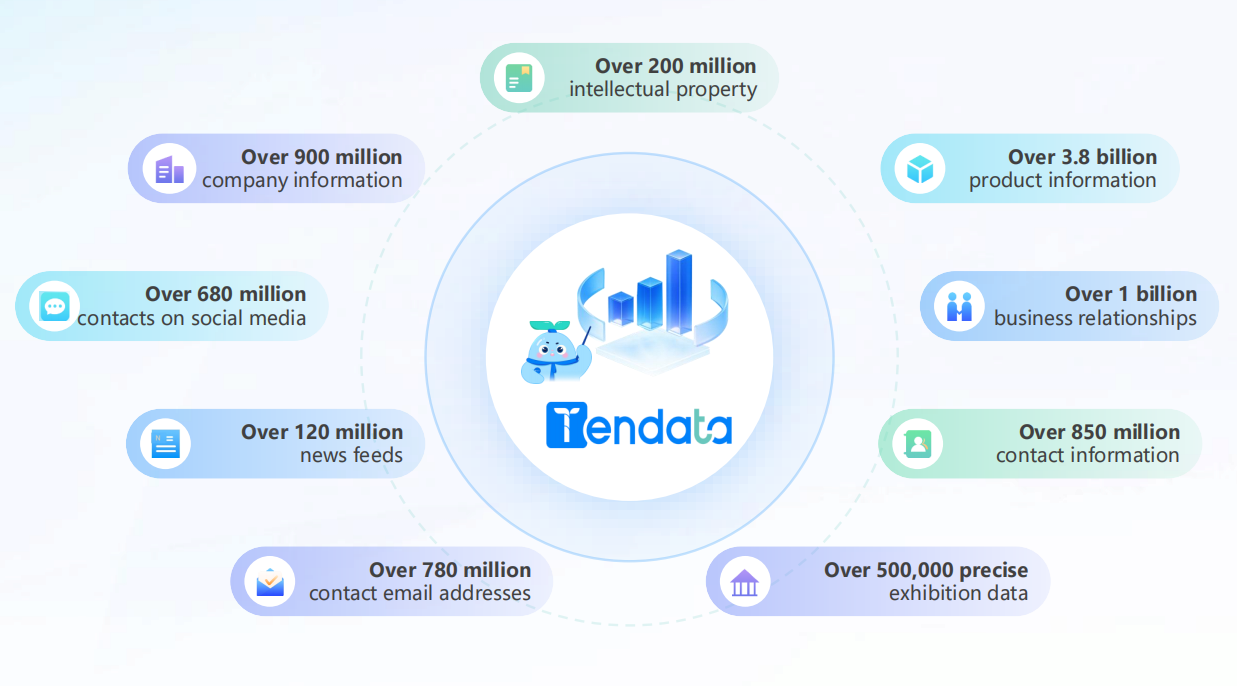
Harnessing import-export statistics transforms raw trade data into a powerful tool for businesses seeking a competitive edge. By analyzing these numbers, companies can uncover trends in global demand, identify emerging markets, and spot shifts in supply chains before they become mainstream. This proactive approach allows firms to tailor their strategies, from product development to pricing, ensuring they stay agile in a dynamic marketplace.
Diving deeper into these datasets reveals insights beyond mere volume and value. For instance, tracking the origin and destination of specific goods helps pinpoint competitors' sourcing patterns or distribution networks. By cross-referencing this with other economic indicators, businesses can forecast potential disruptions or opportunities, such as tariff changes or new trade agreements, giving them a strategic foresight often missed by relying on internal data alone.
To stand out, savvy analysts go further by integrating qualitative factors, like political stability and consumer preferences, with quantitative trade stats. This holistic view paints a richer picture of market dynamics, enabling companies to craft nuanced intelligence reports. Such detailed analysis not only informs tactical decisions but also fosters innovation, as firms can anticipate and capitalize on trends that others might overlook, securing a lasting advantage in the competitive landscape.
Strategies for Optimizing Supply Chains Using International Trade Insights
One effective approach involves leveraging trade data analytics to map out global market trends and identify emerging opportunities or risks, allowing companies to proactively adjust their sourcing and distribution routes. By integrating real-time insights from customs databases, shipping logs, and economic reports, businesses can fine-tune inventory levels and reduce lead times, avoiding costly delays in cross-border operations.
Another key strategy is adopting flexible trade agreements and partnerships that align with shifting international regulations and tariffs. For instance, by analyzing trade policy changes and regional trade pacts, firms can diversify their supplier base, mitigate geopolitical risks, and capitalize on preferential trade zones to lower costs and enhance supply chain resilience.
Finally, embedding trade insights into digital platforms enables a more agile response to disruptions, such as through AI-driven predictive models that forecast demand fluctuations or port congestion. This hands-on use of data not only streamlines logistics but also fosters innovation in supply chain design, helping companies stay ahead in competitive global markets.
Identifying Growth Opportunities Through Regional Trade Dynamics
In today's interconnected global economy, leveraging regional trade dynamics has become a cornerstone for uncovering untapped growth avenues. By analyzing the intricate web of trade agreements, tariff structures, and market access conditions within specific regions, businesses can pinpoint gaps where demand outpaces supply or identify emerging sectors poised for expansion. For instance, regional blocs like the EU or ASEAN often foster preferential terms that lower barriers to entry, enabling companies to scale operations more efficiently and tailor products to local preferences, thereby driving competitive advantage and revenue streams.
Beyond mere market analysis, understanding these dynamics involves delving into socio-economic trends, infrastructure development, and policy shifts that shape regional trade flows. For example, a surge in cross-border e-commerce within a region might signal opportunities for logistics firms or digital payment platforms, while new environmental regulations could open doors for green technology exports. By adopting a forward-looking approach, organizations can proactively position themselves to capitalize on these evolving patterns, rather than merely reacting to changes, thus fostering sustainable growth and resilience against global uncertainties.
To truly stand out, consider integrating innovative risk-assessment tools or data analytics to predict trade disruptions and identify niche markets. This might involve partnering with local experts to gain insights into cultural nuances or leveraging technology to streamline supply chains, ensuring agility in responding to regional dynamics. Ultimately, it's about connecting the dots between trade policies and consumer behaviors to craft strategies that not only boost market share but also contribute to regional economic integration, creating a win-win scenario for businesses and communities alike.
Risk Mitigation in Global Commerce: Data-Driven Approaches
In the interconnected world of global trade, businesses face a web of uncertainties ranging from geopolitical tensions and supply chain disruptions to fluctuating market demands. To navigate these complexities, data-driven approaches have emerged as a pivotal tool for real-time risk assessment and proactive management. By leveraging advanced analytics and machine learning, companies can sift through vast datasets—such as shipping logs, economic indicators, and social media trends—to identify early warning signals. This enables firms to anticipate potential bottlenecks, adapt logistics strategies swiftly, and maintain operational resilience in volatile environments, ultimately safeguarding profit margins and fostering trust across international partnerships.
Beyond mere prediction, data-driven solutions foster a culture of informed decision-making that empowers organizations to tailor their risk responses to specific scenarios. For instance, integrating blockchain technology with data analytics can enhance transparency in supply chains, reducing instances of fraud or counterfeiting. By analyzing historical trade data and customer behavior patterns, businesses can also develop customized contingency plans, such as diversifying supplier bases or adjusting inventory levels ahead of peak seasons. This strategic use of data not only minimizes exposure to unforeseen events but also drives competitive advantage by optimizing resource allocation and enhancing customer satisfaction through reliable delivery timelines.
Implementing these approaches requires a shift towards agile infrastructures and cross-functional collaboration, as siloed data often impedes comprehensive risk analysis. Embracing cloud-based platforms and IoT sensors can facilitate seamless data collection from global operations, enabling real-time monitoring and adaptive strategies. As companies increasingly rely on these insights, they cultivate a more resilient commerce ecosystem, where data acts not just as a reactive shield but as a proactive catalyst for innovation and sustainable growth in the global marketplace.
Enhancing Trade Success with Actionable Data Interpretation
In today's fast-paced markets, success hinges on more than just accumulating data; it's about transforming raw numbers into actionable insights that drive real results. By interpreting data with precision, traders can spot hidden trends, anticipate shifts, and make confident decisions that outperform the competition. This approach moves beyond surface-level charts, diving deep to uncover patterns that lead to smarter, more profitable trades.
Practical data interpretation empowers traders to cut through the noise and focus on what truly matters. Whether analyzing historical performance or real-time metrics, it's about connecting the dots to craft strategies that adapt to market dynamics. This isn't about passive observation—it's an active process where insights translate directly into trades that enhance portfolio growth and minimize risks effectively.
Ultimately, actionable interpretation bridges the gap between information and execution, turning data into a strategic asset. By fostering a keen eye for detail and leveraging tailored tools, traders can consistently refine their edge, ensuring every move is informed, timely, and aligned with their goals for sustained trade success.
FAQ
One major hurdle is navigating complex customs regulations and tariffs, which vary by country and can change unexpectedly. Keeping up with these shifts requires constant vigilance.
By analyzing trade flows, small firms can identify niche markets with high demand but low competition. For instance, targeting regions with rising middle classes offers opportunities for tailored products.
Tech streamlines everything from real-time shipment tracking to automated customs documentation. AI-driven platforms now predict delays, helping businesses adjust strategies proactively.
Cultural nuances impact everything from packaging to marketing. A product that sells well in one country might fail elsewhere due to local preferences or taboos.
Trade deals like the USMCA or RCEP reduce tariffs and simplify rules, making some markets more accessible. Companies often restructure supply chains to benefit from these agreements.
Monitor currency fluctuations, political stability in target countries, and seasonal demand patterns. These indicators help anticipate disruptions and protect profit margins.
Overlooking hidden costs, such as local taxes or storage fees, is frequent. To prevent this, conduct thorough cost-benefit analyses for each market, consulting local experts if needed.
Conclusion
In the complex landscape of global trade, international import-export data serves as a critical foundation for business success, offering more than just raw numbers. By delving into key metrics and trends through global trade data analysis, organizations can uncover patterns that shape market dynamics. This data becomes a powerful tool for competitive market intelligence, enabling businesses to benchmark against rivals, identify emerging sectors, and adapt strategies based on real-time trade flows. Moreover, interpreting these statistics helps optimize supply chains by pinpointing inefficiencies and opportunities in sourcing, logistics, and inventory management, ensuring smoother operations across borders.
Beyond logistics, actionable insights from trade data facilitate growth by highlighting regional dynamics, such as shifting demand in emerging markets or trade agreement impacts. This allows companies to strategically expand into new territories while mitigating risks through data-driven approaches, like monitoring geopolitical shifts and compliance requirements. Ultimately, enhancing trade success hinges on translating complex datasets into practical decisions—whether it's diversifying suppliers, adjusting pricing, or forecasting demand. By integrating these multifaceted insights, businesses can not only navigate global commerce challenges but also seize innovative opportunities, fostering resilience and competitiveness in an ever-evolving marketplace.
Contact Us
Contact Person: Grace
Email: [email protected]
Tel/WhatsApp: +86 18721992033
Website: https://www.tendata.com