Laser Inflammation Relief: Which Treatment Is Right for You?
2026-08-02
When chronic inflammation flares up, finding relief becomes a top priority—but with so many laser therapies now available, which one truly suits your condition? From low-level laser therapy to high-power deep-tissue treatments, the options can feel overwhelming. At GUANG TAI, we’ve seen how the right technology can transform recovery, yet the key lies in matching the method to the inflammation source. In this post, we’ll break down the most effective laser treatments, their unique mechanisms, and what to consider before making a choice—so you can step into relief with confidence.
The Science Behind Light-Based Inflammation Control
Light therapy, particularly with red and near-infrared wavelengths, taps into a cellular mechanism that most of us rarely think about: our mitochondria. These tiny power plants inside cells contain a key photoreceptor called cytochrome c oxidase, which absorbs photons and gets a gentle metabolic boost. Instead of forcing the body into a stressed state, this absorption nudges cells toward a more efficient energy production cycle. More ATP means more resources for repair, and that alone can start turning down inflammatory signals without overriding the immune system’s natural checks and balances.
One of the less talked-about shifts happens at the level of reactive oxygen species. Low doses of light create a subtle rise in ROS that actually flips a switch—away from pro-inflammatory pathways and into antioxidant defense mode. It’s a classic hormetic response: just enough oxidative signaling tells the body to upregulate superoxide dismutase and glutathione, which then work to neutralize chronic inflammation at its source. Over time, this recalibration doesn’t just relieve symptoms; it helps tissue remember a less inflamed baseline.
On a circulatory level, the photons also stimulate endothelial cells to release nitric oxide, a short-lived gas that dilates blood vessels and improves microcirculation. Better flow means immune cells and anti-inflammatory mediators reach damaged areas faster, clearing out debris like spent neutrophils that would otherwise prolong the inflammatory phase. This combination of mitochondrial priming, redox signaling, and vascular loosening creates a cascade that scientists are still mapping—but the gist is that light doesn’t block inflammation so much as give the body a clearer path to resolve it on its own terms.
Cold Lasers vs. High-Powered Devices: What's the Real Difference?
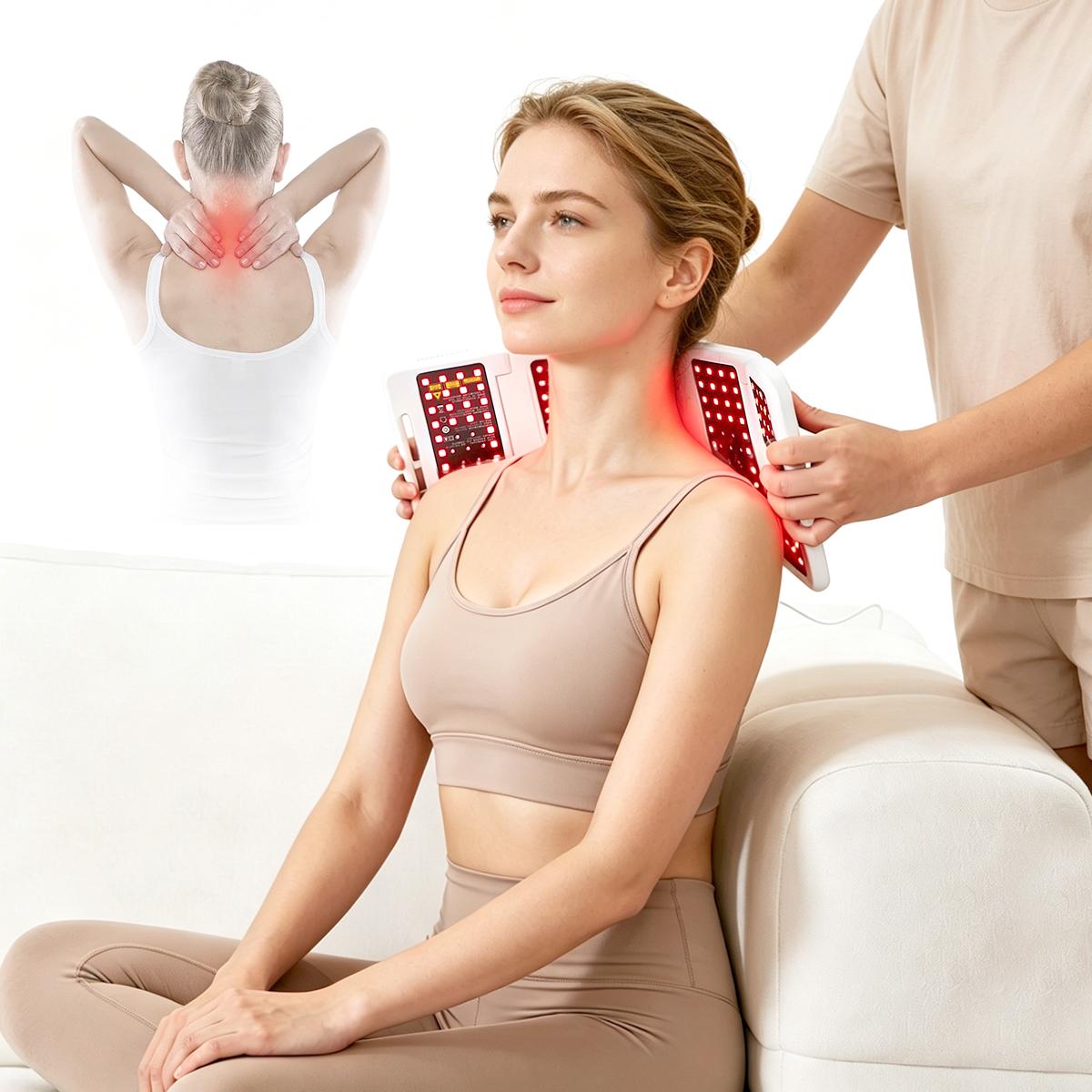
When you first dip into the world of light-based therapy, the terms can blur together—yet the gap between a cold laser and a high-powered device is more than just wattage. Cold lasers, often called low-level laser therapy (LLLT), deliver light at intensities so mild that you rarely feel anything beyond a faint warmth, if that. Their goal isn't to blast tissue but to nudge cellular processes into action, making them a go-to for chronic pain, wound healing, and reducing inflammation without damaging healthy cells.
High-powered devices, on the other hand, take a more upfront approach. With outputs sometimes a hundred times stronger, they generate noticeable heat and are designed to provoke a different physiological response—think tissue ablation, surgical precision, or breaking down scar tissue. They're the heavy lifters for procedures where depth and thermal effect are essential, but that same intensity demands careful handling to avoid burns or unintended damage. It's not simply a case of one being stronger; the wavelengths and pulsing techniques often differ entirely, tuned to whether the aim is to calm or to cut.
What's fascinating is how the choice between them isn't always obvious. A practitioner might lean toward a cold laser for a slow-healing tendon, but switch to a high-powered model for stubborn plantar fasciitis where a more decisive disruption is needed. The real difference lies in the biological message each device sends: one whispers repair, the other shouts remodeling. Understanding that intent is what separates a therapeutic session from a medical intervention.
Which Pains and Injuries Respond Best to Laser Therapy?
Laser therapy has shown remarkable results for a variety of musculoskeletal conditions, particularly those involving acute soft tissue injuries. Sprains, strains, and tendonitis respond quickly because the light energy penetrates deep into the damaged cells, accelerating repair and reducing inflammation. Patients often report significant pain relief after just a few sessions, making it a go-to option for athletes and active individuals looking to get back to their routines faster.
Chronic pain conditions also benefit considerably. Osteoarthritis, especially in the knees, hands, and spine, sees a notable reduction in stiffness and discomfort when treated regularly. The therapy stimulates blood flow and cellular metabolism in degenerating joints, which can slow the progression of cartilage breakdown. Even stubborn issues like plantar fasciitis and carpal tunnel syndrome often improve when other treatments have failed, thanks to the way laser light targets nerve endings and eases nerve-related pain.
Post-surgical recovery and wound healing are two more areas where this modality excels. Incisions, scars, and tissue grafts heal faster with less risk of infection because the treatment boosts collagen production and local immune responses. Dental procedures, such as extractions or root canals, also see quicker healing times and less postoperative discomfort. From acute sports injuries to long-term degenerative changes, laser therapy adapts to a wide range of needs, delivering consistent relief without the side effects of medication.
Inside a Treatment Session: What It Feels Like and Why It Works
Walking into the room, there’s a quiet shift—like the world outside suddenly muffles. You might notice the texture of the chair, the light filtering through the blinds, the deliberate stillness. It’s not always comfortable at first; the body sometimes holds tension in places you’d forgotten about. But within minutes, the therapist’s calm presence and gentle pacing start to soften something. It’s less about talking and more about listening to what your own body has been trying to say.
What makes it work goes beyond relaxation. The nervous system learns that it’s safe to let go of patterns it’s been gripping for years. As you breathe through the sensations, old stress responses unwind, and the brain rewires itself around a new baseline of calm. It’s not magic—it’s biology, but it feels quietly profound. The real shift happens later, when you notice you’re reacting to the world with a little more space and a lot less armor.
From Soreness to Soothing: Your Recovery Timeline
Waking up the morning after a tough workout can feel like a rude awakening. Your muscles ache, every step reminds you of yesterday’s effort, and simple tasks suddenly seem daunting. This initial soreness, often peaking 24 to 48 hours post-exercise, is a natural signal that your body is adapting and getting stronger. Instead of dreading it, try viewing this phase as a necessary pit stop on your journey to improvement. Light movement, like a gentle walk or some easy stretching, can work wonders by increasing blood flow without overloading your tender tissues.
As the days progress, you’ll notice a subtle shift from sharp discomfort to a duller, more manageable tenderness. This is your body transitioning into repair mode. Fueling it wisely becomes your best ally. Think anti-inflammatory foods like berries and leafy greens, plenty of water, and prioritizing sleep. These aren’t quick fixes—they’re steady companions that help the restorative process hum along quietly. You might still feel a hint of yesterday’s effort, but it’s more of a whisper than a shout, a reminder that your muscles are rebuilding smarter and more resiliently.
Eventually, the soreness fades into the background, replaced by a newfound sense of ease and strength. That’s when you know you’ve turned the corner. Your recovery isn’t just about rest; it’s about active listening to what your body needs. Maybe it’s returning to your routine with slightly less intensity or adding in a foam-rolling session to iron out any lingering tightness. Whatever your approach, embracing this natural timeline transforms recovery from an interruption into an essential, even soothing, part of your fitness story.
Matching the Method to Your Specific Condition
No single approach works for everyone, and what helps one person can feel completely off for another. Your daily routine, energy patterns, and even your environment shape which methods actually stick. If you’re a night owl with a quiet block of time after dinner, a deep-focus technique might click, while someone juggling kids and a day job might need bite-sized, scattered sessions. Paying attention to your natural rhythms and real constraints isn’t a drawback—it’s the core of finding what feels sustainable instead of forced.
Trial and error is part of the process, and small tweaks often outshine sweeping changes. Maybe you start with a rigid schedule and realize you thrive on flexibility, or you discover that mixing visual aids with hands-on practice locks things in better than reading alone. Tracking what leaves you drained versus what gives you a small spark of progress helps you refine your approach over time. The goal isn’t to copy someone else’s blueprint but to build your own, piece by piece, based on honest feedback from your own experience.
FAQ
Laser inflammation relief uses specific wavelengths of light to penetrate the skin and target inflamed tissues. The light energy stimulates cellular activity, boosting circulation and accelerating the body's natural healing processes. Think of it as jumpstarting your cells to reduce swelling and pain without drugs.
There are two main types: low-level laser therapy (LLLT), often called cold laser, and high-power laser therapy. Cold lasers use lower intensity and are great for superficial issues, while high-power lasers deliver deeper energy for stubborn, chronic inflammation in joints or muscles.
For acute injuries like a sprained ankle or pulled muscle, cold laser therapy is usually the first choice. It's gentle, reduces inflammation quickly, and helps prevent scar tissue buildup without overheating the area. High-power lasers are often reserved for more deep-seated or chronic problems.
Most people notice some relief after just one or two sessions, but a typical course runs four to six treatments spaced a few days apart. The exact number depends on how severe and long-standing your inflammation is—acute issues often resolve faster than chronic ones.
Absolutely. In fact, many arthritis patients find it's one of the few therapies that eases joint pain without side effects. The key is consistency—regular sessions can significantly dial down inflammation and stiffness over time, though it's not a permanent cure.
That's a conversation for your doctor, but many people do reduce their reliance on medication as laser therapy kicks in. It's a complementary tool, not always a total substitute, especially if your condition is deeply systemic. Think of it as part of a broader pain-management plan.
You'll sit or lie comfortably while the therapist moves a handheld device over the affected area. You might feel a mild warmth or a slight tingling sensation, but it's painless and quick—sessions often last just five to fifteen minutes. No mess, no recovery time afterward.
The beauty of laser therapy is its low-risk profile. Temporary mild redness or a slight increase in soreness can happen right after, but it fades within hours. There's no real downtime—you can walk out and go about your day, though you might be told to avoid heavy activity for a bit.
Conclusion
Laser therapy has emerged as a nuanced tool for taming inflammation, but its effectiveness hinges on matching the right approach to the problem at hand. At its core, this method uses specific wavelengths of light to penetrate tissue and stimulate cellular repair, essentially nudging mitochondria into a more efficient energy-production mode that accelerates healing and dials down inflammatory signals. The field broadly splits into cold lasers, which operate at lower intensities and are ideal for superficial, acute issues like tendonitis or minor sprains, and high-powered devices that can reach deeper joints and chronic conditions with more profound tissue-modulating effects. Not all pain is created equal, though: while stubborn back arthritis or a nagging tennis elbow might respond dramatically, nerve-related pain often requires a more tailored protocol. A session itself is surprisingly uneventful—most people feel only a gentle warmth or nothing at all as the device is held against the skin, yet beneath the surface, blood flow increases and inflammatory markers begin to retreat. The real art lies in timing, because relief typically unfolds in a gradual, three-phase arc from immediate soothing to a noticeable functional improvement weeks later as tissues rebuild, making patience a key part of the prescription.
Choosing the right laser treatment ultimately depends on a careful assessment of whether your condition is acute or chronic, shallow or deep, and how your body typically responds to stimuli. For example, a runner with a fresh Achilles strain might thrive with a series of brief, low-level laser applications that curb inflammation without overtaxing the healing process, whereas someone battling years of frozen shoulder stiffness may need the penetrating power of a class IV laser to break down adhesions and restore range of motion. Practitioners often blend modalities, adjusting wavelength, pulse frequency, and dosage based on real-time feedback like reduced swelling or lessened pain during motion tests. This personalized calibration—rather than a one-size-fits-all protocol—is what separates successful outcomes from mediocre ones, and it’s why experienced clinicians treat the device as an extension of their diagnostic skill rather than a standalone miracle worker. As research continues to unravel how different tissue types absorb and utilize light, the technology is becoming less about a generic “inflammation zapper” and more about a precise, condition-responsive modality that integrates with rehab exercises and lifestyle changes to foster lasting relief.
Contact Us
Contact Person: Leon Yi
Email: [email protected]
Tel/WhatsApp: +86 17363316873
Website: https://zzgt.en.alibaba.com/