
Laser Safety Window Export: Your Complete Guide to Global Compliance and Quality
2026-05-26
When it comes to exporting laser safety windows, navigating the maze of global regulations and quality standards can feel overwhelming. That's where LASERPAIR steps in—not just as a supplier, but as your strategic partner in compliance. This guide cuts through the complexity, giving you the clear roadmap you need to succeed in international markets without the guesswork.
The Foundation of Laser Safety Standards
Laser safety standards are not arbitrary rules—they are built upon decades of research into how light interacts with biological tissue. Scientists measured damage thresholds for skin and eyes at different wavelengths, exposure durations, and beam sizes. From these data points, safety limits were extrapolated to protect people in both occupational and public settings. The underlying principle is straightforward: prevent any exposure that could cause permanent harm, while allowing practical use of lasers in industry, medicine, and research.
Central to these standards are concepts like Maximum Permissible Exposure (MPE) and Nominal Ocular Hazard Distance (NOHD). MPE values define the highest level of laser radiation that a person can be exposed to without incurring injury. NOHD, on the other hand, tells you the distance from the laser source beyond which the beam intensity drops to a safe level under normal viewing conditions. These numbers come from careful analysis of beam divergence, power output, and the eye’s focusing ability—not from conservative guesswork.
Once the basic injury mechanisms were understood, a classification system emerged to group lasers by hazard potential. This system, adopted by standards organizations worldwide, ranges from Class 1 (safe under normal use) to Class 4 (capable of causing eye and skin damage instantly). By assigning a laser to a class based on its accessible emission limits, manufacturers and safety officers can quickly identify appropriate controls—enclosures, interlocks, or protective eyewear. That practical framework is what keeps safety guidelines consistent from one country to another, even as laser technology evolves.
Untangling Export Documentation
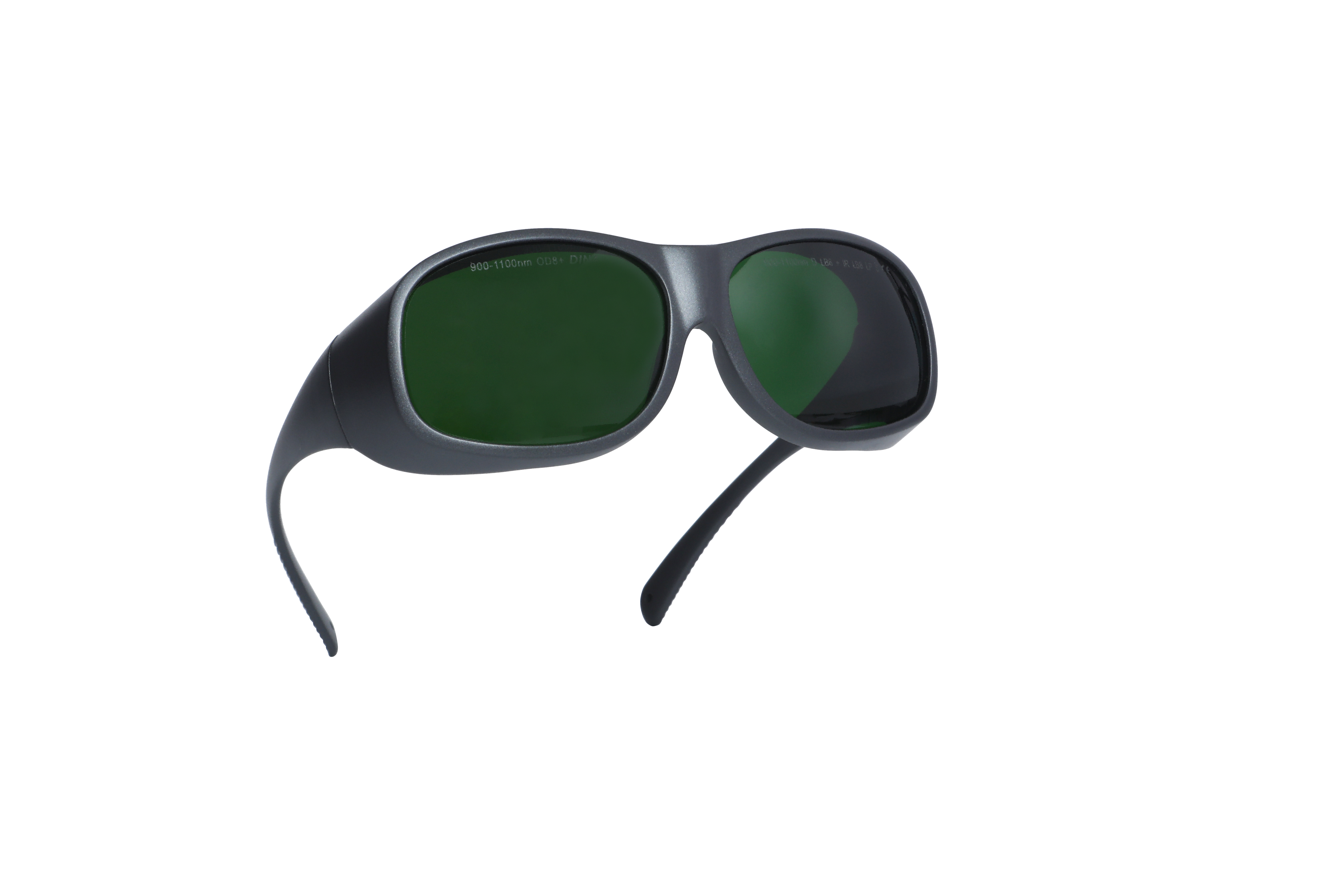
Dealing with export documentation can feel like navigating a maze of customs forms, certificates of origin, and commercial invoices, especially when every country seems to have its own set of rules. The trick is to treat it as a puzzle rather than a burden—start by mapping out exactly which documents your product needs for each destination. Over time, you'll build a checklist that turns panic into routine, and you might even find a strange satisfaction in getting those papers perfectly aligned.
One of the biggest headaches is the sheer variety of paperwork: from bills of lading to packing lists, each piece must be accurate or risk delays at the border. A simple typo in a harmonized code can hold your shipment for days. That's why many exporters lean on freight forwarders or customs brokers, but it still pays to understand the basics yourself. Knowing the difference between a preferential and non-preferential certificate of origin, for instance, can save you money and keep your buyers happy.
Instead of letting the documentation pile up, build a system that works for your sleep schedule—maybe a digital folder with templates and notes from past shipments. Mistakes are part of the learning curve; every missed commercial invoice detail or wrong consignee name teaches you something. The goal isn't perfection but getting comfortable enough that you can handle a last-minute order without breaking a sweat. After all, behind every successful export is a stack of well-organized papers nobody will ever see.
Assessing Window Durability and Performance
When evaluating how long a window will last and how well it performs, it's essential to look beyond the initial appearance. The frame material—whether vinyl, fiberglass, wood, or aluminum—dictates much of its resilience against warping, cracking, and corrosion over time. For instance, fiberglass exhibits minimal expansion and contraction, which helps maintain a tight seal even under extreme temperature swings, while high-quality vinyl with UV stabilizers resists fading and brittleness. Equally important is the glazing system; double- or triple-pane units with low-E coatings and argon or krypton gas fills dramatically reduce heat transfer, but their longevity hinges on the integrity of the spacer and sealant. A failed seal allows moisture and condensation to form between panes, compromising both insulation and clarity, a common failure point that often goes unnoticed until it's too late.
Beyond the materials, proper installation is a silent partner in long-term performance. Even the most robust window will underperform if the rough opening isn't square, the flashing is inadequate, or the insulation around the frame is compressed or missing. Water intrusion around the perimeter can lead to rot, mold, and deterioration of the surrounding wall assembly, subtly eroding the structure long before the glass shows any sign of trouble. Homeowners and inspectors alike should pay close attention to the operational aspects: sash movement, hardware durability, and weatherstripping. A window that sticks, jams, or won't lock not only frustrates daily use but also points to underlying alignment issues or material fatigue. Checking the condition of seals and gaskets yearly—replacing them at the first sign of wear—can extend the functional life by a decade or more.
Finally, real-world performance often deviates from laboratory ratings due to site-specific factors like prevailing wind direction, sun exposure, and regional climate. A window that excels in a moderate coastal environment may struggle in a high-altitude desert with intense UV and daily freeze-thaw cycles. Regular monitoring for subtle changes—such as drafts that become noticeable only on windy days, or a gradual increase in outside noise penetration—can reveal declining performance before it manifests as a spike in energy bills. Simple diagnostic tools like a smoke pen or thermal camera can make weak points visible, guiding targeted repairs or retrofits. Ultimately, durability and performance are not static traits but ongoing commitments, shaped as much by maintenance and environmental context as by the original engineering.
Tailoring Products to International Specifications
Adapting products for global markets demands a deep understanding of local regulations, cultural preferences, and technical standards. It begins with thorough research into each target country’s legal requirements—whether that means adjusting voltage for electronics, modifying packaging to meet sustainability laws, or reformulating ingredients to comply with health and safety codes. Beyond compliance, successful tailoring considers regional user behaviors: a mobile app might need to support right-to-left languages, while a fashion brand may adjust sizing charts to fit local body types.
The process also involves balancing global brand consistency with necessary local modifications. For instance, a food product might retain its core recipe but alter spice levels or sweeteners to match taste profiles in different regions. This approach keeps the brand recognizable while making it feel native to each market. Companies often collaborate with local partners to navigate nuances, from color symbolism to payment preferences, ensuring that the product not only meets specifications but also resonates on a cultural level.
Ultimately, tailoring products to international specifications is not a one-time task but an ongoing commitment. As regulations evolve and consumer expectations shift, regular reviews and agile manufacturing processes are essential. By embedding flexibility into design and supply chains, businesses can swiftly adapt to new standards without sacrificing quality or efficiency, turning compliance into a competitive advantage rather than a hurdle.
Avoiding Common Compliance Missteps
Many organizations stumble by treating compliance as a one-time checklist rather than an ongoing process. Policies that look solid on paper often fail in practice because they aren't regularly updated to reflect new regulations or internal changes. When teams don't revisit their protocols, small oversights accumulate, creating gaps that auditors catch later. A more effective approach treats compliance as a living system, with periodic reviews built into the calendar long before any filing deadlines loom.
Another frequent pitfall is assuming that senior leadership understands every nuance of regulatory requirements. Executives may set the tone, but without clear communication channels, frontline employees make assumptions that lead to violations. Simple things like misclassifying data or skipping a required approval step often stem from lack of clarity, not willful neglect. Bridging this gap requires translating dense legal language into actionable, role-specific guidance that leaves no room for guesswork.
Over-reliance on automated tools can also backfire if no one verifies the outputs. Software flags inconsistencies, but human judgment is still needed to interpret context. A common misstep is letting alerts go unaddressed because teams assume the system will handle it, or worse, disabling notifications to reduce noise. That false sense of security can turn minor issues into major findings during an audit. Regular spot checks and layered oversight help catch discrepancies before they snowball.
Streamlining Global Logistics and Final Delivery
In today's fast-paced market, the efficiency of moving goods from origin to doorstep can make or break a business. Streamlining global logistics isn't just about cutting costs; it's about creating a seamless flow that anticipates and adapts to disruptions, whether they're port congestions or shifting customs regulations. By integrating real-time tracking and predictive analytics, companies are transforming their supply chains from reactive pipelines into proactive networks that keep shipments moving smoothly across borders.
The final delivery stage, often called the 'last mile,' remains the most complex and expensive leg of the journey. Urban congestion, variable delivery windows, and rising consumer expectations demand an innovative approach. Forward-thinking providers are combining local micro-fulfillment centers with flexible delivery fleets—using everything from electric bikes to autonomous vehicles—to ensure packages arrive on time, every time. This localized agility not only speeds up delivery but also reduces the carbon footprint, aligning operational goals with environmental responsibility.
True streamlining happens when global freight management and last-mile execution operate as a single, synchronized entity. Investing in integrated platforms that connect freight forwarding, warehousing, and final delivery gives businesses end-to-end visibility and control. This unified approach eliminates handoff delays, minimizes errors, and enables dynamic routing based on real-world conditions. The result is a frictionless experience for the customer—from factory floor to front porch—without the typical bottlenecks that plague international shipping.
FAQ
A laser safety window is a specially designed optical barrier that blocks or attenuates hazardous laser radiation to protect operators and the environment. In industrial, medical, and research settings, high-power lasers can cause serious injuries, so these windows are vital components of any laser safety system.
Exporting typically requires adherence to global standards such as IEC 60825 for laser product safety, its European equivalent EN 60825, and U.S. FDA/CDRH regulations. Individual countries may impose additional certifications, like the CE mark in the EU, confirming the product has been tested and satisfies safety, health, and environmental requirements.
Quality hinges on optical density, visible light transmittance, damage threshold, and material stability. Optical density measures how much laser energy the window attenuates, transmittance ensures adequate visibility for monitoring tasks, and a high damage threshold guarantees the window withstands intense beams without degrading. Reputable suppliers provide test reports and certifications.
Essential paperwork includes technical specification sheets, test reports, declarations of conformity, certificates of origin, and any necessary import permits. Clear and accurate labeling, along with user manuals translated into the target market’s language, are also critical—they facilitate customs clearance and help end users operate the windows correctly.
Yes, for instance, the U.S. mandates labels that adhere to ANSI Z136, indicating the laser class and protection parameters. The EU requires CE marking and warnings per EN 60825, while Japan may reference JIS standards. Labels must be in the local language and prominently placed to ensure visibility.
Packaging should incorporate shock-absorbing materials like foam or custom cradles to guard against scratches and impacts. Moisture barriers are also crucial, as humidity can harm optical coatings. Following international shipping guidelines and insuring high-value cargo is strongly recommended.
Conclusion
Exporting laser safety windows isn’t just about shipping a piece of coated glass—it’s a tightly woven process where technical mastery meets regulatory savvy. At the core lies a firm grasp of laser safety standards like EN 207/208 and ANSI Z136, which go beyond simple optical density numbers to define how materials hold up under sustained exposure and direct hits. But even the most rigorously tested window can get stuck at customs if the paperwork isn’t in order. Every shipment demands precise harmonized system codes, certificates of conformity, and sometimes country-specific test reports, all aligned with the latest revisions that can change without much fanfare. Meanwhile, real-world performance hangs on how well the window survives mechanical shock, thermal cycling, and long-term coating stability—factors that aren’t always captured in a standard certificate but matter deeply once installed in a surgical laser or a high-power cutting system.
Tailoring products to international markets adds another layer: a window approved in Stuttgart might need a different substrate or frame dimension to pass muster in Seoul, and overlooking subtle labeling quirks—like how laser class symbols differ between regions—can lead to costly rework. Common missteps often start with assuming that a one-size-fits-all certificate will cover every buyer’s need, when in fact proactive dialogue with local notified bodies and experienced test labs reveals gaps early. On the logistics side, specialized packaging that prevents abrasion on delicate coatings and clear Incoterms agreements cut through confusion about who bears risk at each transfer point. In the end, successful export rests on treating compliance not as a checklist but as an integrated practice where material science, documentation discipline, and supply chain clarity reinforce each other.
Contact Us
Contact Person: Jenny
Email: [email protected]
Tel/WhatsApp: +86 13537713281
Website: https://www.laserpair-safety.com/