Nonylphenol Supplier Insights: Key Features and Industry Applications
2026-03-05
In the vast and complex world of industrial chemicals, nonylphenol stands out as a versatile player with critical applications across numerous sectors, from textiles and detergents to agriculture and plastics. Understanding its unique properties and the intricacies of its supply chain is essential for manufacturers and businesses seeking reliable, high-quality solutions. This blog delves into the key features of nonylphenol, explores its diverse industry applications, and offers actionable insights for selecting the right supplier. At the forefront of this discussion is POLYKEM, a trusted name in chemical innovation, known for its commitment to quality, sustainability, and customer-centric solutions. Join us as we uncover how this compound drives efficiency and innovation, and discover why partnering with a leader like POLYKEM can elevate your operations to new heights.
Understanding Nonylphenol's Chemical Structure and Properties
Nonylphenol belongs to a group of alkylphenols, characterized by a phenol ring attached to a nine-carbon alkyl chain. This structure, often branched rather than linear, influences its behavior in various environments. The presence of the hydroxyl group on the aromatic ring makes it moderately polar, while the hydrophobic alkyl chain contributes to its low solubility in water and tendency to accumulate in fatty tissues. Understanding this molecular framework is key to predicting how nonylphenol interacts with biological systems and persists in ecosystems.
In terms of properties, nonylphenol exhibits distinct physical and chemical traits that set it apart from similar compounds. It is typically a pale yellow liquid at room temperature with a faint phenolic odor, and it has a relatively high boiling point around 290–310°C due to its molecular weight and structure. Chemically, it acts as a weak acid, capable of forming salts under certain conditions, and its reactivity includes potential for oxidation and degradation under environmental stressors like UV light. These characteristics not only define its industrial applications but also underscore its environmental persistence and concerns related to bioaccumulation.
A closer look reveals how slight variations in the alkyl chain’s branching can lead to different isomers of nonylphenol, each with unique properties. For instance, branched isomers are more resistant to biodegradation compared to linear ones, enhancing their longevity in soil and water systems. This structural nuance impacts everything from toxicity profiles to regulatory standards, making a detailed grasp of nonylphenol's chemical identity essential for assessing its risks and developing mitigation strategies in sectors ranging from manufacturing to environmental science.
Key Features of Nonylphenol for Industrial Use
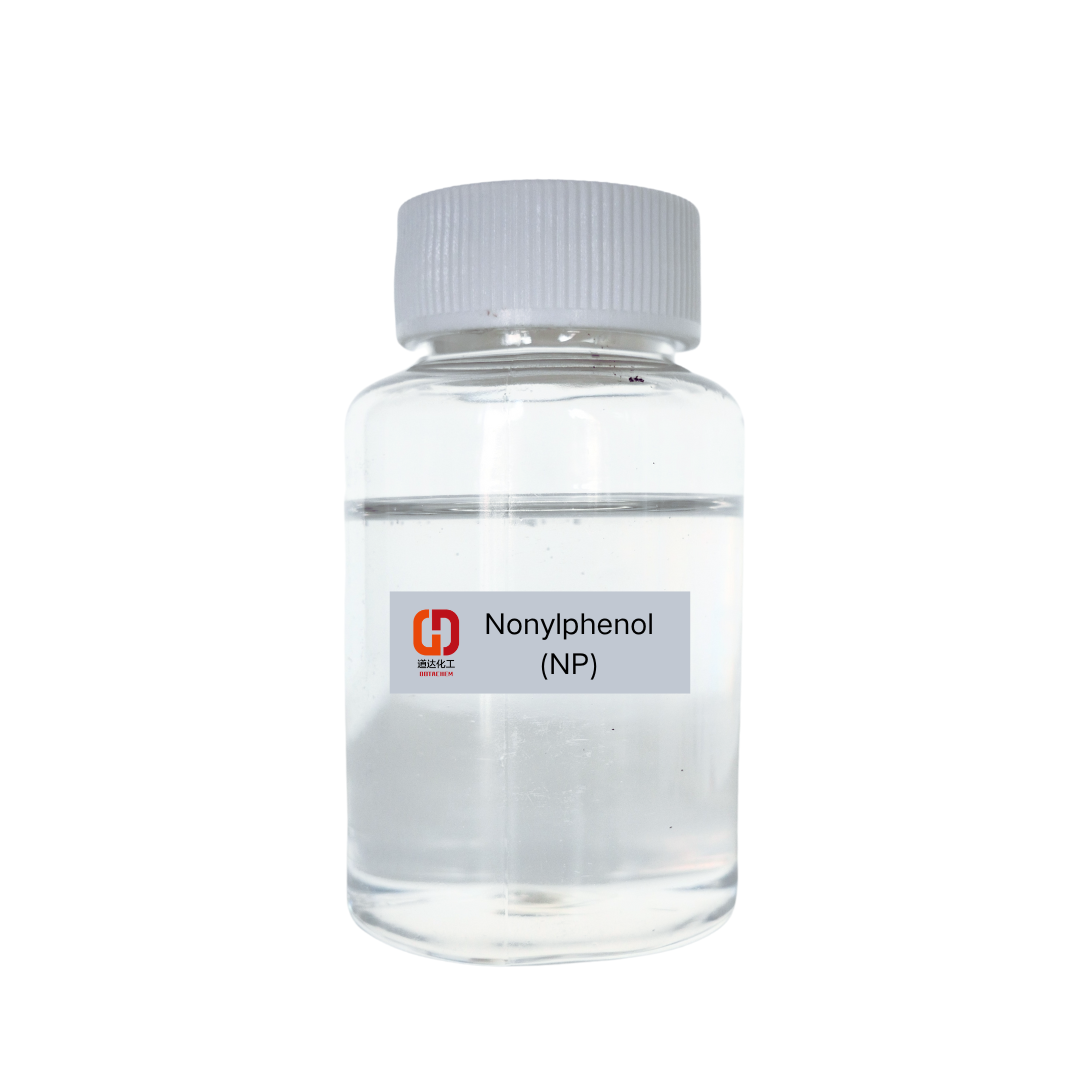
Nonylphenol is a versatile chemical compound widely utilized in industrial applications due to its unique surfactant properties. Its branched structure allows it to effectively reduce surface tension in liquids, making it a key component in detergents, emulsifiers, and wetting agents. This enhances the cleaning power and stability of products, from household cleaners to industrial degreasers. Additionally, its compatibility with various polymers and solvents boosts performance in sectors like plastics and coatings, where it aids in dispersion and adhesion processes.
Another notable feature is its role as a chemical intermediate in manufacturing processes. Nonylphenol serves as a building block for producing nonylphenol ethoxylates (NPEs), which are widely used in industrial formulations for their excellent detergent and emulsifying abilities. These derivatives are particularly valued in textile, leather, and paper industries for functions such as scouring, dyeing, and deinking. Its ability to withstand harsh conditions, like high temperatures and varying pH levels, further solidifies its importance in demanding industrial environments.
Despite its industrial benefits, nonylphenol's environmental persistence and potential toxicity have led to increased scrutiny and regulatory restrictions in some regions. This has spurred innovations in greener alternatives, but its cost-effectiveness and proven track record continue to make it a staple in many applications. For instance, in agriculture, it is used in pesticide formulations to improve spread and penetration, demonstrating its adaptability across diverse fields beyond traditional uses.
Applications of Nonylphenol in the Manufacturing Sector
Nonylphenol, a versatile chemical compound, finds its way into diverse manufacturing applications, particularly due to its surfactant properties. In the plastics industry, it serves as a crucial intermediate in the production of antioxidants and stabilizers, helping to enhance the durability and performance of polymer materials. Additionally, it's used in the synthesis of epoxy resins, contributing to the creation of adhesives and coatings that demand high resistance to heat and chemicals.
Another key application lies in the textile sector, where nonylphenol ethoxylates act as detergents and emulsifiers during fabric processing. These compounds assist in washing and dyeing processes, improving the efficiency of removing impurities and ensuring even color distribution. This makes them valuable in manufacturing high-quality textiles, from everyday clothing to industrial fabrics, though environmental concerns have spurred the search for greener alternatives in recent years.
Beyond textiles and plastics, nonylphenol is utilized in the paper industry as a component in pulping and de-inking processes, aiding in the breakdown of fibers and the removal of inks for recycling. It also plays a role in the production of rubber and leather goods, where its surfactant qualities help in emulsifying oils and other additives, enhancing the final product's properties. Despite its industrial utility, regulatory pressures are gradually shifting focus toward safer, biodegradable substitutes in many manufacturing contexts.
Advantages of Nonylphenol Over Alternative Surfactants
Nonylphenol stands out in various industrial applications due to its superior wetting properties. Unlike many alternatives, it effectively reduces surface tension in aqueous solutions, which enhances cleaning and dispersion processes. This makes it particularly valuable in sectors like textiles and agriculture, where consistent performance under diverse conditions is crucial. Its ability to maintain efficacy across a range of pH levels further solidifies its advantage over surfactants that may degrade or lose function in acidic or alkaline environments.
Another key benefit is nonylphenol's cost-effectiveness and stability. Compared to other surfactants, it often comes at a lower price point without compromising on durability. This economic edge, combined with its resistance to microbial degradation, allows for longer shelf life and reduced waste in storage. In industries where budget constraints and efficiency are paramount, such as in manufacturing or household products, these attributes provide a practical advantage that some eco-friendly alternatives might not match.
Moreover, nonylphenol offers versatility in formulation, enabling customized blends for specific tasks. While alternative surfactants may require complex modifications to achieve desired properties, nonylphenol easily integrates into various mixtures, from detergents to emulsifiers. This flexibility supports innovation and optimization in product development, giving manufacturers an edge in creating tailored solutions that meet precise performance standards in competitive markets.
Industry Standards and Safety Guidelines for Nonylphenol
Nonylphenol, a chemical compound widely used in industrial applications like detergents and plastics, poses significant environmental and health risks due to its persistence and endocrine-disrupting properties. To mitigate these concerns, various international bodies, including the European Union and the United States Environmental Protection Agency, have established stringent standards and guidelines. For instance, the EU has restricted its use under REACH regulations, while the EPA monitors its presence in water sources, emphasizing the need for proper handling and disposal to prevent contamination.
Safety guidelines for nonylphenol focus on minimizing worker exposure and environmental release. Key measures include using personal protective equipment (PPE) such as gloves and masks during handling, ensuring ventilation in storage areas, and implementing spill containment protocols. Companies are advised to conduct regular risk assessments and train staff on safe practices, as accidental exposure can lead to skin irritation, respiratory issues, and long-term ecological damage from bioaccumulation in aquatic systems.
Looking ahead, ongoing research and advocacy are pushing for stricter controls and alternatives to nonylphenol. Innovations in green chemistry offer promising substitutes, and industry stakeholders increasingly adopt voluntary codes to align with sustainability goals. Adhering to these standards not only reduces legal liabilities but also enhances corporate responsibility, fostering trust among consumers and communities while protecting ecosystems from harmful impacts.
Trends and Future Outlook in Nonylphenol Utilization
Nonylphenol utilization has sparked significant debate in recent years, with industries increasingly shifting away from its traditional applications in detergents, emulsifiers, and plastics. This trend stems from heightened regulatory scrutiny and growing environmental concerns, as nonylphenol and its ethoxylates are recognized as persistent organic pollutants with endocrine-disrupting properties. In Europe, strict bans under REACH have driven companies to reformulate products, while in the U.S., voluntary phase-outs and state-level restrictions reflect a cautious but steady decline. Notably, sectors like textiles and agriculture are pioneering alternatives, such as bio-based surfactants and safer agrochemicals, signaling a broader move toward sustainability without compromising performance.
Looking ahead, the future of nonylphenol appears constrained but not entirely obsolete, as niche applications persist where substitutes are less feasible—for instance, in certain industrial processes requiring specific chemical stability. However, innovation is rapidly filling these gaps; research into green chemistry is yielding compounds like alkyl polyglucosides and modified lignin derivatives, which mimic nonylphenol's functionality while reducing ecological footprints. This shift is bolstered by circular economy principles, urging industries to adopt closed-loop systems that minimize waste and toxicity. As global awareness grows, consumer demand for eco-friendly products will likely accelerate this transition, pushing even reluctant markets toward greener practices.
The outlook also hinges on geopolitical and economic factors, with developing regions facing challenges in adopting alternatives due to cost and infrastructure barriers. Yet, international collaborations and funding initiatives, such as those under the Stockholm Convention, are helping bridge these gaps by promoting safer technologies. Ultimately, the trajectory suggests a gradual phasing out of nonylphenol in mainstream use, replaced by a diverse portfolio of innovative solutions that prioritize both human health and environmental resilience. This evolution marks a pivotal moment in chemical management, highlighting how science and policy can converge to foster more responsible industrial practices for generations to come.
FAQ
Leading suppliers offer nonylphenol with high purity grades, consistent batch-to-batch quality, and tailored formulations for specific applications, enhancing performance in industrial processes.
In textiles, it serves as a wetting agent and emulsifier in dyeing and finishing processes, improving fabric penetration and color uniformity without compromising material integrity.
It acts as a surfactant and emulsifier in detergents, effectively breaking down grease and oils for enhanced cleaning power, though environmental regulations have spurred alternatives in some regions.
Users must follow strict safety protocols, including wearing protective gear and ensuring proper ventilation, due to its potential health and environmental risks, with suppliers often providing detailed safety data sheets.
Yes, it's finding niche uses in agrochemical formulations as a dispersant and in certain polymer production, where its chemical properties offer unique advantages in stability and reactivity.
Top suppliers monitor international regulations closely, adapting production methods and providing documentation to meet diverse standards, such as REACH in Europe and EPA guidelines in the US.
Pricing fluctuates based on raw material costs, production scale, and regional demand, with leading suppliers offering competitive rates and reliable supply chains to minimize disruptions.
Conclusion
Nonylphenol is a versatile chemical compound with a specific phenolic structure that imparts unique properties like surface activity and stability, making it valuable across industrial applications. Its key features include excellent emulsification, detergency, and resistance to biodegradation, which enhance performance in manufacturing processes. These attributes drive its use in sectors such as textiles, plastics, and agriculture, where it serves as a surfactant in detergents, plasticizers, and pesticide formulations. The compound's advantages over alternatives lie in its cost-effectiveness and superior performance in harsh conditions, though environmental concerns have prompted shifts toward safer options. Industry standards and safety guidelines emphasize proper handling and disposal to mitigate ecological risks, reflecting a balance between utility and responsibility.
Looking ahead, trends in nonylphenol utilization are shaped by regulatory pressures and growing demand for eco-friendly alternatives, leading to innovations in green chemistry. Despite challenges, its role persists in specialized applications where performance outweighs concerns, with suppliers adapting by offering tailored solutions and compliance support. The future outlook suggests a gradual decline in traditional uses but sustained relevance in niche areas, driven by ongoing research and evolving industry needs. This evolution underscores the importance of informed supplier insights that highlight both practical benefits and sustainable practices, ensuring that nonylphenol remains a strategic component in the chemical landscape while aligning with global environmental goals.
Contact Us
Contact Person: Levi
Email: [email protected]
Tel/WhatsApp: +86 532 84688720
Website: https://www.polykem-intl.com