
Plastic Corrugated Box Picks: Best Durable Options for Your Shipping Needs
2026-06-11
Shipping fragile or heavy items? The wrong box can ruin everything. Plastic corrugated boxes are the unsung heroes of durable packaging—lightweight, waterproof, and impossibly tough. But not all are created equal. In this guide, we spotlight the standouts, including game-changing solutions from ShiTeng Packaging. Ready to discover the picks that'll keep your shipments safe and your stress low?
Why Plastic Corrugated Boxes Outlast Cardboard in Tough Shipping Conditions
Cardboard containers buckle under the strain of damp warehouses, sudden temperature drops, and rough handling. They soak up moisture like a sponge, causing walls to soften and edges to crumple the moment a heavy load shifts. Plastic corrugated boxes ignore all that nonsense. Their waterproof, non-absorbent surface means no warping, no mildew, and no strength loss even when exposed to rain or high humidity for extended periods.
Beyond moisture resistance, these boxes laugh off impacts that would shred fiber-based packaging. The extruded polypropylene structure creates a cushioning effect, bouncing back from drops and crushing forces without cracking. Unlike ordinary cardboard that tears at the corners with repeated use, plastic versions keep their shape trip after trip. Temperature swings from freezing to desert heat don’t make them brittle or flimsy either—they just keep performing.
What really sets them apart is endurance over time. A single plastic corrugated box can outlast dozens of cardboard ones, slashing replacement costs and reducing packaging waste dramatically. They handle grime and spills effortlessly with a quick wipe-down, always ready for the next rough journey. When shipments face real punishment, the choice becomes obvious: use something that survives rather than something that needs constant replacing.
Key Features That Make These Containers Withstand Repeated Use
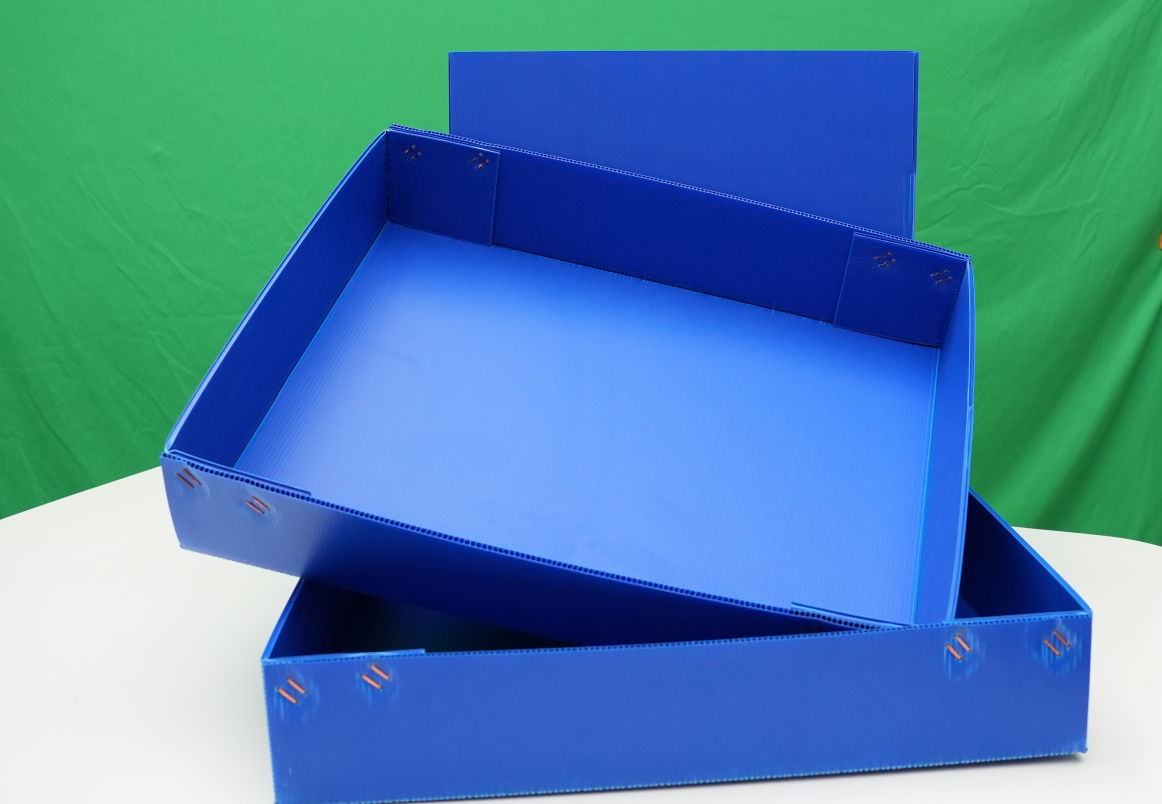
The secret lies in the high-grade, impact-resistant polymer blend that forms the core structure. Unlike standard plastics that become brittle over time, this material flexes under pressure and returns to shape without micro-fractures. It's the same principle behind modern outdoor gear—tough enough to survive drops, stacking, and daily wear without showing signs of fatigue.
Reinforced corners and a thickened base take the brunt of everyday abuse. These zones are designed to absorb shock and prevent the kind of stress cracks that usually start at weak points. Even the lids get special treatment: a double-seam lip creates a reliable seal that doesn't warp or loosen, cycle after cycle. You can pop them open and snap them shut hundreds of times without that frustrating loss of tension.
Beyond the materials, the design itself discourages failure. Molded-in ribbing on the sides isn't just for grip—it adds structural stability, so the container keeps its shape even when hot contents cause expansion. Drain holes on the underside let moisture escape during dishwashing, sidestepping the corrosion and warping that plague sealed-rim designs. Every surface is smooth and non-porous, resisting stains and odors that would otherwise make repeated use unappealing.
Smart Design Choices That Protect Fragile Items Without Adding Bulk
Instead of piling on layers of foam or bubble wrap, clever engineering often turns to geometry. Shapes like interlocking hexagons or curved origami folds can cradle delicate edges while using minimal material. This approach distributes impact forces across a larger area, so a thin, precisely molded insert can outperform a thick, generic pad.
Material innovation plays a quiet but powerful role. Modern cushioning foams, for example, stiffen just enough on impact to absorb shock, then return to a soft, pliable state. Air-filled baffles and suspension films hold items in a web of tension, preventing contact with the outer box without the need for stuffing. These solutions sculpt protection from thin air, literally.
Truly smart packaging fits like a tailored suit. By scanning the product’s contours and using cut-on-demand machines, makers create holders that grip only at strategic points. The result is a featherlight cocoon—strong where needed, sparse elsewhere. It’s protection stripped of excess, proving that when design is attuned to the object, bulk becomes unnecessary.
Comparing Popular Plastic Box Styles for Different Cargo Types
Picking the right plastic box for your cargo isn’t just about size—shape, lid style, and stackability all play a huge role in how well your goods are protected and handled. For example, a standard nestable container might be perfect for lightweight, dry goods in a warehouse, but it’s a disaster waiting to happen if you toss in heavy metal parts that need forklift access. Understanding the quirks of each style helps you avoid damage and wasted space, especially when moving between different types of loads.
Collapsible bulk bins with drop doors are a game-changer for dense, irregular items like scrap or recyclables. The side access makes unloading a breeze without flipping the entire container, and when empty, they fold down to a fraction of their size—saving return freight costs. On the flip side, a solid-walled, stack-only bin with a tight-fitting lid excels for fine powders or sensitive electronics that need complete protection from dust and moisture. Those tiny gaps in a folding crate might be a non-issue for plastic toys, but they’ll ruin a batch of flour.
Then you’ve got specialized options like ventilated crates for produce or conductive ESD boxes for circuit boards. The key is matching the box’s features to the cargo’s worst-case journey—not just the average trip. A container that survives ten smooth rides can still fail catastrophically on the one truck that hits a rough patch. That’s why smart logistics teams test boxes with real-world abuse: stacking them with overload, dropping them at angles, and seeing how they handle twist under uneven loads before committing to a fleet-wide purchase.
Real-World Scenarios Where Rigid Plastic Crates Save Time and Money
In busy warehouses, switching to rigid plastic crates streamlines picking and packing workflows. Unlike cardboard boxes that need assembly and taping, these crates are ready to use instantly and can be stacked securely without fear of collapse. This alone shaves minutes off each order, letting crews process more shipments per shift without adding labor costs.
Agricultural operations see immediate savings during harvest season. Plastic crates withstand rough handling, moisture, and frequent washdowns, eliminating the continual replacement costs tied to splintering wood or waterlogged cardboard. They also protect delicate produce better, reducing spoilage and the financial drain of rejected deliveries.
Automotive parts distributors cut both time and damage-related expenses by switching to uniform plastic crates. Standardized sizes mesh perfectly with automated conveyor systems, preventing jams and manual interventions. Their durability means fewer returns from dented or crushed components, keeping customers satisfied and the bottom line healthier.
Simple Maintenance Tips to Extend the Life of Your Shipping Containers
Even the sturdiest container won’t last forever without a little attention. Start with a quick walk-around every few months—look for dents that might trap water, rust spots near welds, and any signs of seal wear around the doors. Catching these early prevents a minor flaw from turning into a costly repair or cargo damage.
Rust is the real enemy. Pay special attention to the roof and lower corners where moisture likes to hang around. A simple wire brush and a quality marine-grade paint can stop corrosion in its tracks. If you’re near the coast, rinse off salt spray occasionally—it makes a bigger difference than you might expect.
Don’t forget the moving parts. Door hinges, locking bars, and handles all need a bit of grease now and then. A little lubrication keeps everything operating smoothly and prevents that terrible screech. Also, check the rubber gaskets for cracks; a tight seal keeps out rain, dust, and pests, preserving whatever you store inside.
FAQ
They resist moisture, crushing, and tearing far better than cardboard. You can reuse them multiple times without them breaking down, which makes them ideal for heavy or sensitive items.
Absolutely. Since they handle rough handling and stacking without collapsing, they protect your goods across long hauls without needing extra padding.
Measure your item and add at least half an inch on all sides for cushioning. Many suppliers offer custom sizing if standard options don't fit, but you can also cut and fold them yourself.
Yes, many are designed with consistent dimensions and smooth surfaces that work well with conveyors and robotic systems. Just check with your equipment supplier for compatibility.
If your shipping volume is high or you regularly deal with returns, the reusability alone pays off quickly. Plus, fewer damaged goods means lower replacement and refund costs.
You can screen print logos directly onto the surface, and they hold ink well. For labels, standard shipping labels stick securely, but you might want to test adhesion on the specific plastic grade.
Simply wipe them down with a mild cleaner and water. They don't absorb odors or stains easily, so a quick clean keeps them looking professional for the next shipment.
They're often made from recycled polypropylene and are fully recyclable themselves. Their long lifespan means you'll use far fewer boxes overall, cutting down on total waste.
Conclusion
When shipping goods through rough handling, moisture, or extreme temperatures, plastic corrugated boxes prove far more resilient than cardboard. Traditional corrugated fiberboard quickly weakens from dampness or compression, but these plastic alternatives shrug off water, chemicals, and repeated drops. The high-density polypropylene or polyethylene build allows them to withstand countless trips without cracking, unlike cardboard that tears after a few uses. A double-wall fluted design provides the necessary rigidity while staying light—sturdy protection without adding bulk. Clever design choices, such as molded-in dividers, snap-close lids, and anti-static surfaces, keep fragile electronics or glassware secure, and reinforced corners prevent crush damage. These features extend product life significantly, making them a go-to for shippers who need reliability over repeated cycles.
Different cargo types demand different box styles, and understanding the options helps you choose wisely. Collapsible totes work great for returnable logistics and bulk soft goods, while rigid stackable crates handle heavy auto parts or machinery without buckling. For perishables or pharmaceuticals, ventilated models allow airflow to prevent spoilage. In real-world use, switching to these reusable containers can dramatically cut costs: a bakery might replace single-use cardboard with washable bread trays, slashing waste and labor; a manufacturer could use nestable bins to reduce return freight volumes. Maintenance is simple—rinse with soapy water, wipe away any residue, and store stacked flat to keep them in shape. With zero rust, no swelling, and resistance to most chemicals, these boxes stay in service for years, turning a one-time purchase into a long-term asset.
Contact Us
Contact Person: Mr. Ge Man
Email: [email protected]
Tel/WhatsApp: 8613710506492
Website: https://www.shitengzx.com