
Q355B Solar Steel Suppliers in China: Benefits for Renewable Energy Projects
2026-01-31
As the world accelerates its transition to renewable energy, the backbone of every successful solar project lies in the materials that power it. Enter Q355B solar steel – a specialized alloy engineered to withstand the demanding conditions of solar installations while offering remarkable durability and efficiency. In China, where innovation meets scale, suppliers of this premium steel are playing a pivotal role in shaping the future of solar energy. At Energet Solar, we’re proud to collaborate with top-tier manufacturers to bring cutting-edge solutions to renewable energy projects globally. Discover how partnering with Energet Solar can elevate your next solar venture, ensuring reliability, cost-effectiveness, and a brighter, cleaner tomorrow.
Understanding Q355B Solar Steel: Key Properties and Applications
Q355B solar steel stands out in renewable energy applications due to its unique blend of strength and durability, specifically engineered to withstand the rigors of solar panel installations. Unlike standard structural steels, this grade incorporates enhanced corrosion resistance, which is crucial for long-term exposure to outdoor elements like rain, humidity, and temperature fluctuations. Its excellent weldability and formability allow for efficient fabrication into mounting frames and supports, reducing installation time and costs while ensuring a secure fit for solar arrays in diverse environments.
Key properties of Q355B include a minimum yield strength of 355 MPa, providing reliable load-bearing capacity for large-scale solar projects, and impact toughness at low temperatures, making it suitable for colder climates where solar energy is increasingly deployed. The steel's chemical composition, often with controlled carbon and alloying elements, minimizes brittleness and enhances fatigue resistance, ensuring longevity under cyclic stresses from wind and seismic activity. These characteristics make it a preferred choice over alternatives like Q235 or higher-strength steels, balancing performance with affordability in energy infrastructure.
In practical applications, Q355B solar steel is commonly used in ground-mounted and rooftop solar systems, where it forms the backbone of support structures, such as racking systems and fixed-tilt mounts. Its versatility extends to utility-scale solar farms, integrating seamlessly with tracking technology to optimize sunlight capture. By offering a robust yet cost-effective solution, this steel grade supports sustainable energy goals while meeting stringent safety standards, contributing to the global shift toward cleaner power sources without compromising on structural integrity.
Top Chinese Suppliers for Q355B Steel in Renewable Energy
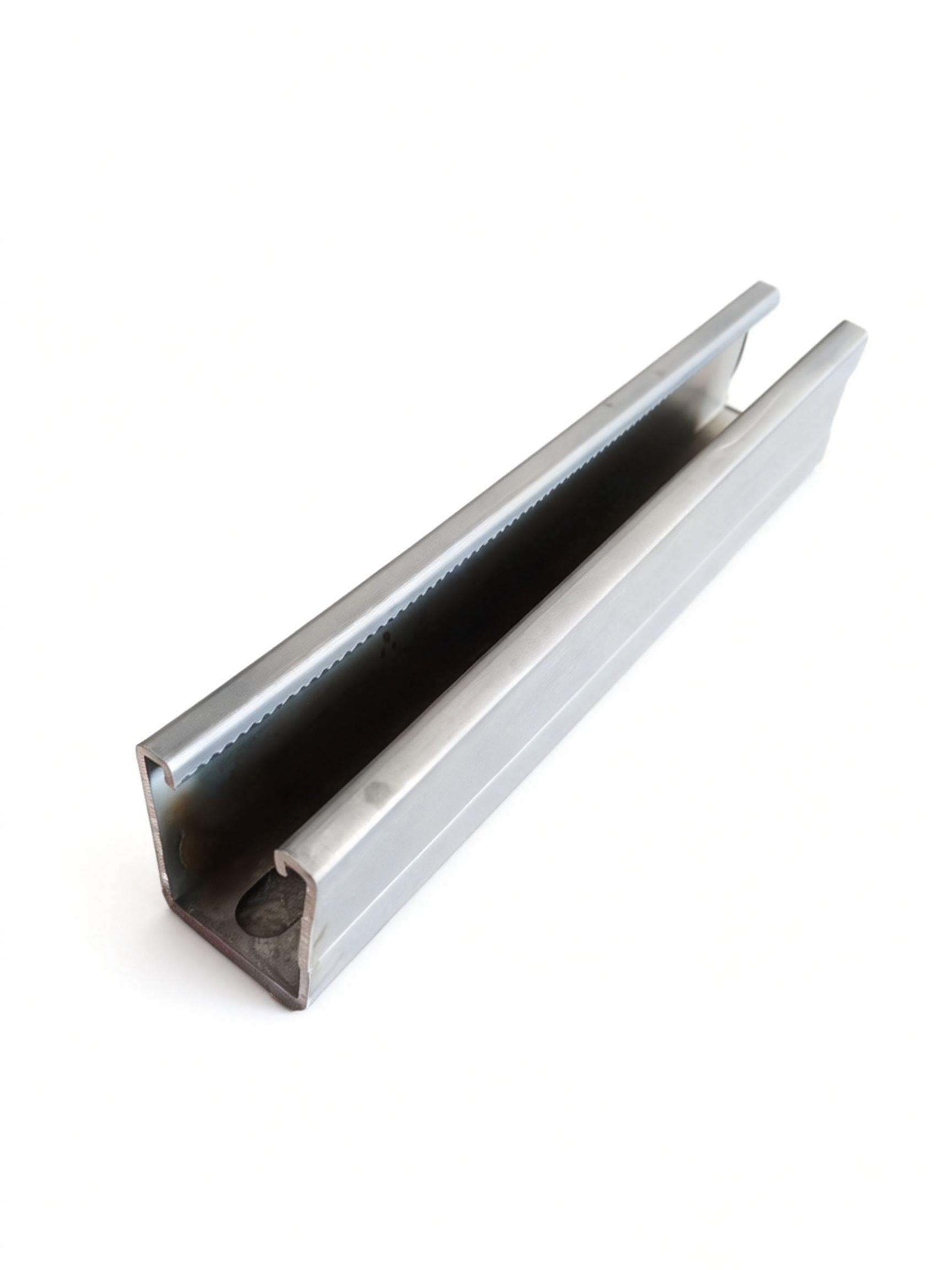
When sourcing Q355B steel for renewable energy applications in China, several prominent suppliers stand out due to their reliability and specialized offerings. Companies like Baowu Steel Group and Ansteel Group are often top contenders, leveraging decades of expertise to produce high-grade structural steel that meets the rigorous demands of wind turbine towers and solar panel frames. Their extensive production capacities and strict adherence to international standards, such as ASTM A572 and EN 10025-2, ensure consistent quality for large-scale renewable projects. By focusing on customized solutions, these suppliers help reduce material waste and optimize strength-to-weight ratios, crucial for enhancing the durability and efficiency of renewable installations.
Beyond the industry giants, specialized manufacturers like Tianjin Pipe Group and Shagang Group have carved niches by tailoring Q355B steel for specific renewable sectors. For instance, Tianjin Pipe excels in providing seamless tubes ideal for geothermal energy systems, where corrosion resistance and high-pressure tolerance are paramount. Shagang, on the other hand, often supplies rolled plates used in hydroelectric dam reinforcements, emphasizing weldability and fatigue resistance. These suppliers differentiate themselves through advanced R&D, offering technical support and on-site consultations that go beyond mere product delivery, helping clients navigate complex engineering challenges unique to renewable energy infrastructure.
In a crowded market, smaller firms like Nanjing Iron and Steel United Co. Ltd. gain traction by emphasizing sustainability and supply chain transparency. They frequently source recycled materials and utilize energy-efficient processes to produce Q355B steel, aligning with the eco-friendly ethos of renewable projects. Additionally, their agile operations enable quicker turnaround times for custom orders, such as prefabricated components for offshore wind farms. By fostering long-term partnerships and providing detailed material traceability reports, these suppliers add value beyond cost considerations, ensuring compliance with environmental regulations and enhancing project credibility in the global renewable energy landscape.
How Q355B Steel Enhances Durability in Solar Installations
In solar installations, durability is paramount, and Q355B steel rises to the challenge by offering exceptional strength and weather resistance. This low-alloy high-strength structural steel is engineered to withstand harsh environmental conditions, from intense UV exposure to heavy wind loads, ensuring solar panel mounting systems remain stable and secure over decades of operation. Its robust composition minimizes material fatigue and deformation, which is crucial for maintaining the structural integrity of solar arrays in diverse climates, making it a reliable choice for both ground-mounted and rooftop installations.
Beyond mere strength, Q355B steel provides a balanced combination of ductility and toughness, allowing it to absorb impacts and adapt to thermal expansion without cracking. This flexibility is particularly beneficial in solar setups where temperature fluctuations can stress mounting components. By resisting corrosion through its alloying elements, Q355B extends the lifespan of solar infrastructure, reducing maintenance needs and downtime, ultimately boosting the long-term efficiency and return on investment for solar energy projects.
Compared to standard steels, Q355B stands out with its optimized performance in load-bearing applications, such as supporting the weight of solar panels and withstanding snow accumulation. Its enhanced durability translates to fewer replacements and repairs, contributing to a lower environmental footprint over the system's life. This makes Q355B a forward-thinking material choice for sustainable energy solutions, aligning with the resilience goals of modern solar installations.
Cost-Efficiency Benefits for Solar Projects Using Q355B Steel
One of the standout advantages of incorporating Q355B steel into solar projects is its remarkable balance between durability and affordability. Unlike some materials that might sacrifice long-term performance for initial cost savings, Q355B steel provides a robust structural backbone capable of withstanding harsh environmental conditions—such as high winds or heavy snow loads—while keeping upfront expenses in check. This means developers can invest in reliable, long-lasting infrastructure without blowing the budget, ensuring projects remain financially viable from the ground up.
Beyond just the purchase price, Q355B steel contributes to ongoing cost-efficiency through minimal maintenance requirements. Its excellent corrosion resistance and high load-bearing capacity reduce the need for frequent repairs or replacements, slashing operational costs over the lifespan of a solar installation. This translates to lower downtime and fewer unexpected expenses, allowing energy producers to focus on maximizing output rather than dealing with structural upkeep, which ultimately boosts the overall return on investment in renewable energy ventures.
Furthermore, the material's versatility and ease of fabrication streamline construction processes, leading to faster project completion and reduced labor expenses. By enabling efficient design and assembly, Q355B steel helps accelerate the deployment of solar arrays, getting them operational sooner to generate revenue. This speed-to-market advantage, combined with its lifecycle cost benefits, positions Q355B as a smart choice for cutting-edge solar projects aiming to deliver both environmental and economic gains without compromise.
Environmental Advantages of Q355B Steel in Green Energy
Q355B steel is increasingly favored in green energy projects due to its high strength and durability, which reduce material usage and lifecycle environmental impact compared to conventional steels. In wind turbine towers and solar panel supports, this grade's excellent weldability and formability allow for efficient manufacturing, lowering energy consumption and waste during production. Moreover, its resistance to corrosion extends the lifespan of infrastructure, minimizing the need for frequent replacements and associated resource extraction.
Beyond durability, Q355B steel supports renewable energy systems by enhancing energy efficiency. For instance, in hydropower plants, its robust properties enable the construction of lighter yet stronger components, reducing the overall weight and energy required for operation. This steel's adaptability to harsh environmental conditions, such as coastal areas prone to saltwater exposure, ensures reliable performance in diverse green energy applications, from offshore wind farms to geothermal installations, without compromising sustainability goals.
The eco-friendly nature of Q355B steel is further highlighted by its recyclability, which aligns with circular economy principles in green energy. After decommissioning, it can be easily melted down and reused in new projects, cutting down on landfill waste and raw material demands. This closed-loop approach not only conserves natural resources but also reduces carbon emissions associated with steel production, making Q355B a key enabler for achieving greener energy solutions worldwide.
Future Trends: Q355B Steel's Role in Expanding Solar Farms
As solar energy adoption accelerates globally, the structural requirements for large-scale solar farms demand materials that combine durability with cost-effectiveness. Q355B steel has emerged as a key player in this context, offering high yield strength and excellent weldability that make it ideal for constructing mounting systems, support frames, and transmission towers. Its enhanced mechanical properties ensure these installations withstand harsh environmental conditions, such as high winds and heavy snow loads, over decades of operation. By enabling more robust and reliable solar infrastructure, Q355B steel supports the expansion of renewable energy projects, contributing to grid stability and reducing reliance on fossil fuels.
Innovations in steel manufacturing are further boosting Q355B's suitability for next-generation solar farms. Advances in corrosion-resistant coatings and modular design techniques allow for quicker assembly and lower maintenance costs, making solar installations more economically viable. As solar technology evolves to include bifacial panels and tracking systems, the adaptability of Q355B steel ensures seamless integration with these innovations. This versatility positions it as a foundational material that can meet the dynamic needs of future energy systems, fostering sustainable growth in regions with varying climates and terrains.
The role of Q355B steel extends beyond mere structural support, influencing the overall lifecycle and environmental impact of solar farms. By using a material with a high strength-to-weight ratio, projects can minimize material usage and transportation emissions, aligning with green building principles. As policies and investments increasingly favor renewable energy, the demand for Q355B steel is set to rise, driving advancements in recycling and circular economy practices. This synergy between material science and energy goals highlights how Q355B steel not only underpins physical expansion but also enhances the sustainability credentials of solar infrastructure worldwide.
FAQ
Q355B solar steel is a high-strength, low-alloy structural steel specifically engineered for durability in harsh outdoor conditions. Unlike standard construction steel, it has enhanced corrosion resistance and weatherproofing properties, making it perfect for solar panel mounting structures and wind turbine towers, where reliability is crucial.
Chinese suppliers leverage economies of scale, with large production facilities and efficient supply chains that reduce costs. They also invest in advanced manufacturing technologies, like continuous casting and controlled rolling, to maintain high-quality standards while keeping prices affordable, often 10-15% lower than Western alternatives.
Yes, Q355B steel is designed to handle heavy loads and environmental stress. With a yield strength of 355 MPa, it provides excellent structural integrity for large solar arrays, even in high winds or heavy snow, ensuring long-term stability and safety for renewable installations.
Chinese suppliers offer flexible logistics options, including direct shipping to major ports worldwide and customized packaging to prevent damage during transit. They often have experience with international trade, streamlining customs clearance and delivery timelines to fit project schedules efficiently.
Q355B steel contains elements like silicon, manganese, and small amounts of vanadium, which improve its strength, toughness, and weldability. This composition helps it resist corrosion from UV exposure and moisture, extending the lifespan of solar and wind infrastructure by reducing maintenance needs.
Q355B steel is often made with recycled content and is fully recyclable, supporting circular economy principles. Its durability reduces replacement frequency, lowering the carbon footprint over time. Plus, its use in solar and wind projects directly cuts fossil fuel reliance, amplifying environmental gains.
Suppliers implement strict quality control measures, such as real-time monitoring during production, third-party testing for mechanical properties, and certifications like ISO 9001. They also provide detailed batch traceability, so project managers can verify specs and maintain consistency over multi-year installations.
Chinese suppliers can tailor Q355B steel in various ways, including custom sizes, shapes (e.g., beams or plates), surface treatments like galvanization, and pre-drilled holes for easier assembly. This flexibility helps engineers optimize designs for cost and efficiency without delays.
Conclusion
Q355B solar steel is a specialized structural material gaining prominence in China's renewable energy sector due to its high strength and durability, making it ideal for applications like solar panel mounting systems and support structures in solar farms. By incorporating key properties such as excellent yield strength and corrosion resistance, Q355B steel enhances the longevity and reliability of solar installations, even in harsh environmental conditions. Chinese suppliers are leading the way in providing this material, offering cost-effective solutions that contribute to the overall affordability of solar projects. This cost-efficiency, combined with the steel's environmental benefits—such as recyclability and reduced maintenance needs—supports the growth of green energy initiatives, aligning with global sustainability goals while ensuring robust infrastructure for expanding solar farms in the future.
In the context of renewable energy projects, the use of Q355B steel from top Chinese suppliers not only optimizes performance but also drives innovation in solar technology. By focusing on durability and cost savings, it enables more scalable and economically viable solar farms, reducing the total cost of ownership over time. Moreover, the steel's role in minimizing environmental impact, through lower resource consumption and enhanced energy efficiency, positions it as a key component in the transition to cleaner energy sources. Looking ahead, trends indicate that Q355B steel will continue to play a crucial part in the expansion of solar infrastructure, supporting larger installations and contributing to China's leadership in the renewable energy market while offering tangible benefits for project developers and investors alike.
Contact Us
Contact Person: Simon
Email: [email protected]
Tel/WhatsApp: 8613672181100
Website: https://energetsolar.com/
