
Rubber Mixing Mill Exporter Insights for Reliable Equipment Sourcing
2026-08-28
Scouting for a rubber mixing mill exporter isn't just about comparing specs—it's about finding a partner who won't disappear after the invoice clears. Too many buyers learn this the hard way. That's why we've put together these ground-level insights from SFC's own floor, where machines are built, tested, and shipped to clients across the globe. Stick around, and you'll see what truly separates a reliable supplier from a risky one.
What Overseas Buyers Overlook When Vetting Rubber Mixing Mill Exporters
Most buyers spend hours comparing roll hardness, motor power, and price, but almost no one asks who actually cast the rolls or whether the exporter controls heat treatment. A trading company can show beautiful photos and quote a low figure while sourcing rolls from an unvetted foundry and welding the frame from mixed scrap steel. That machine may pass a short demo, then develop hairline cracks or lose nip consistency after a few months of real production. Before signing anything, request the foundry name, batch-level hardness test reports, and a continuous-run video of the exact model at full nip load—not a 30-second clip.
Another blind spot is how the mill fits the buyer's actual electrical supply and maintenance reality. A machine calibrated for 50Hz will behave differently on a 60Hz grid, and rewinding the motor locally often voids the warranty. The same goes for spare parts: bronze bushings, oil seals, and brake pads are rarely off-the-shelf items unless the exporter keeps them in stock with clear part numbers. If the supplier cannot hand over a two-year spare parts list plus a local service partner, a minor wear issue can easily become three weeks of downtime.
Foundation and installation details also get skipped until the machine arrives and nothing lines up. Some exporters quietly assume the buyer will pour a concrete base with specific anchor bolt spacing and vibration isolation, but they never include drawings or weight distribution data. The result is misalignment, excessive vibration, and early bearing failure. Ask for a pre-installation guide, required floor thickness, and whether the safety stop bars and emergency braking system meet the destination country's industrial safety codes before the container leaves the port.
Roll Hardness Claims That Rarely Match the Shop Floor Truth
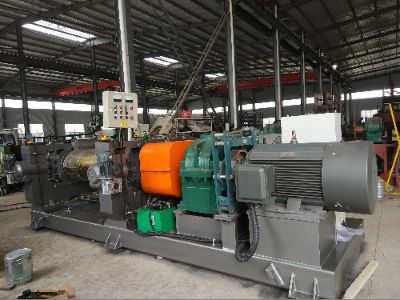
A hardness number printed on a roll spec sheet usually comes from a clean, room-temperature test block, not from a roll that has been running in a mill for six months. Surface decarburization, thermal cycling, and even the way the roll was stored before grinding can shift the actual hardness by several points. By the time the roll hits the shop floor, that original claim is often just a rough guess.
Operators rarely measure hardness the same way twice. One person leans harder on the durometer, another tests near a keyway or a crowned edge, and the instrument itself may not have been calibrated since the last audit. The result is a spread of readings that gets averaged into a single number, which then gets compared against a spec that was never meant to reflect field conditions.
The practical answer is not to ignore hardness claims but to treat them as a starting point. Track how a roll actually wears in your process, note where it fails first, and adjust your acceptance criteria from there. A roll that reads three points low on the shop floor may still outlast one that matches the datasheet perfectly.
How Seasoned Exporters Spot a Mill That Will Outlast the Warranty
A warranty only covers what the manufacturer already suspects might fail. The exporters who have been burned before don't read the fine print twice—they open the gearbox before signing anything. They look for the quiet tells: a base casting with irregular wall thickness, bearing seats that were line-bored in a rush, or paint that hides weld spatter inside the frame. These are not defects you catch on a spec sheet, and they are rarely mentioned in the sales pitch. Once you know where to look, a ten-minute walk around the machine tells you more than a hundred pages of test reports.
Longevity is rarely about the big expensive components. It lives in the details that most buyers ignore—the way cable glands are sealed against washdown water, the hardness of the pin that holds the tensioner, the type of grease fitting used on a pivot that moves twice a minute. Seasoned exporters carry a small flashlight and a magnet. They check for stainless steel where the brochure only says "corrosion resistant." They ask the operator, not the sales manager, which part breaks first. That answer—often delivered with a shrug—is the most honest warranty information you will ever get.
At the end of the day, a mill that outlasts its warranty is built by people who assume it will never come back. You can hear it in the way the electrical cabinet doors close, see it in the spare parts list that includes items competitors call "non-wear." It is not about buying the most expensive option, but about recognizing when a manufacturer has chosen a slightly thicker shaft, a slightly better seal, a slightly more expensive bearing for no reason other than it is the right way to build. That is the only warranty that actually matters—and it never expires.
The Hidden Cost of a Cheap Nip Gap Adjustment System
A nip gap that drifts even a few thousandths of an inch might not sound like a big deal until you watch a roll of substrate wrinkle, tear, or delaminate mid-run. Low-cost adjustment mechanisms often rely on coarse threads, plastic bushings, or flimsy locking collars that loosen under vibration. Operators compensate by nudging the gap by feel, which introduces variation from shift to shift. The result is a process that never quite settles: one hour the coating weight is spot on, the next it is heavy at the edges, and nobody can point to a single cause because the adjustment itself is the problem.
Then there is the wear that cheap components accelerate. A sloppy nip gap concentrates pressure unevenly across the roll face, so bearings, journals, and roll covers take a beating in specific zones. Maintenance crews end up changing out parts that should have lasted for years, while mechanics spend hours trying to shim or re-align a system that was never rigid enough to hold a setting. Those labor hours and replacement parts rarely show up on the initial purchase order, but they pile up quickly in the maintenance budget.
Over time, the hidden cost shows up in rejected batches and customer complaints. Marginal gap control produces streaks, caliper variation, or poor lamination bonds that pass a quick visual check but fail downstream. By the time the problem is traced back to the nip, the line has already produced hundreds of feet of questionable material. A precision adjustment system may cost more up front, but it is often cheaper than the scrap, rework, and lost trust that a bargain mechanism quietly accrues.
Why Some Exporters Hesitate to Share Full Test Reports
Many exporters have learned the hard way that a full test report is more than a compliance document—it often contains raw material sourcing, factory details, and specific production parameters. Once that file leaves your inbox, you lose control over who sees it. A competitor can reverse-engineer your supply chain or undercut your pricing without ever visiting your facility.
Another quiet concern is liability. A report issued for one batch under specific conditions can be misapplied to a different order or market, and suddenly you’re defending a claim you never anticipated. Some buyers also share reports with third-party inspectors or customs brokers, and each hop increases the risk of the data being edited, cropped, or reused without your consent.
Then there’s the internal cost angle. Running full tests on every SKU is expensive, and if you share everything, you signal exactly which items you’ve tested and which you haven’t. That can trigger requests for additional testing on your dime, or worse, make your untested products look like a gap in your quality story.
A Practical Pre-Shipment Checklist Most Buyers Never Request
Most buyers only ask if the goods are ready and if the container will arrive on time. A practical pre-shipment check goes further: open a few cartons from the middle of the stack, not just the top layer. Inspect the inner packaging under normal handling stress. Shake one master carton gently to see if products shift or rub. Check that the poly bags have the required warning text and small holes for air escape. These small details are rarely included in a standard inspection request, yet they directly affect returns and damage claims.
Look at the markings on every side of the export carton, not only the front. Barcodes should scan at a realistic distance and under warehouse lighting. Confirm the shipping marks match the packing list exactly, including any buyer-specific item numbers. If the goods are palletized, check the overhang and whether the pallets can be double-stacked without crushing the bottom layer. Also verify that the final bulk sample you approved is still identical to what is in the cartons—not just similar, but the same stitching, same color temperature, same hardware finish. A quick line audit at the factory can catch substitutions before the container leaves.
FAQ
Don't just rely on glossy brochures. Ask for a live video tour of the factory floor and request to see the specific machine being built for you. Also ask for at least three recent export clients in your region and contact them directly about delivery times, hidden fees, and whether the mill matched the quoted specs.
Trading companies often dodge direct technical questions. Ask for detailed photos of the production workshop, the assembly line, and the gearbox casting area. Request a video call where they pan across the factory and show raw material storage. If they hesitate or offer only close-up shots of finished machines, treat that as a red flag.
Focus on the roll material and hardness, the type of gearbox, and the safety system. Rolls made of chilled cast iron with a surface hardness around 70 HS are standard for long service life. A hardened gearbox with an automatic lubrication system reduces maintenance headaches. Also check the emergency stopping distance and whether the mill has a knee-operated safety bar, not just a pull cord.
Many buyers forget about port handling charges, customs inspection fees, and the cost of converting the electrical system to local voltage. Exporters sometimes quote a low base price but add extra for wooden crate packing, factory load testing, or documentation legalization. Always ask for a line-item breakdown of all incidental charges before signing.
After-sales support can make or break your operation. Ask for a written commitment on response time for technical issues, whether remote video diagnosis is available, and if they have local service partners in your country. Check if they stock common spare parts like bearings, oil seals, and roll gaps and can ship them within 48 hours.
Yes, but you need to provide your compound formulation and processing requirements upfront. Specify whether you need a tangential or intermeshing rotor design for an internal mixer, or a particular roll cooling system for temperature-sensitive compounds. Customization typically adds two to four weeks to the lead time, so ask for a detailed design approval drawing before production starts.
CE marking and ISO 9001 are common, but many suppliers use photoshopped certificates. Request the certificate number and verify it directly with the issuing body. For electrical components, confirm they carry UL or equivalent local safety marks. If the exporter claims compliance with specific safety directives, ask them to show the actual test report from a third-party lab, not just a self-declaration.
Lock in the production schedule before paying a deposit and ask for weekly progress photos with a visible date stamp. Avoid ordering right before major holidays like Chinese New Year or Ramadan, as factories often run at reduced capacity. Clarify whether the quoted lead time is for production only or includes sea freight and customs clearance, and add at least two weeks of buffer for port congestion.
Conclusion
Overseas buyers often fixate on price and delivery timelines while ignoring the signals that separate dependable rubber mixing mill exporters from those who cut corners. Roll hardness numbers look impressive on a brochure, but shop-floor tests frequently tell a different story—soft spots, uneven quenching, or surface treatments that fade after a few hundred hours. Seasoned exporters know this and check the mill's frame rigidity, bearing selection, and gear tooth profiles long before warranty expiration becomes a concern. A cheap nip gap adjustment system may feel like a savings at first, but backlash and drift force operators to recalibrate constantly, adding downtime that no invoice shows. The same exporters hesitate to share full test reports because those documents expose whether the mill was truly load-tested with the buyer's compound or merely run dry for a few minutes.
A practical pre-shipment checklist is rarely requested, yet it can reveal more than any sales call. Ask for videos of the mill under maximum roll force, not just idle rotation. Request hardness mapping across the roll face, including the edges where most wear begins. Verify that the nip gap indicator holds its zero after repeated adjustment cycles. If an exporter becomes vague about alignment records or balks at sharing third-party inspection photos, treat that as a red flag. The goal is not to find a perfect machine but to find an exporter who understands that reliability is built through honest testing, transparent documentation, and a willingness to stand behind the equipment once it leaves the port.
Contact Us
Contact Person: Chen Zhengwei
Email: [email protected]
Tel/WhatsApp: +86-13963975727
Website: https://www.sfcrubbermachine.com