Sanitary Pad Manufacturing Machines: A Comprehensive Guide for Manufacturers
2026-03-06
In the ever-evolving landscape of feminine hygiene, the production of sanitary pads stands as a cornerstone of women's health and comfort. As manufacturers, understanding the intricate machinery behind this essential product is not just about efficiency—it's about empowering communities and enhancing lives. At Womeng, we're dedicated to providing top-tier sanitary pad manufacturing machines that set new standards in quality and innovation. This comprehensive guide delves into the key aspects of these machines, from cutting-edge technology to practical applications, offering valuable insights for industry professionals. Dive in to explore how advanced engineering meets compassionate care, and discover why staying ahead in this field matters more than ever.
Understanding the Basics of Sanitary Pad Production Equipment
When delving into sanitary pad production equipment, it's important to first grasp the core machinery that makes it all possible. At the heart of the process are machines like the pulp-forming unit, which shapes absorbent materials into pads, and the assembly line that integrates layers such as the top sheet, core, and backsheet. These machines must operate with precision to ensure product consistency and hygiene, often incorporating advanced technologies like automated quality control sensors to detect defects in real-time. Manufacturers invest in durable, high-speed equipment to meet varying demands, from standard pads to specialized products, keeping in mind factors like material sourcing and environmental regulations that can affect production choices.
Beyond the primary assembly, other equipment plays crucial roles in enhancing efficiency and product quality. For instance, packaging machinery is vital for sealing and labeling pads, often using heat-sealing techniques to maintain sterility during distribution. Additionally, auxiliary systems like air compressors and conveyors support the smooth flow of materials through the production line, minimizing downtime and waste. Many modern facilities also incorporate modular designs, allowing easy upgrades to adapt to new materials or consumer trends, a feature that sets apart adaptable production setups from more rigid, outdated ones.
In practice, operating this equipment requires skilled technicians who understand not just the mechanics but also the nuances of material handling and maintenance. Regular calibration and cleaning protocols are essential to prevent contamination and ensure long-term reliability. By focusing on these basics, producers can optimize their lines for both cost-effectiveness and sustainability, often integrating innovations like water-saving technologies or recyclable material inputs to stay competitive in a market driven by quality and eco-consciousness.
Key Components and Their Functions in Manufacturing Lines
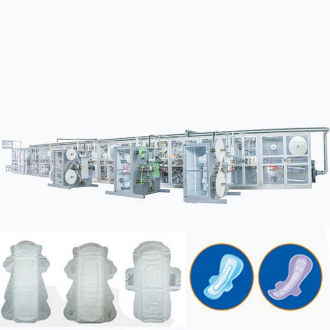
In the bustling world of manufacturing, key components like conveyor systems, robotic arms, and control panels form the backbone of production lines, orchestrating every step from raw material intake to finished product dispatch. Conveyor belts, for instance, seamlessly transport items between workstations, minimizing human handling and boosting speed. Meanwhile, robotic arms equipped with precision tools perform tasks such as welding or assembly with remarkable accuracy, reducing errors and enhancing overall efficiency. These elements work in harmony to create a streamlined workflow that adapts to various manufacturing needs, from automotive to electronics.
Beyond the physical machinery, software systems like Manufacturing Execution Systems (MES) and Programmable Logic Controllers (PLCs) play a crucial role in coordinating operations. MES dashboards provide real-time insights into production metrics, allowing managers to tweak processes on the fly for optimal output. PLCs, on the other hand, act as the brains behind automated sequences, ensuring that every component operates in sync and responds to changes without manual intervention. This integration of hardware and smart technology not only drives productivity but also enables manufacturers to quickly pivot in response to market demands, giving them a competitive edge in today's fast-paced industries.
Each component's function is interdependent; for example, sensors strategically placed along the line detect defects or bottlenecks, triggering adjustments through the control network to maintain quality standards. By fine-tuning these interactions, companies can reduce waste, cut costs, and deliver consistent products. Ultimately, understanding and optimizing these key components allows businesses to build resilient manufacturing lines that are both efficient and flexible, ready to tackle challenges from supply chain disruptions to custom orders with ease.
Automation and Efficiency: Modern Technologies in Pad Making
In the pad making industry, automation has revolutionized production lines by integrating robotics and AI-driven systems. These technologies not only speed up manufacturing but also enhance precision, reducing material waste and ensuring consistent quality. For instance, smart sensors can detect flaws in real-time, allowing for immediate adjustments that traditional methods might miss.
Efficiency gains extend beyond the factory floor, with digital tools streamlining design and prototyping. Advanced software enables rapid customization, letting manufacturers quickly adapt to market trends without costly delays. This agility helps small businesses compete with larger players, fostering innovation in an otherwise niche sector.
Looking ahead, the focus is on sustainable automation, where energy-efficient machines and recyclable materials are prioritized. By blending tech with eco-friendly practices, the industry aims to cut costs while minimizing its environmental footprint, setting a new standard for modern pad production.
Quality Control Measures for Enhanced Product Standards
To elevate product standards, businesses implement a multifaceted quality control strategy that starts at the raw material stage. By rigorously vetting suppliers and conducting on-site inspections, companies ensure that only high-grade components enter the production line. This proactive approach minimizes defects early on, reducing waste and enhancing overall reliability, which in turn builds stronger customer trust and loyalty over time.
During manufacturing, real-time monitoring and automated testing systems play a crucial role in maintaining consistency. For instance, advanced sensors detect variations in temperature or pressure, allowing immediate adjustments to prevent deviations from set specifications. Regular audits by cross-functional teams further reinforce this process, fostering a culture of continuous improvement where every employee is empowered to identify and address potential issues before they escalate.
Beyond the factory floor, post-production evaluations, such as random sampling and accelerated aging tests, help predict long-term performance and durability. Engaging with end-users through feedback channels provides invaluable insights into real-world usage, enabling iterative refinements. This holistic framework not only meets regulatory requirements but also sets a benchmark for innovation, ensuring products not only function flawlessly but also exceed market expectations in terms of safety and sustainability.
Customization Options to Meet Diverse Market Needs
In today's dynamic business landscape, offering customization options isn't just a trend—it's a necessity for companies aiming to stay relevant. By tailoring products or services to specific market segments, businesses can address unique challenges and preferences that off-the-shelf solutions often miss. This adaptability fosters stronger customer relationships and boosts loyalty, as clients feel their distinct needs are genuinely understood and met.
With diverse market needs ranging from industry-specific requirements to regional variations, customization allows for a more targeted approach. For instance, a software company might modify its platform to support local regulations in different countries, while a manufacturer could adjust product materials to suit varying climate conditions. This flexibility not only enhances user experience but also opens up new revenue streams by tapping into niche markets that might otherwise be overlooked.
By integrating customer feedback and ongoing market research, companies can continuously refine their customization options, ensuring they remain agile and responsive. This proactive strategy minimizes the risk of becoming obsolete and positions brands as innovators who prioritize long-term value over short-term gains, ultimately driving sustainable growth in an ever-evolving marketplace.
Maintenance Tips and Best Practices for Long-Term Operations
Keeping your systems running smoothly over years requires a proactive approach. Regular checks and timely updates are crucial to prevent small issues from snowballing into major disruptions. By establishing a routine maintenance schedule, you can catch problems early and extend the lifespan of your equipment.
Documentation plays a key role in effective long-term management. Maintain detailed records of all maintenance activities, repairs, and performance metrics. This historical data helps identify patterns and forecast future needs, enabling smarter decision-making and resource allocation.
Training your team on best practices ensures consistency and reduces dependency on individual experts. Encourage a culture of continuous improvement where feedback from daily operations informs maintenance strategies, adapting to evolving requirements and technologies.
FAQ
A modern production line typically includes a core forming unit, a non-woven fabric unwinder, an absorbent material feeder, a shaping and pressing machine, a cutting unit, and a packaging system, often integrated with PLC controls for efficiency.
They implement strict quality checks at each stage, using sensors to monitor thickness and weight, along with regular material testing and hygiene protocols to maintain consistent output and safety standards.
Options range from fully automated lines for high-volume production to semi-automatic machines for smaller scales. Startups often begin with compact, cost-effective semi-automatic models to manage initial investment.
Regular cleaning to prevent residue buildup, lubrication of moving parts, calibration of sensors, and scheduled inspections for wear and tear are essential to minimize downtime and ensure longevity.
By using energy-efficient motors, installing variable frequency drives, optimizing production speeds to reduce idle time, and incorporating heat recovery systems in drying processes.
Issues like material jams or alignment errors often occur initially; thorough staff training, following manufacturer guidelines precisely, and conducting test runs can help mitigate these problems.
Trends include smart machines with IoT sensors for real-time monitoring, biodegradable material compatibility, and modular designs that allow easy upgrades for sustainability and flexibility.
They implement recycling systems for scrap materials, use eco-friendly packaging, and adhere to local regulations by installing filtration systems to manage emissions and waste disposal responsibly.
Conclusion
For manufacturers entering or expanding in the hygiene products sector, understanding sanitary pad production equipment is crucial for success. This comprehensive guide begins by outlining the basics of these machines, which form the backbone of efficient manufacturing lines. Key components include core-forming units, absorbent layer applicators, and sealing systems, each serving specific functions to ensure consistent product quality. By mastering these fundamentals, manufacturers can optimize their operations from the ground up, laying a solid foundation for scalable production that meets modern demands while minimizing waste and maximizing output.
To stay competitive, embracing automation and modern technologies is essential, as it enhances efficiency through integrated systems like PLC controls and robotic handling. Quality control measures, such as real-time monitoring and defect detection, are integrated throughout the process to maintain high standards and reduce reject rates. Additionally, customization options allow manufacturers to tailor products to diverse market needs, offering various sizes, shapes, and materials. For long-term reliability, regular maintenance and best practices—like scheduled inspections and staff training—ensure smooth operations and extend machinery lifespan, ultimately driving profitability and customer satisfaction in a dynamic industry.
Contact Us
Contact Person: Jessie Lai
Email: [email protected]
Tel/WhatsApp: 86-188594442931
Website: https://www.wm-machinery.com