
Siemens Reducers Wholesalers: How to Source Reliable Industrial Gears
2026-07-27
In the world of industrial machinery, gear reducers are the unsung heroes that keep operations running smoothly. Yet, for many wholesalers, sourcing reliable Siemens reducers can feel like navigating a maze of substandard copies and inconsistent quality. That’s where a trusted partner makes all the difference. Soochee has emerged as a go-to name for wholesalers who refuse to compromise on durability and performance. In this guide, we’ll unpack the key steps to vetting authentic Siemens reducers, avoiding costly pitfalls, and building a supply chain that actually delivers. Ready to move beyond the guesswork? Let’s dive in.
Why Siemens Reducers Are the Industrial Standard
Siemens reducers have earned their reputation not by chance, but through decades of meticulous engineering that prioritizes durability under the harshest conditions. From automotive assembly lines to heavy-duty mining equipment, these gear units consistently deliver torque with a precision that minimizes energy loss, a factor often overlooked until operational costs start climbing. The secret lies in their optimized tooth profiles and advanced materials, which reduce friction and wear, ensuring that the reducer remains a silent, reliable workhorse long after competitors' units would require maintenance.
What truly sets Siemens apart is their modular design philosophy, which allows for rapid customization without sacrificing performance. Engineers can select from a vast array of sizes, ratios, and mounting options, essentially building a reducer that fits like a tailored suit rather than an off-the-rack compromise. This flexibility means that whether you're retrofitting a legacy system or designing a cutting-edge automation cell, the Siemens solution integrates seamlessly, with predictable outcomes that field technicians have come to trust implicitly.
Beyond the hardware, the global support network acts as a silent partner in productivity. With localized service centers and a supply chain that prioritizes rapid delivery of critical components, downtime becomes a rare exception rather than a routine headache. This ecosystem of reliability, from the initial specification to the life-cycle management, is why plant managers and OEMs alike return to Siemens time and again, knowing that the real industrial standard is measured not in marketing claims, but in years of uninterrupted operation.
Finding Wholesalers That Actually Deliver
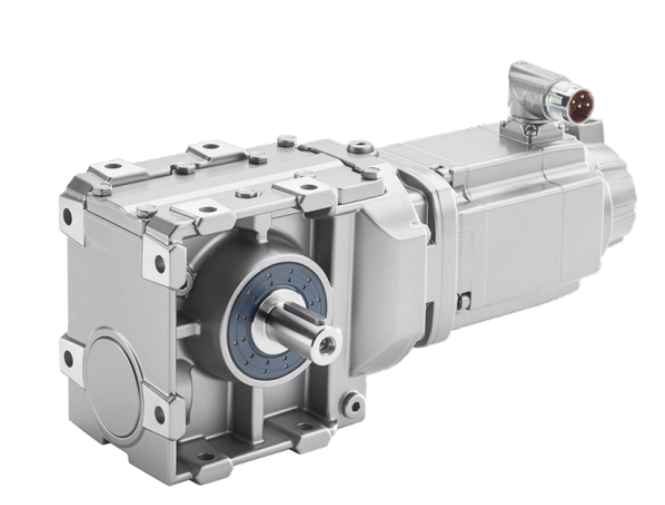
Sourcing reliable wholesalers feels like a gamble when every supplier promises the moon but disappears after the first payment. I’ve learned to start by skipping the flashy trade show pitches and instead digging into industry-specific forums and closed networking groups where real buyers share unfiltered experiences. The suppliers who actually deliver are often the ones without polished marketing—they’re too busy fulfilling orders.
Once I have a shortlist, I never place a large order upfront. A small test batch reveals more than any certificate or sample photo ever could. I watch how they handle the unexpected—delays, slight variations, communication hiccups. A wholesaler who owns up to mistakes and fixes them without drama is worth ten with perfect paperwork. It’s the messy reality of logistics that shows their true colors.
Building a direct relationship with the person packing the boxes, not just the sales rep, has saved me more times than I can count. A quick video call to walk through their warehouse often tells me everything I need to know about whether they’ll actually deliver. No amount of online assurances can replace seeing the stock with your own eyes and feeling that gut-level trust click into place.
Vetting Suppliers Beyond the Spec Sheet
Too many buyers treat the spec sheet like a sacred text, but paper can hide a multitude of sins. I've learned to watch how a supplier handles the unexpected—ask for a small, last-minute tweak and see if they adapt gracefully or fall apart. Their responsiveness and problem-solving mindset often tell you more than a polished datasheet ever could. Are they defensive when you probe their process, or do they welcome the scrutiny? That vulnerability test reveals whether they're truly collaborative or just transactional.
Facility tours can be a theater performance unless you know where to look. Instead of nodding through the showroom, I head straight for the scrap bins and the maintenance logs. Neglected tooling, disorganized workflows, or a lack of safety consciousness won't appear on a quality certificate, but they predict future failures more accurately than any audit checkbox. One supplier I visited had state-of-the-art equipment yet couldn't explain why their defect rate had spiked—until we traced it back to a poorly trained night shift that nobody thought to mention.
Financial stability and cultural alignment are the elephants in the room no one discusses over a bid table. I dive into their credit history, late payment trends, and even employee turnover rates—anything that signals instability. A supplier that underpays staff or skirts environmental rules is a ticking time bomb for your supply chain, regardless of their unit price. Building a relationship that can weather disruptions means looking beyond what they make to how they operate as a business, because the cheapest quote often costs the most in the long run.
Navigating Lead Times and Stock Realities
Supply chains remain unpredictable, and blindly trusting estimated delivery dates can lead to disappointed customers. We emphasize transparent communication with our partners, constantly refining our inventory buffers without hoarding unnecessary stock.
Lead time fluctuations aren't just logistical nuisances; they reshape pricing and availability. By analyzing historical data and maintaining close ties with multiple suppliers, we preempt shortages and avoid overpromising.
For customers, 'in stock' often means different things across channels. Our team works to demystify these signals, providing realistic timelines that account for regional discrepancies and sudden demand spikes.
Pricing Secrets Distributors Won’t Tell You
Behind every invoice lies a markup structure that rarely sees the light of day. Distributors often bundle services, inflate shipping costs, or tack on handling fees that aren’t obvious at first glance. They bank on the fact that most buyers focus on the unit price, overlooking the cumulative impact of these hidden charges. The real cost isn’t in the product itself—it’s in the layers you never thought to question.
Long-Term Partnerships Over One-Off Deals
We’ve seen too many businesses chase quick wins, only to find themselves back at square one when the deal ends. That’s why we focus on relationships that last – the kind where both sides grow, adapt, and push boundaries together. A single transaction might spike a quarter’s numbers, but a real partnership shapes decades. It turns vendors into allies, and projects into shared missions. When you’re in it for the long haul, you celebrate wins that compound, refine processes that stick, and build trust that no contract can fully capture.
The shift from one-off thinking to partnership thinking changes how we work daily. Instead of optimizing for the immediate close, we ask: how does this collaboration look five years from now? That lens shapes everything – communication rhythms, resource planning, even how we handle mistakes. We’d rather invest time in truly understanding your roadmap than burn cycles on a quick sale. It’s less efficient in the first month, yes. But by year three, the velocity is entirely different when you’re not starting from scratch every project.
Long-term doesn’t mean slow. It means strategic. We still move fast, but we move in a direction that stays on course. When priorities shift – and they always do – a deep partnership absorbs that without derailing. We’ve had clients pivot their entire business, and because we were embedded in their thinking, our support evolved alongside. No frantic re-scoping, no renegotiating from zero. Just a natural adjustment because we were already on the same page. That’s the quiet power of sticking together beyond a single transaction.
FAQ
A standout wholesaler typically maintains deep inventory levels rather than relying on drop-shipping. They'll have technical staff who understand motor and gearbox integration, not just order takers. Look for evidence of factory training, willingness to share test reports or traceability documentation, and a track record of solving urgent delivery problems without inflating costs.
Genuine Siemens products come with traceable serial numbers and manufacturer packaging that includes tamper-evident seals. Request a photo of the actual unit with its nameplate before purchase. Check that the nameplate data matches Siemens' current catalog specifications. If a price seems too good to be true, it often is — ask about the supply chain to see if they can name the authorized Siemens partner they source from.
Wholesalers often aggregate demand from multiple customers, allowing them to negotiate better tier pricing and keep stock of common configurations. Direct channels may have minimum order quantities or longer lead times for non-contract customers. Good wholesalers also offer break-bulk services — selling single units like a gearmotor you can grab off the shelf, which direct business rarely accommodates for occasional buyers.
Ask how they inspect incoming units and whether they perform any additional testing before shipping. A reputable one will at least confirm ratio, mounting position, and visual condition. Inquire about their policy if a unit arrives damaged or non-functional — do they handle the warranty claim process with Siemens, or do they leave you to navigate that alone? Also check if they maintain ISO 9001 certification internally.
Authorized partners have direct access to Siemens' technical resources, stock reserves, and latest product updates, which can prevent you from getting outdated or phased-out models. Independents may offer lower upfront prices, but the risk of unknowingly purchasing gray market goods increases. If uptime matters, the extra cost of an authorized source often pays for itself during the first emergency.
Start by calling their customer support line before buying to see how long you wait and how skilled the first person you reach is. In a real breakdown, you need fast access to someone who can identify compatible replacement parts or suggest alternative mounting kits. Also, check if they have return-friendly policies for unused stock — truly reliable partners don’t make returns into a bureaucratic ordeal.
Watch out for wholesalers who cannot provide a physical address or a warehouse tour, even by video. Be suspicious if they push for full prepayment on a first large order without established credit terms or purchase order protections. A missing or inconsistent warranty statement is another warning — authorized Siemens channels always back their products with a clear, manufacturer-backed warranty.
Absolutely. Industrial equipment sourcing is still very much a relationship business. A wholesaler who knows your application might hold inventory for you during shortages or alert you before a price increase. Consistency in communication, even just quarterly check-ins, can turn a transactional vendor into a true extension of your supply chain, reducing lead-time surprises.
Conclusion
Siemens reducers have earned their reputation as the go-to choice in heavy industry—and not just because of the name. Their gearboxes routinely outperform competitors in torque density, thermal stability, and service life, even under punishing duty cycles. But securing genuine units at wholesale pricing isn't as simple as browsing a catalogue. Many so-called distributors will promise inventory they don't actually hold, leaving you to wrestle with extended lead times while a production line sits idle. Smart buyers learn to push past glossy brochures and insist on verifiable stock levels, factory test reports, and clear after-sales support commitments before committing to a purchase.
The real edge comes when you stop treating sourcing as a transactional sprint and start building relationships with wholesalers who understand your operational rhythms. Ask pointed questions about their warranty handling process, on-site service capabilities, and how they manage partial shipments when global supply chains hiccup. The sticker price rarely tells the full story—freight consolidation, payment terms, and bulk-rebuild agreements often swing total cost of ownership by double-digit percentages. Over time, a supplier with deep Siemens channel access becomes more than a vendor; they function as a buffer against market volatility, helping you plan maintenance windows and hold safety stock without bleeding working capital. That kind of partnership isn't built overnight, but it's what keeps critical drivetrains turning when others are stuck waiting for a shipment that never arrives.
Contact Us
Contact Person: Jenny Jaa
Email: [email protected]
Tel/WhatsApp: 0086 152 9510 6006
Website: https://www.china-motor-supplier.com