
Strip Rolling Mills Solutions: Optimizing Your Manufacturing Efficiency
2026-01-26
In today's competitive manufacturing landscape, every roll of steel must meet the highest standards of precision and efficiency. Strip rolling mills are at the heart of this process, yet many operations struggle with outdated technology and inefficiencies that erode profit margins. This blog explores innovative solutions to optimize your strip rolling operations, from advanced automation to real-time monitoring systems. At GRM, we believe that transforming your mill isn't just about upgrading equipment—it's about reimagining what's possible in metal processing. Join us as we delve into practical strategies that can slash downtime, enhance product quality, and boost your bottom line. Whether you're a plant manager or an industry newcomer, these insights will equip you with the tools to stay ahead in a rapidly evolving market.
Maximizing Production Output in Strip Rolling Mills
Achieving peak output in strip rolling mills hinges on smart operational tweaks that go beyond just cranking up speeds. Many mills have found that fine-tuning roll cooling systems can dramatically reduce downtime—by preventing thermal cracks and wear, you're not just avoiding costly repairs, but keeping the line running smoothly for longer stretches. Pairing this with predictive maintenance tools, which analyze vibration and temperature data to flag issues before they escalate, often results in yield increases of 5-10% without massive capital outlays. It's like giving the mill a sixth sense for when it needs a breather.
Another game-changer is optimizing the pass schedule—the sequence of reductions the strip undergoes. By using advanced simulation software, operators can model different scenarios to find the sweet spot where material quality meets throughput. For instance, adjusting the reduction per pass to minimize roll force variations can slash energy consumption by up to 15% while boosting output, as the mill operates more consistently under less strain. This isn't about reinventing the wheel; it's about smoothing out the bumps in the process that most overlook.
Don't forget the human element: empowering frontline teams with real-time data dashboards can spark creative solutions on the fly. When operators see live metrics on line speed, tension, and defects, they're better equipped to make micro-adjustments that add up over a shift. In one case, a mill reported a 7% output jump simply by training staff to interpret these insights, turning potential bottlenecks into opportunities for seamless production. It's proof that sometimes, the biggest gains come from trusting the people who know the machinery best.
Enhancing Material Quality Through Advanced Rolling Techniques
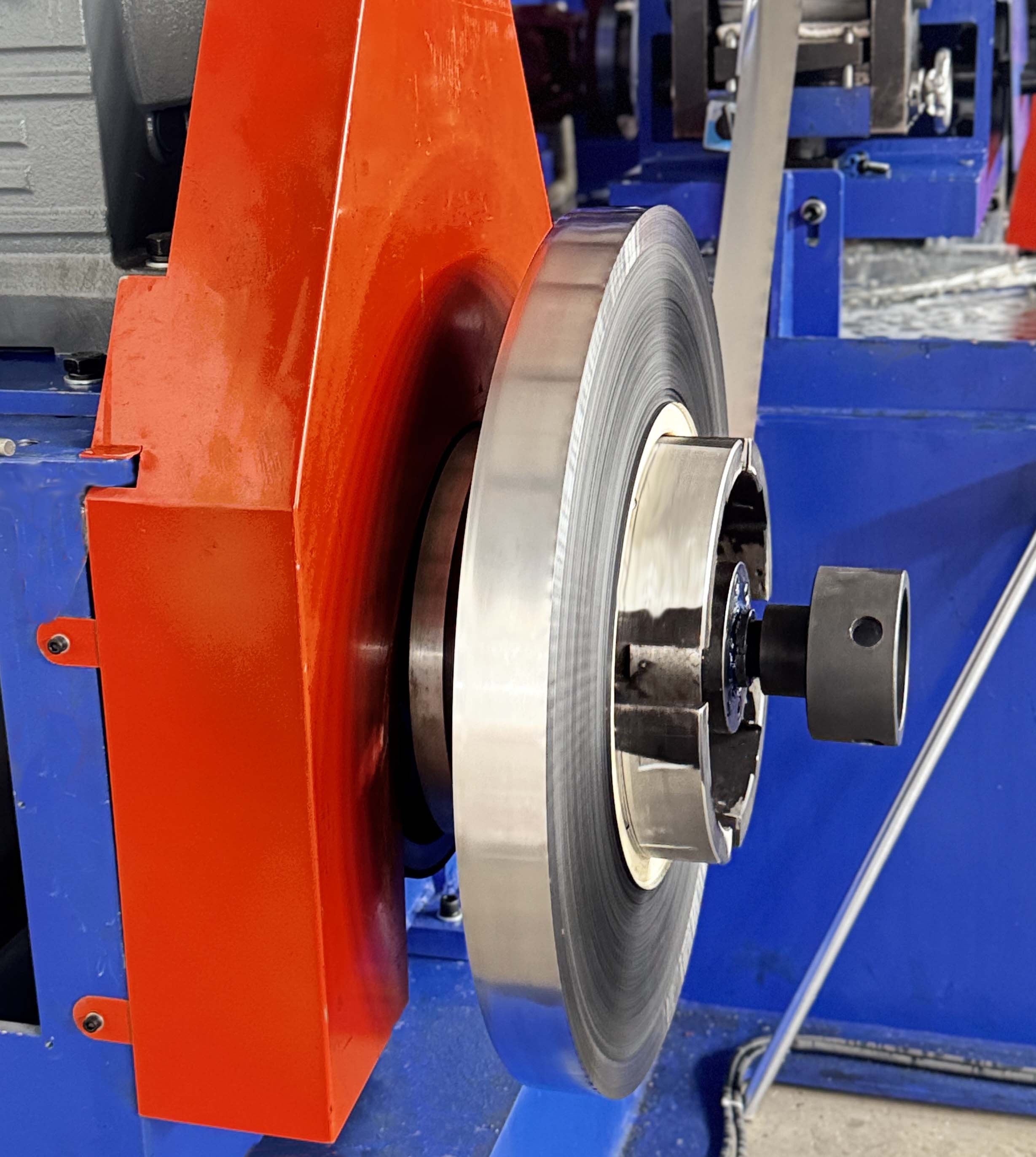
Modern manufacturing relies heavily on advanced rolling techniques to improve material quality, ensuring that metals like steel or aluminum exhibit enhanced strength, durability, and precise dimensional accuracy. By leveraging innovations such as controlled rolling and thermomechanical processing, industries can achieve tailored microstructures that reduce defects and optimize performance. This approach not only boosts the material's mechanical properties but also expands its applications in sectors like automotive and aerospace.
Beyond traditional methods, techniques like precision rolling and hybrid rolling systems have emerged to address specific challenges in material consistency. For instance, these advancements allow for better control over grain size and texture, leading to improved fatigue resistance and corrosion resistance. By integrating real-time monitoring and automation, manufacturers can fine-tune the rolling process, resulting in materials that meet stringent quality standards while minimizing waste and energy consumption.
The adoption of advanced rolling techniques represents a shift towards smarter, more sustainable production. Through continuous research and development, these methods are evolving to handle complex alloys and composite materials, offering superior flexibility and customization. Ultimately, this focus on enhancing material quality not only elevates product performance but also drives innovation across various industrial domains, setting new benchmarks for efficiency and reliability.
Implementing Energy-Saving Innovations for Cost Efficiency
Energy-saving innovations aren't just about reducing environmental impact—they're strategic moves that directly boost your bottom line. By integrating smart technologies like IoT sensors and AI-driven automation, businesses can pinpoint inefficiencies in real-time, optimizing everything from lighting to HVAC systems. This proactive approach slashes utility bills, often paying for itself within a few years through substantial cost savings.
Consider the shift towards renewable energy sources, such as solar panels or geothermal heat pumps, which offer long-term financial resilience. Unlike traditional power, these solutions stabilize energy expenses by cutting reliance on volatile market prices. Many companies also tap into government incentives or green financing options, turning upfront investments into manageable, value-adding assets over time.
Beyond equipment upgrades, fostering a culture of conservation amplifies savings. Simple practices, like encouraging employees to power down devices or implementing energy audits, compound benefits without heavy tech investments. This holistic strategy not only curtails operational costs but also enhances brand reputation, attracting eco-conscious customers and investors who value sustainable, cost-efficient operations.
Streamlining Operations with Automated Mill Controls
Automated mill controls are transforming industries by enabling seamless integration of machinery, minimizing manual interventions that often lead to errors and downtime. By leveraging advanced sensors and real-time data analysis, these systems optimize production flows, reduce waste, and enhance overall efficiency in both large-scale and niche manufacturing settings.
Unlike traditional methods that rely heavily on operator expertise, modern automated controls adapt dynamically to varying material properties and environmental conditions. This adaptability not only boosts throughput but also ensures consistent product quality while cutting operational costs through predictive maintenance and energy-saving features.
What sets contemporary solutions apart is their ability to integrate with broader enterprise systems, offering actionable insights for strategic decision-making and fostering a more agile operational framework that can quickly respond to market demands.
Reducing Downtime Through Predictive Maintenance Strategies
Predictive maintenance revolutionizes how industries tackle operational downtime by leveraging advanced technologies to anticipate equipment failures before they occur. Instead of relying on traditional reactive or scheduled methods, this approach uses data analytics, sensors, and machine learning to monitor asset health in real-time. For example, in manufacturing, vibration sensors might detect subtle anomalies in machinery, allowing technicians to intervene early and prevent costly breakdowns. This shift not only minimizes unexpected halts but also extends equipment lifespan, making operations more efficient and resilient.
What sets predictive maintenance apart is its ability to tailor interventions based on actual usage patterns rather than arbitrary timelines. By analyzing historical and live data, such as temperature fluctuations or energy consumption trends, companies can pinpoint when maintenance is truly needed. This precision reduces unnecessary inspections and part replacements, cutting costs while ensuring that critical systems remain online. In sectors like aviation or energy, where downtime can lead to significant safety risks and financial losses, this targeted approach is proving indispensable for maintaining continuous, reliable service.
Beyond immediate benefits, implementing predictive strategies fosters a proactive culture that prioritizes innovation and sustainability. Teams can focus on strategic improvements rather than firefighting emergencies, boosting morale and productivity. Moreover, by reducing waste from over-maintenance and preventing major failures, industries contribute to environmental goals through lower energy use and resource conservation. As technology evolves, adopting these methods will increasingly become a competitive advantage, helping businesses stay agile in a fast-paced market while ensuring smoother, uninterrupted operations.
Adapting to Market Demands with Flexible Rolling Processes
In today's fast-paced manufacturing landscape, staying ahead means having the agility to respond swiftly to shifting market needs. Flexible rolling processes allow manufacturers to adjust parameters on the fly, enabling quick transitions between different product specifications without extensive downtime. This adaptability translates directly into cost savings and enhanced customer satisfaction, as companies can cater to niche demands or sudden order changes with ease.
Beyond mere efficiency, innovative rolling techniques integrate real-time data analytics to predict and preempt market trends. By leveraging sensors and AI-driven insights, mills can fine-tune operations for optimal material properties, reducing waste and energy consumption. This proactive approach not only meets current demands but also anticipates future shifts, giving businesses a competitive edge in sustainability and quality control.
Moreover, the versatility of modern rolling systems fosters collaboration across industries, from automotive to aerospace, where custom alloys and tailored thicknesses are crucial. Companies that embrace this flexibility often report smoother supply chains and stronger partnerships, as they can deliver bespoke solutions that traditional, rigid processes might miss.
FAQ
Modern strip rolling mills feature advanced automation, precise thickness control, and integrated cooling systems, enabling high-quality output with minimal waste.
By leveraging real-time monitoring technologies and predictive maintenance, these mills reduce downtime and optimize production speeds, leading to significant cost savings.
Strip rolling mills are versatile, handling materials like steel, aluminum, copper, and alloys, catering to various industries from automotive to construction.
Common challenges include managing wear on rollers, ensuring consistent material properties, and adapting to fluctuating market demands for different thicknesses.
They incorporate energy-efficient drives and recycling of process fluids, reducing energy consumption and waste, which supports greener manufacturing practices.
Emerging trends include AI-driven process optimization and integration of IoT sensors, enhancing precision and enabling smarter, more adaptive production lines.
Conclusion
Strip rolling mills solutions focus on optimizing manufacturing efficiency by maximizing production output while enhancing material quality through advanced rolling techniques. By implementing energy-saving innovations, mills can achieve significant cost efficiency, reducing operational expenses without compromising performance. Additionally, streamlining operations with automated mill controls improves precision and speed, allowing for better adaptation to fluctuating market demands through flexible rolling processes.
These solutions also emphasize reducing downtime through predictive maintenance strategies, which proactively address equipment issues before they escalate, ensuring continuous operation. This holistic approach integrates various aspects, such as automated controls and adaptive processes, to create a robust system that boosts productivity and material standards. Ultimately, optimizing efficiency in strip rolling mills involves a balance of technological advancements, operational refinement, and strategic maintenance, leading to sustainable improvements in both output and quality.
Contact Us
Contact Person: Rayna
Email: [email protected]
Tel/WhatsApp: 86 -173 1474 6343
Website: https://www.grmrollingmill.com/