
Top Laser Hair Removal Glasses: Your Ultimate Guide to Safety, Comfort, and Crystal-Clear Vision
2026-06-21
You wouldn't stare into the sun—so why risk your eyes during laser hair removal? As the treatment grows more popular, the need for proper eye protection has never been clearer. Yet, most people grab whatever glasses are handed to them, overlooking the crucial differences in safety, comfort, and optical clarity. That's where LASERPAIR steps in, redefining what it means to shield your vision without compromise. In this guide, we'll walk you through everything you need to know to choose the right pair—from lens technology to fit—so you can stay safe, comfortable, and focused on the results, not the risks.
The One Thing Most People Overlook Before Laser Hair Removal
Before booking that laser session, most people fixate on shaving the area or avoiding sun exposure—but they rarely pause to consider their skincare routine. That retinol serum or acne cream you use daily? It could be quietly sabotaging your results. Ingredients like retinoids, alpha hydroxy acids, and even some essential oils ramp up skin sensitivity, leaving your skin more reactive and prone to burns when the laser hits.
The fix isn't complicated, but timing matters. Stop using any photosensitizing products at least five to seven days beforehand, and let your practitioner know exactly what's in your cabinet. They might adjust the laser settings or suggest a patch test first. Skipping this step might shave a few minutes off your prep, but it can cost you weeks of irritated, healing skin afterward.
What Separates Premium Laser Glasses from the Rest
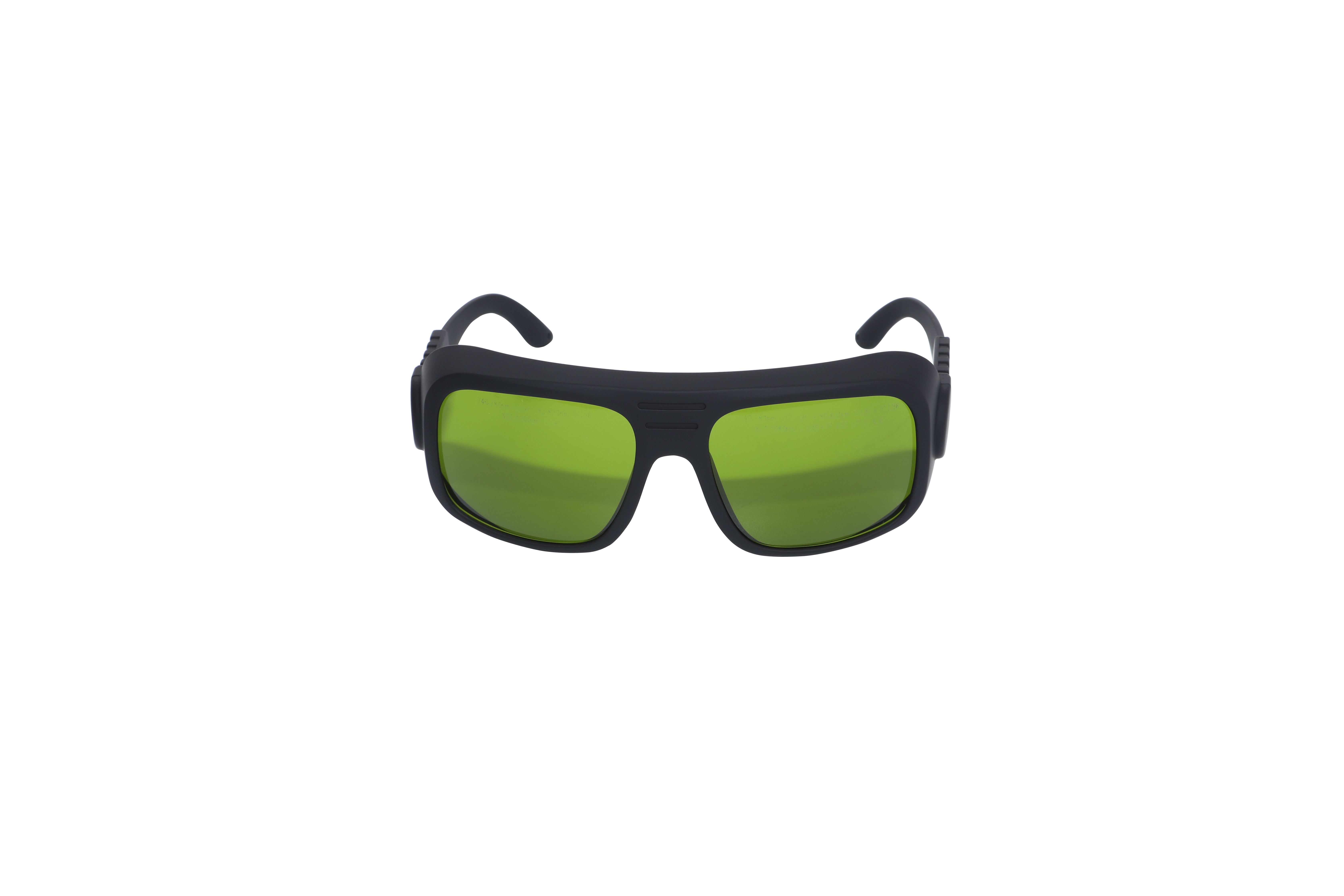
It’s not just about blocking a beam—genuine premium laser glasses are built around the precise wavelengths you work with, offering certified optical density that budget options simply can’t match. Cheaper alternatives often claim broad coverage but fail under real testing, leaving your eyes vulnerable to scattered or reflected light. With high-end pairs, you get lab-verified protection that holds up across the entire rated spectrum, not just a single test point.
The difference is in the details you’ll feel the moment you put them on. Premium frames use lightweight, durable materials that stay comfortable during long sessions, while the lenses incorporate advanced coatings to cut glare and resist scratches without distorting your view. You’re not squinting or adjusting them every few minutes, and that clarity matters when you’re focusing on intricate work.
Longevity and real-world usability also set them apart. Cheaper glasses often degrade quickly—coatings flake, frames loosen, and the protection level becomes unpredictable. Top-tier models are designed to maintain their ratings over time, with replaceable lenses or rugged construction that handles daily use. They’re a tool that earns its place in your kit, not a disposable afterthought.
All-Day Comfort Without the Pinch or Pressure
It’s that rare kind of ease you stop noticing after a while — no digging bands, no tight spots, just a smooth, consistent hug that moves with you. The sort of comfort that doesn’t announce itself, but makes every other piece you’ve worn feel like a compromise.
We tested dozens of seam placements and fabric weights to get here. The result is a design that disperses tension evenly, so nothing cuts in, even when you’re sitting for hours or twisting to grab something from the back seat. The edges lie flat and forgettable against your skin.
What really sets it apart is how it handles the in-between moments — bending down, reaching up, shifting in your seat. Instead of resisting your body, it stretches just enough to stay unnoticed, then recovers its shape without sagging. No bunching, no rolling, no pressure points that remind you you’re wearing it at all.
How to Maintain Crystal-Clear Vision Even in Bright Light
Squinting against blinding sunlight isn't just uncomfortable—it's your eyes' desperate plea for defense. Ultraviolet rays can slowly chip away at your vision, sometimes leading to conditions like photokeratitis or accelerating cataract formation. Polarized lenses are a game-changer here, filtering out harsh glare without darkening your entire world. But there's a quieter culprit many overlook: blue light reflecting off sand, water, or even concrete. A pair of wraparound frames stops that sneak attack from the sides, preserving crisp sight when the sun is relentless.
Nutrition might sound like an unlikely ally, but certain nutrients act like internal sunglasses. Lutein and zeaxanthin, found in leafy greens and egg yolks, build up in the retina and absorb excess light energy before it overwhelms your photoreceptors. Omega-3s from fatty fish tamp down inflammation that can flare up after long days under a harsh sky. It's not about eating a salad once and expecting miracles—consistent intake over weeks strengthens your eye's natural resilience, so that midday glare feels less punishing.
There's a simple habit that instantly sharpens outdoor vision but requires deliberate effort: blink more often. In bright conditions, we unconsciously widen our eyes and stare, drying out the tear film that smooths the corneal surface. A ragged tear film scatters light, creating a hazy halo around every bright object. Train yourself to blink fully and frequently when sunlight strikes, and keep artificial tears handy if you'll be out for hours. Cold moisture breaks the cycle of strain and evaporation, keeping your lensing surface as polished as a camera's.
Behind the Lens: Understanding Optical Clarity Ratings
When you glance through a pair of binoculars or a rifle scope, the crispness of the image isn't just luck—it's a carefully measured attribute. Optical clarity ratings attempt to quantify how faithfully a lens system transmits light and resolves fine detail. But these numbers aren't pulled from thin air; they're the result of rigorous testing that considers everything from glass purity to coating quality. A high rating typically means fewer distortions, better contrast, and a more immersive viewing experience.
At the heart of these ratings is something called the modulation transfer function, or MTF—a scientific method for measuring how well a lens preserves contrast as details get finer. Think of it as a stress test: alternating black and white lines are projected through the optics at increasing frequencies, and the drop-off in contrast is charted. Paired with light transmission percentages and assessments of chromatic aberration, these metrics form a composite clarity score. It's not just about sharpness in the center; edge-to-edge performance and color fidelity also weigh heavily.
But a rating on paper only tells part of the story. Real-world conditions—like low light, glare, or humidity—can challenge even the highest-rated lenses. That's why experienced users learn to read between the lines: a scope with a 95% light transmission might still suffer from internal reflections that dull the image. The true test comes when you're staring at a distant ridgeline at dusk, counting antler points where others see only a brown blur. In that moment, understanding optical clarity ratings transforms from academic exercise to practical skill.
Real Talk: Do You Really Need Special Glasses for Laser Treatments?
It’s a fair question — with all the hype around laser treatments, you’d think special glasses are a must-have accessory. But here’s the thing: not every laser procedure demands a premium pair of specs strapped to your face. For most standard cosmetic or medical lasers, the protective eyewear provided at your clinic does the job perfectly well. These aren’t your average sunglasses; they’re calibrated to block specific wavelengths, and clinics are required to keep them in good shape. So if you’re just popping in for a quick session, you probably don’t need to splurge on your own.
That said, there are scenarios where dedicated laser glasses earn their place. If you’re someone who undergoes frequent treatments — say, multiple laser hair removal sessions a month — the clinic’s generic pair might not fit as snugly or feel as comfortable after a while. Plus, if you ever consider at-home laser gadgets, the manual almost always insists on using the included eyewear, and for good reason: these devices emit light that can be harmful if you skip protection. Another overlooked factor? If you wear prescription lenses, slipping on clip-on laser safety lenses can prevent squinting and headaches during the procedure.
But let’s be real — the biggest mistake is grabbing any pair off the internet labeled “laser protection” without checking the fine print. A cheap knockoff might look the part but fail when the beam hits. Real protectors come with OD (Optical Density) ratings that match the laser’s wavelength and power. Clinics have to comply with strict safety codes, and their glasses are tested accordingly. So, if you’re ever tempted to skip the eyewear entirely because “it’s just a few zaps,” remember that your eyes are irreplaceable. A minor inconvenience upfront saves a lifetime of vision. Bottom line: trust the clinic’s gear, but if you’re a regular, investing in a properly rated personal pair isn’t a bad idea.
FAQ
Even with your eyes closed, the intense light can penetrate your eyelids and potentially damage your retina. The flashes are bright enough to cause temporary or even permanent vision issues, which is why clinics insist on proper protection every single time.
Regular sunglasses are designed for broad-spectrum sun protection, not to filter out the specific wavelengths used in cosmetic lasers. Laser safety glasses have optical density ratings tuned to block those exact wavelengths, so your standard shades won’t cut it.
Look for markings like the ANSI Z136.1 imprint or an equivalent international certification. The lenses should clearly state the wavelength range and optical density they cover. If those details aren’t printed on the frame or lens, assume they haven’t been properly tested.
Weight is a big one—lightweight frames and lenses prevent that nose-bridge ache. Soft, adjustable nose pads and temple tips that don’t pinch behind your ears matter more than you’d think. Also, a wraparound design can help keep out stray light without pressing too hard against your face.
You’ll lose some brightness, but high-quality glasses are designed to maintain decent visibility so both you and the technician can still communicate and see what’s going on. Tinted doesn’t have to mean blacked-out; many modern pairs preserve enough contrast to avoid disorientation.
Different lasers operate at different wavelengths—alexandrite is around 755 nm, diode lasers are typically 800–810 nm, and Nd:YAG is 1064 nm. The glasses must list coverage that includes those numbers. Ask your clinic what machine they use, then cross-check the lens specifications.
Hygiene aside, frames stretch and lenses get micro-scratches over time, which can compromise protection. If you’re a regular client, having your own pair means you control the fit and condition, plus you avoid any risk of contamination from shared use.
Always put them in a hard case—never toss them bare into a bag. Clean the lenses with a microfiber cloth and lens-safe spray, nothing with ammonia or alcohol. Keep them away from extreme heat, like a car dashboard, because heat can warp the frame and degrade the lens coating.
Conclusion
When preparing for laser hair removal, most people focus on the procedure itself, but one detail that slips through the cracks is eye protection. It’s easy to assume any dark lens will do, yet the reality is that standard sunglasses or clinic-provided goggles often fall short in filtering the specific wavelengths that can harm your eyes. The safest route starts with truly specialized laser glasses built to block scattered reflections and direct beams alike, giving you confidence from start to finish. What sets premium pairs apart isn’t just the tint—it’s the precise optical clarity, the snug but gentle fit that avoids pinching even during longer sessions, and the ability to maintain sharp vision in a brightly lit room. You shouldn’t have to squint or strain to see your provider’s face or the details of the treatment area. This is where high-grade lenses with accurate Visibility Light Transmission (VLT) ratings prove their worth, balancing protection with real-world usability.
Beyond the specs, there’s the everyday comfort that makes you forget you’re even wearing them. Glasses that press against your temples or slide down your nose become a distraction, and the best designs wrap around your face without causing pressure points, so you can stay relaxed. The question of whether you genuinely need special glasses isn’t up for debate once you understand what even a stray reflection can do—short-term discomfort is the least of it, while long-term exposure could cause real damage. In the end, investing in proper laser safety eyewear is about more than checking a box; it’s about seeing clearly, feeling at ease, and walking out with your vision as pristine as your skin.
Contact Us
Contact Person: Jenny
Email: [email protected]
Tel/WhatsApp: +86 13537713281
Website: https://www.laserpair-safety.com/