
Top OLED Display Modules: Revolutionizing Visual Technology with Cutting-Edge Innovations
2026-04-03
Welcome to the future of visual technology, where innovation meets brilliance on every screen. At Jingda-Display, we're not just witnessing this revolution — we're leading it, pushing the boundaries of what's possible with top OLED display modules. These cutting-edge marvels are transforming industries, from smartphones to automotive dashboards, offering unparalleled clarity, vibrant colors, and energy efficiency. But what sets them apart? From groundbreaking pixel designs to advanced manufacturing techniques, the innovations behind OLED are as fascinating as their visual impact. In this blog, we'll dive deep into how these modules are reshaping our digital world and why Jingda-Display stands at the forefront of this exciting journey. Let's explore the technology that's lighting up our lives.
What Makes OLED Technology a Game-Changer for Modern Devices
OLED technology stands out by eliminating the need for a backlight, which allows each individual pixel to emit its own light. This fundamental difference makes devices thinner, lighter, and more flexible, enabling sleek designs like foldable smartphones and rollable TVs that were once deemed futuristic. Unlike traditional LCDs, OLED screens offer true blacks by turning off pixels completely, resulting in stunning contrast ratios that enhance visual experiences in everything from gaming monitors to high-end televisions.
Beyond aesthetics, OLED's faster response times and superior color accuracy cater to fast-paced applications, such as virtual reality headsets and professional photo editing tools, where every millisecond and hue matters. Its energy efficiency also shines in portable gadgets, as darker scenes consume less power, extending battery life in smartphones and tablets. This combination of performance and sustainability makes OLED not just an upgrade, but a transformative force in how we interact with technology daily.
Moreover, the adaptability of OLED panels has spurred innovation in unconventional form factors, from transparent displays in automotive dashboards to curved screens in wearable tech. By offering enhanced durability and reduced eye strain with features like pixel-level dimming, it addresses both practical concerns and user comfort. As manufacturers continue to push boundaries, OLED's role in shaping immersive, eco-friendly, and versatile devices cements its status as a genuine game-changer in the modern tech landscape.
Innovations Driving the Latest OLED Display Enhancements
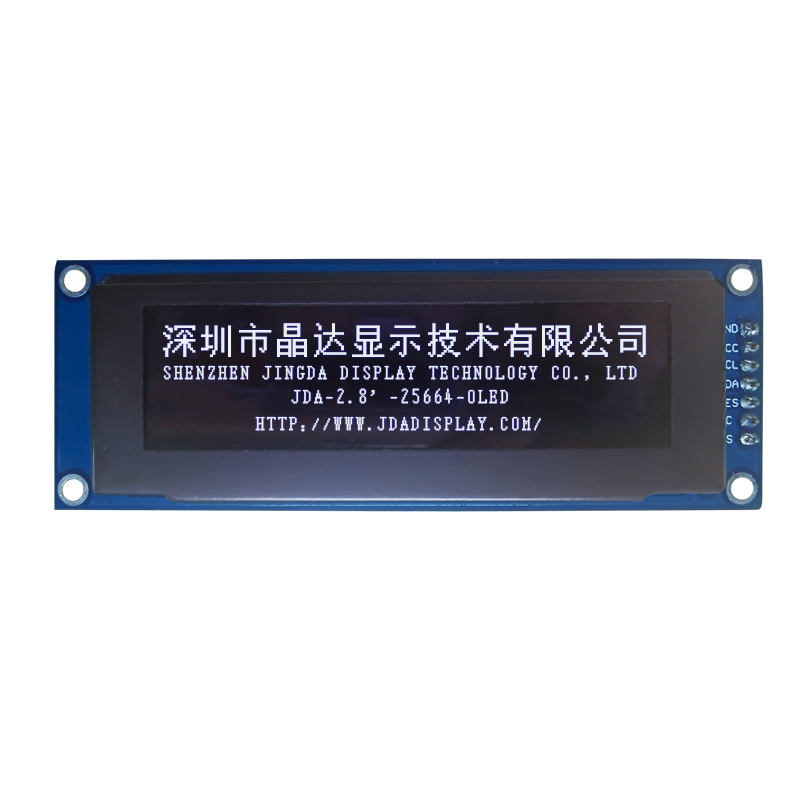
Recent advancements in OLED technology are reshaping how we experience visual media, with breakthroughs like micro-lens arrays dramatically boosting light efficiency. By strategically positioning tiny lenses over each pixel, these arrays direct nearly all emitted light forward, minimizing wasted side emissions. This innovation not only ramps up brightness levels without increasing power draw but also sharpens contrast ratios, making images pop with vibrant hues and deep blacks even in brightly lit rooms. For users, this translates to more immersive viewing on everything from smartphones to large-scale TVs, all while conserving battery life and energy consumption.
Another key innovation is the integration of blue phosphorescent materials, which has long been a bottleneck in OLED development due to their tendency to degrade quickly. Recent breakthroughs have introduced more stable blue emitters that extend the lifespan of displays while maintaining color accuracy. This leap forward allows manufacturers to produce thinner, more flexible screens that are less prone to burn-in, a common concern with earlier OLED models. As a result, devices like foldable phones and rollable TVs are becoming more durable and practical, offering users unprecedented design possibilities without compromising on quality.
On the manufacturing front, advanced inkjet printing techniques are enabling more precise deposition of organic layers, leading to higher resolutions and finer pixel densities. This method reduces material waste and production costs, paving the way for affordable, high-performance OLED displays in a wider range of products. From gaming monitors with faster response times to automotive dashboards that adapt to different lighting conditions, these innovations are driving sharper, more responsive visuals that adapt seamlessly to real-world environments, enhancing both utility and aesthetics across various applications.
How OLED Modules Are Transforming User Experiences
OLED modules are revolutionizing user experiences by offering unparalleled visual quality and flexibility. Unlike traditional displays, they provide true blacks and vibrant colors, enhancing everything from smartphones to automotive dashboards with immersive clarity. This leap in technology isn't just about aesthetics; it allows for thinner, more energy-efficient designs that open up new possibilities in consumer electronics and beyond.
The transformative impact extends to interactive devices, where OLEDs enable faster response times and wider viewing angles, making interfaces feel more responsive and engaging. In wearable tech and foldable screens, these modules support innovative form factors that adapt to user needs, blending seamlessly into daily life without compromising on performance. This adaptability is key to creating personalized experiences that feel intuitive and futuristic.
From enhancing real-world applications to shaping future trends, OLED modules are redefining how we interact with technology, making displays not just a functional component but a central part of the user experience. Their evolution continues to push boundaries, ensuring that the next generation of devices will feel more intuitive, engaging, and visually stunning than ever before.
Key Advantages of Top OLED Display Solutions Over Alternatives
When it comes to visual technology, top-tier OLED displays stand out by offering unmatched color accuracy and deep blacks that make images pop with vibrant realism. Unlike LCD alternatives that rely on backlights, OLEDs use self-emissive pixels, allowing each one to turn off completely for true black levels and infinite contrast ratios. This not only enhances viewing experiences in dark rooms but also reduces eye strain, making these displays a favorite among professionals and entertainment enthusiasts alike.
Another key edge of premium OLED solutions is their thinner, more flexible designs, which enable sleek, modern devices without sacrificing performance. You'll find them in everything from curved smartphones to ultra-thin TVs, where their lightweight nature and energy efficiency shine—consuming less power when displaying darker scenes compared to always-on backlit screens. This adaptability supports innovative form factors that alternatives often can't match, driving forward trends in consumer electronics and beyond.
Beyond aesthetics and versatility, top OLED displays excel in response times and durability, offering smoother motion handling and less motion blur for fast-paced content like gaming or sports. They're also less prone to issues like burn-in with advanced technologies, ensuring longevity that rivals or surpasses other options. As a result, they deliver a future-proof investment, blending cutting-edge visuals with practical benefits that set them apart in a crowded market.
Real-World Applications and Future Trends in OLED Use
OLED technology has seamlessly woven itself into everyday life, with vibrant displays in smartphones, televisions, and smartwatches offering richer colors and deeper blacks than traditional LCDs. Beyond consumer gadgets, it's making waves in automotive dashboards, enhancing driver interfaces with flexible, curved screens that blend into vehicle designs. In lighting, OLED panels provide soft, glare-free illumination for architectural and artistic installations, where their thinness and flexibility allow for creative, energy-efficient solutions that transform spaces with ambient light.
Looking ahead, the future of OLEDs is brimming with innovation, driven by advances in flexible and transparent displays. Expect foldable smartphones to become more durable and affordable, while rollable TVs could redefine home entertainment with on-demand screen sizes. In healthcare, transparent OLEDs might integrate into surgical tools or medical monitors, offering real-time data overlays without obstructing views. Additionally, the push for sustainability could lead to more eco-friendly materials and longer lifespans, reducing electronic waste and broadening adoption in sectors like retail displays and wearable tech.
Emerging trends also point toward niche applications, such as OLED-based smart fabrics for wearable electronics that monitor health or change patterns, and micro-displays for augmented reality glasses, providing immersive, high-resolution visuals. As research into quantum dots and hybrid technologies progresses, we might see OLEDs merge with other innovations to create even more efficient, vibrant displays. This evolution promises not just better gadgets, but transformative experiences across industries, from education to entertainment, making OLEDs a cornerstone of tomorrow's digital landscape.
Choosing the Right OLED Display for Your Project Needs
When diving into your latest electronics project, selecting the perfect OLED display can make or break the user experience. It's not just about picking the brightest or largest screen; instead, consider factors like whether your design requires vibrant colors for visuals or crisp monochrome for data readability. Subtle aspects such as viewing angles in portable devices or power consumption in battery-operated setups often influence performance more than you might initially think.
Beyond basic specs, tailor your choice by matching the display's interface type—SPI or I2C—with your microcontroller's capabilities. A mismatch here can lead to frustrating integration hurdles. For example, if you're prototyping a compact wearable, a small OLED with low power draw might trump a feature-rich model that drains resources quickly, ensuring your project stays efficient and responsive.
Practical testing in real-world conditions is key; don't rely solely on datasheet numbers. Place your candidate displays in varied lighting or temperature scenarios to see how they hold up. This hands-on approach helps avoid surprises, like a screen that fades in sunlight or becomes sluggish in the cold, making your final selection both reliable and uniquely suited to your specific application demands.
FAQ
OLED display modules stand out due to their self-emissive pixels, which eliminate the need for a backlight, resulting in superior contrast ratios, deeper blacks, and more vibrant colors compared to traditional LCD screens.
Top OLED modules are revolutionizing industries like automotive and healthcare by enabling flexible, curved displays for car dashboards and high-resolution, low-power screens for medical devices, enhancing functionality and user experience.
Cutting-edge innovations include advancements in materials like quantum dots for improved color gamut, ultra-thin and foldable designs for portability, and improved longevity through better encapsulation techniques to prevent burn-in.
Yes, OLED displays are highly effective in wearable technology due to their low power consumption, lightweight nature, and ability to produce bright, clear images on small, flexible screens, making them ideal for smartwatches and fitness trackers.
OLED display modules offer environmental benefits by consuming less energy than backlit displays, reducing carbon footprint, and using fewer toxic materials in production, aligning with sustainability goals in tech manufacturing.
Top OLED modules enhance user interaction through faster response times, enabling smoother touchscreens and motion graphics, and by offering higher brightness and wider viewing angles for better visibility in various lighting conditions.
Conclusion
Top OLED display modules are leading a revolution in visual technology, driven by cutting-edge innovations that set them apart as game-changers for modern devices. What makes OLED technology transformative is its ability to deliver unparalleled contrast ratios, vibrant colors, and true blacks by emitting light directly from each pixel, unlike traditional LCDs. This fundamental advantage, combined with flexibility and thinness, enables sleek designs and enhanced user experiences across smartphones, TVs, and wearables. Innovations in materials and manufacturing processes are pushing the boundaries further, improving efficiency and scalability. As these modules integrate into various applications, they offer key benefits over alternatives, such as lower power consumption and faster response times, making them ideal for high-performance needs.
In real-world use, OLED modules are transforming industries from automotive displays to medical devices, with future trends pointing toward rollable screens and augmented reality integration. When choosing the right OLED display for a project, factors like resolution, durability, and cost-effectiveness must be considered to match specific requirements. By leveraging these advancements, top OLED solutions not only enhance visual quality but also open new possibilities for interactive and immersive technology, ensuring they remain at the forefront of innovation in an increasingly digital world.
Contact Us
Contact Person: Vincent
Email: [email protected]
Tel/WhatsApp: 86 135 5485 1379
Website: https://www.jda-display.com/