Top Preserved Flower Arrangements for Timeless Home Decor
2026-09-04
Some flowers fade before you’ve really noticed them. Preserved arrangements flip that script—they stay vivid for years, quietly changing the feel of a room without demanding water, light, or fuss. We’ve lived with enough of them to know what actually works, and at PHLEEYA, we keep coming back to a handful of styles that feel both current and enduring. This list isn’t about trends that’ll date your space by next season; it’s about pieces that settle in, soften hard corners, and make a home feel finished. Here are the preserved flower arrangements we’d choose again and again.
Everlasting Blooms That Outlast Trends
Some flowers never ask for permission to stay relevant. Peonies, ranunculus, garden roses, and dried lunaria have been tucked into bouquets long before social media decided what was beautiful. Their appeal isn't tied to a color of the year or a fleeting styling trick; it comes from texture, scent, and the way they hold up in a vase after the trend cycle has moved on.
What makes a bloom truly timeless often has less to do with rarity and more to do with resilience. Sturdy stems, layered petals that open gradually, and colors that play well with both modern and classic interiors give certain varieties a quiet staying power. They look just as at home in a handwritten wedding arrangement as they do on a kitchen table, which is exactly why they keep showing up decade after decade.
When you stop chasing what's new, you start noticing the flowers that have always worked. A handful of white lisianthus, a few stems of dried grasses, or a single branch of quince can carry a room without needing a trend to validate it. These are the blooms that outlast the noise—the ones you reach for when you want something to feel right, not just current.
Nature's Palette, Minus the Fade
There's a quiet kind of magic in watching color rise from a simmering pot of marigold petals or crushed cochineal. The hues that emerge feel alive—sunlit yellow, deep carmine, the soft green of sage leaves. Yet almost as soon as they touch cloth, they begin their slow retreat. Light, sweat, and a single wash can leach the vibrancy away.
The trick to holding nature's palette in place isn't to fight its chemistry, but to work with it. Mordants like alum or iron act as molecular bridges, locking plant pigments onto fibers. Pre-treating cotton or linen with tannin-rich baths creates a grip that resists fading, while post-dye rinses with vinegar or salt help set the color further. The result is a fabric that keeps its botanical blush for years.
What makes this approach distinct is that it doesn't rely on synthetic fixatives or harsh bleaches to maintain brightness. Instead, it leans into the very materials that cause fading—minerals, pH shifts, and natural tannins—to create a stable bond. A madder-dyed scarf now ages like autumn leaves, not like a forgotten receipt.
Sculptural Centerpieces for Low-Maintenance Living
A well-chosen sculptural object can do the heavy lifting on a coffee table or entry console without ever needing water, pruning, or a second thought. Look for pieces with strong silhouettes—carved travertine, hammered brass, rough ceramic, or a single twist of driftwood mounted on a steel base. The goal isn't decoration; it's presence. One substantial form often outperforms a cluster of smaller items, especially when you want the surface to feel curated but not cluttered.
Scale matters more than theme. A low, wide bowl with an asymmetrical rim can hold nothing but air and still anchor the room. A tall, narrow stone obelisk draws the eye upward in a hallway. These objects don't require seasonal swaps or special lighting. They hold their shape through dusty weeks and busy schedules, which is exactly what low-maintenance living asks for.
When choosing, favor materials with natural variation—raw edge stone, unglazed clay, oxidized metal. These surfaces age gracefully and hide fingerprints and dust better than glass or glossy finishes. Place one sculptural piece where hands naturally rest or eyes land: the center of a dining table, a mantel corner, or the middle of a bench. Then let it sit. The point is that it works for you, not the other way around.
Vintage Charm Meets Contemporary Spaces
There’s a quiet magic in pairing a timeworn leather armchair with the clean lines of a modern loft. When vintage pieces land in contemporary rooms, they don’t just fill space—they tell a story that white walls and minimalist sofas never could. The contrast itself is what draws the eye: rough-hewn timber against polished concrete, a mid-century lamp casting warmth onto a glossy kitchen island.
But pulling this off isn’t about cramming antiques into every corner. The trick is restraint. Pick one or two objects with genuine patina—a brass floor lamp, a faded Persian rug, a solid oak sideboard—and let them breathe against uncluttered backdrops. Modern spaces work best as a quiet stage; too much vintage noise and the charm curdles into clutter. Instead, leave negative space so each relic can hold its own.
Done right, the room feels collected over time rather than decorated in a weekend. You get the warmth and character of old-world craftsmanship without sacrificing the airy ease of contemporary living. It’s a balance that never goes out of style, precisely because it refuses to follow one.
Colors That Hold Their Own Through Every Season
Some shades simply refuse to be boxed into a single season. Take olive green, for instance—it feels as natural paired with a linen shirt in July as it does tucked under a wool overcoat in January. The trick isn't chasing novelty, but leaning on colors that carry a certain muted depth. Navy, burgundy, and oatmeal all share this quiet versatility, shifting their mood with the fabrics and layers around them.
What makes these colors stick is their ability to disappear into the background when needed, then re-emerge with a change of texture or tone. A rust-toned knit in autumn can read almost terracotta, while the same hue in a lightweight cotton reads more burnt sienna come spring. They don't shout for attention, yet they never feel dated—just reliably present, like a well-worn leather bag or the underside of a favorite mug.
Handcrafted Texture and Whimsy, Stem by Stem
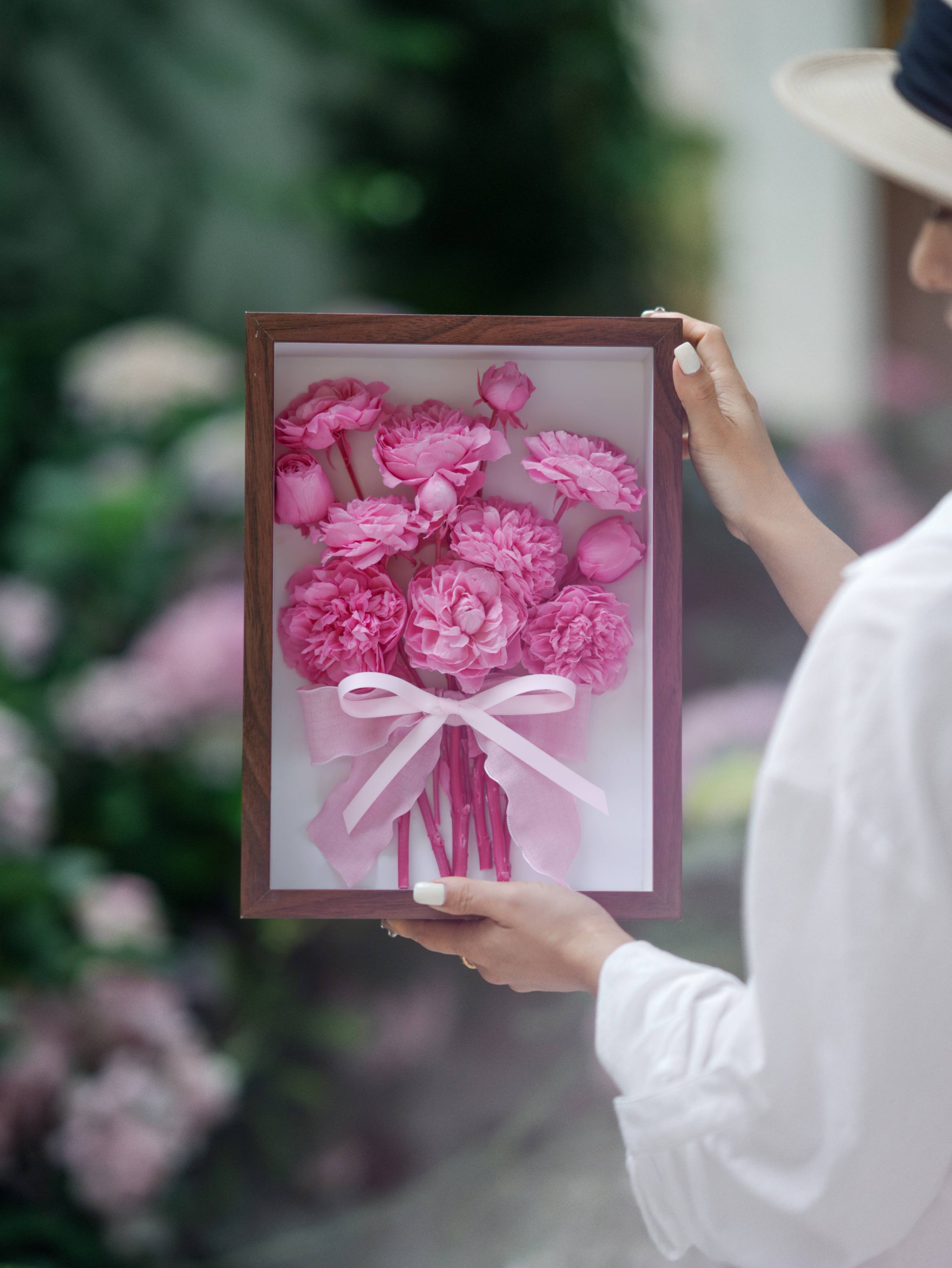
The first thing you notice is how each petal carries its own slight irregularity—a soft crinkle here, a gentle curl there. These aren’t machine-stamped clones. Every stem is shaped by hand, so no two bends or folds quite match. That subtle unevenness is what gives the arrangement its lived-in charm, as if the flowers were gathered from a garden rather than arranged on a shelf.
Whimsy shows up in the small choices: a leaf turned slightly inward, a bud that leans away from the cluster, a stem that arcs with a bit more play than you’d expect. The handcrafted process leaves room for these happy accidents. Instead of a stiff, symmetrical form, you get a composition that feels spontaneous but still composed—like a quick sketch that somehow lands perfectly.
Working stem by stem also means each piece can be positioned to catch light differently. The texture isn’t just visual; it invites a closer look, and maybe a light touch. Run a finger along a petal’s edge and you’ll feel the faint ridges left by careful shaping. That tactile quality is what turns a simple decorative piece into something that feels personal, even a little magical.
FAQ
Preserved flowers go through a process where the natural sap and water are replaced with a plant-based glycerin solution. This keeps the petals soft and flexible while halting decay, so they can hold their shape and color for months or even years without any watering or sunlight.
For a clean, minimalist look, stick to single-variety arrangements in neutral tones. Preserved roses, hydrangeas, or pampas grass in white, blush, or beige work beautifully. Pair them with a simple glass vase or a matte ceramic container and skip any extra filler foliage.
Keep them out of direct sunlight and away from humid areas like bathrooms or kitchens. Dust them gently with a soft brush or use a hairdryer on the cool, low setting. Never water them or mist them, and avoid touching the petals too often since the oils from your skin can affect their texture.
Most preserved flowers are non-toxic, but some may be treated with dyes or fixatives that could irritate a curious pet. It is always safest to place arrangements out of reach of cats and dogs, and if you are unsure about the specific preservation process, ask the florist before buying.
Absolutely. Many florists and online shops let you choose the flower types, colors, and container style. Whether you want a rustic farmhouse feel with wheat and lavender or a modern glam look with deep red roses and gold accents, a custom arrangement can match your exact theme.
Dried flowers are usually air-dried or hung upside down, which makes them brittle and prone to fading. Preserved flowers undergo a chemical treatment that replaces moisture with glycerin, so they stay supple and retain more of their original color. Preserved flowers look closer to fresh blooms, while dried flowers have a more rustic, weathered charm.
Preserved roses are the top choice because they hold their shape incredibly well. Hydrangeas, eucalyptus, lavender, and baby's breath are also favorites for centerpieces since they maintain their volume and add texture without shedding much. Mixing a few of these creates a balanced, long-lasting display.
Most preserved arrangements lose their natural fragrance during the preservation process, though some may have a faint earthy smell. If you want a scented display, you can add a few drops of essential oil to the base of the arrangement or choose preserved lavender, which sometimes keeps a light, pleasant aroma.
Conclusion
Preserved flower arrangements have quietly moved past the fleeting trends of fresh bouquets, offering something closer to quiet architecture for a room. Instead of drooping petals and cloudy water, you get stems that keep their shape and hue for years, not days. A sculptural centerpiece of bleached ruscus and cream roses, for example, reads as intentional and calm on a dining table, while a cluster of burgundy amaranth and dried grasses brings a vintage undertone to a stark modern shelf. The colors don't retreat with the seasons—muted terracotta, sage, and ochre hold steady from January through December, blending nature's palette with the low-maintenance ease of objects that never need watering, trimming, or replacing.
What makes these arrangements feel handmade rather than manufactured is the visible texture and slight irregularity: a curly willow branch bending left instead of right, a few stems of bunny tails tucked beside a preserved hydrangea. That handcrafted whimsy, stem by stem, lets a piece carry the warmth of a garden without demanding garden-level care. In a corner that gets no sunlight or a hallway with no outlets for grow lights, preserved blooms still manage to soften hard edges and echo vintage charm while sitting comfortably in contemporary spaces. They hold their own through every season, not by shouting for attention, but by staying exactly as they are—quiet, colorful, and unapologetically permanent.
Contact Us
Contact Person: Mr. Luo
Email: [email protected]
Tel/WhatsApp: 86 18100895505
Website: https://www.feiliyaflowers.com/en/