
Ultimate Guide to Top Pipe Bending Machine Manufacturing for Industrial Efficiency
2026-01-18
In the fast-paced world of industrial manufacturing, efficiency isn't just a goal—it's the heartbeat of productivity. When it comes to pipe bending, the right machinery can transform complex projects into seamless operations, cutting downtime and boosting output. This guide dives deep into the essentials of top pipe bending machine manufacturing, offering insights that cater to both seasoned engineers and industry newcomers. At JIAN MENG, we understand that precision and reliability are non-negotiables in this field. Our expertise isn't just about building machines; it's about crafting solutions that enhance your workflow. Whether you're optimizing an existing setup or exploring new technologies, this blog will unveil key strategies and innovations to help you stay ahead. Ready to elevate your industrial efficiency? Let's explore what sets the best apart.
Understanding the Core Technologies Behind Modern Pipe Bending Machines
Modern pipe bending machines rely heavily on advanced CNC (Computer Numerical Control) systems that allow for precise, automated operations. These systems enable operators to input complex bending parameters, such as angles and radii, directly into software, reducing human error and increasing efficiency. The integration of servo motors and hydraulics ensures smooth, controlled movements, making it possible to handle diverse materials from soft copper to tough stainless steel.
Another key technology is the use of mandrels and wiper dies, which prevent wrinkles and distortions during bending. By supporting the inner wall of the pipe, these components maintain structural integrity, especially in thin-walled or large-diameter applications. Innovations like quick-change tooling have further sped up setup times, allowing factories to switch between job types seamlessly and boosting overall productivity.
Looking ahead, smart sensors and IoT connectivity are transforming these machines into intelligent systems. Real-time monitoring of factors like temperature and pressure helps predict maintenance needs, minimizing downtime. This blend of mechanical precision and digital oversight not only enhances performance but also supports sustainable manufacturing by reducing waste and energy consumption.
Key Features to Look for in High-Efficiency Pipe Bending Equipment
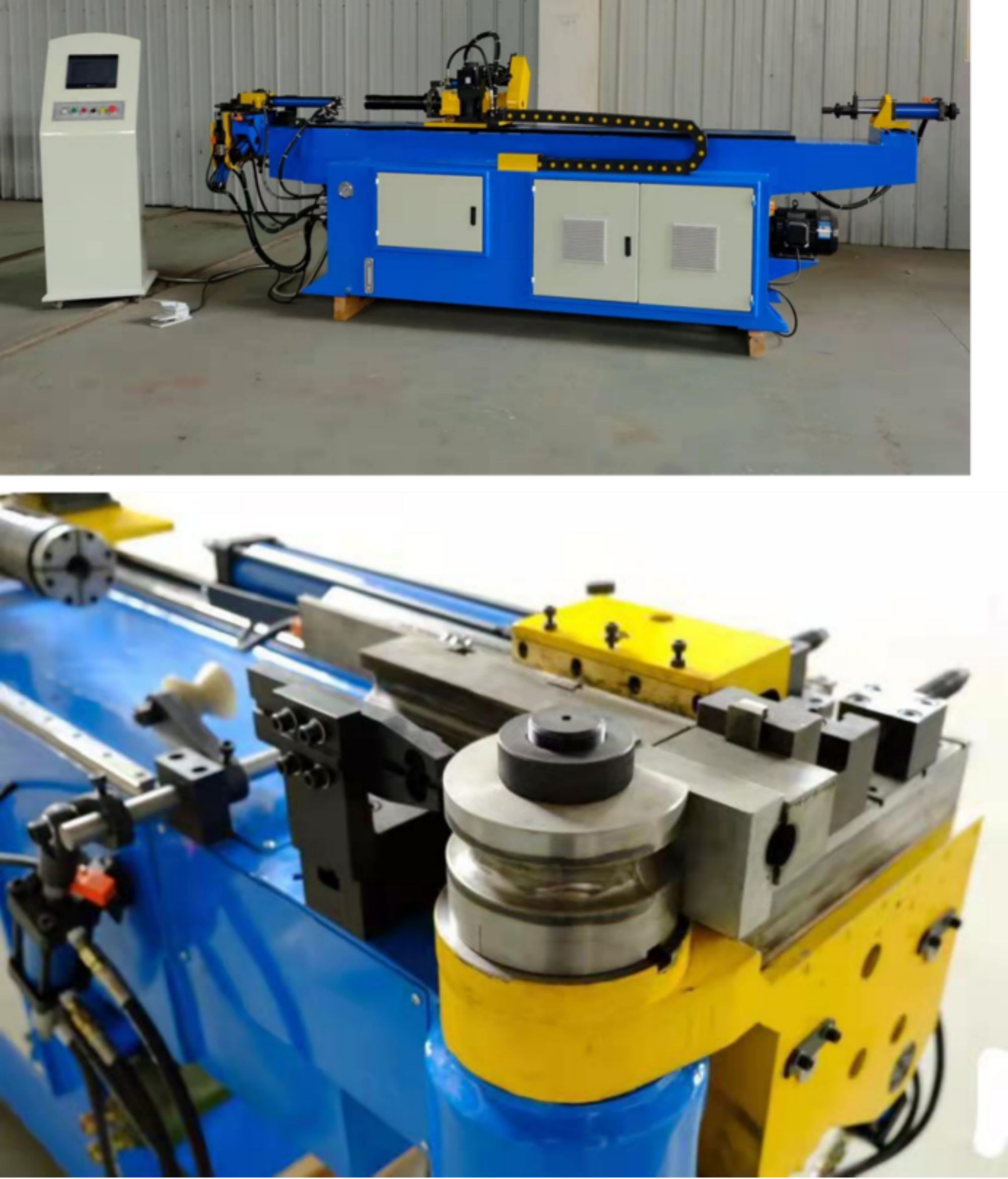
When evaluating pipe bending machines, precision and speed are critical factors that directly impact productivity. High-efficiency models often incorporate advanced CNC controls, which allow for seamless programming of complex bends with minimal manual intervention. This not only reduces setup times but also ensures consistent results across multiple projects, making it ideal for industries where repeatability is paramount.
Durability and material versatility are also essential features to consider. Look for equipment with robust construction, such as reinforced frames and high-quality hydraulics, that can withstand heavy-duty use without frequent breakdowns. Additionally, the ability to handle various materials—from stainless steel to aluminum—expands the machine's applicability, enabling it to tackle a wide range of fabrication tasks without compromising on performance.
Finally, user-friendly interfaces and safety mechanisms enhance overall efficiency by minimizing errors and reducing operator fatigue. Features like touch-screen displays, automatic tool changers, and integrated safety guards streamline operations, allowing even less-experienced personnel to achieve professional-grade bends quickly. Investing in such equipment not only boosts output but also lowers long-term maintenance costs, providing a competitive edge in fast-paced manufacturing environments.
How to Integrate Pipe Bending Machines into Your Industrial Workflow
Bringing pipe bending machines into your existing industrial setup can dramatically streamline production processes, but it requires thoughtful planning to avoid disruptions. Start by evaluating your current workflow to pinpoint bottlenecks where these machines could boost efficiency, such as in fabrication or assembly lines dealing with complex piping systems. This step ensures seamless integration without compromising ongoing operations.
Once you've identified key areas, focus on training your team to handle the new equipment effectively. Invest in hands-on sessions that cover machine operation, safety protocols, and maintenance routines, tailored to your specific industrial needs. This approach not only maximizes productivity but also builds confidence among operators, leading to smoother adoption and fewer errors on the shop floor.
To sustain long-term benefits, establish a feedback loop where workers can report issues or suggest improvements based on their daily experiences with the pipe bending machines. Regular assessments of performance metrics, like production speed and material waste, will help fine-tune integration over time, ensuring your workflow remains agile and competitive in the evolving industrial landscape.
Maintenance Practices for Sustaining Peak Performance in Bending Operations
Keeping bending operations running smoothly isn't just about luck—it's a deliberate, ongoing commitment. Regular checks should be woven into the daily workflow, like inspecting hydraulic systems for leaks and ensuring alignment tools are spot-on. A quick glance at the machine before each shift can catch small issues before they spiral into major downtime. Think of it as giving your equipment a little TLC; it pays off in consistent, high-quality bends every time.
Another key is not waiting for breakdowns to happen. Predictive maintenance, using sensors to monitor wear on dies or vibrations in the frame, helps spot trouble early. This proactive approach means swapping out parts before they fail, keeping the line moving without unexpected halts. It's the difference between scrambling to fix a problem and having a plan in place to prevent it—a real game-changer for efficiency.
Lastly, don't overlook the human element. Regular training for operators on proper setup and cleaning routines ensures they're part of the maintenance team. When everyone knows how to spot signs of wear or adjust settings correctly, you build a culture of care that sustains peak performance longer. It's all about blending smart tech with skilled hands to keep bending operations in top shape.
Innovations Driving the Future of Pipe Bending in Manufacturing
Traditional pipe bending has long relied on manual labor and basic machinery, but recent advancements are revolutionizing this critical manufacturing process. Sophisticated robotic systems now handle complex curves with pinpoint precision, reducing human error and boosting efficiency. These innovations integrate seamlessly with digital design tools, allowing engineers to program bends directly from 3D models, which means faster prototyping and fewer material waste.
A key trend is the adoption of adaptive bending technology, where sensors and AI algorithms adjust parameters in real-time based on material properties and environmental factors. This ensures consistent quality even with variable inputs, like differences in pipe thickness or alloy composition. Imagine a system that learns from each bend, refining its approach to produce flawless results every time—this is becoming a reality in modern factories.
Beyond robotics, innovations in materials science are enabling new possibilities, such as bending advanced composites or high-strength alloys that were previously too rigid. Coupled with advancements like laser-assisted heating for more uniform deformation, these developments support lighter, stronger structures in industries like aerospace and automotive. As these technologies mature, they're not just improving existing processes but unlocking entirely new applications, from intricate medical devices to sustainable energy infrastructure, shaping a future where pipe bending is smarter, more flexible, and integral to innovation.
Evaluating Manufacturers for Reliable and Customized Bending Solutions
Selecting the right bending solution manufacturer goes beyond a simple choice; it's about forging a partnership that can adapt to your specific needs. In an industry where precision is non-negotiable, reliability isn't just a buzzword—it's the backbone of every successful project. Manufacturers who excel in this space often blend technical expertise with a deep understanding of material behaviors, ensuring that each bend meets exact specifications without compromise. Look for those with a proven track record in handling diverse materials, from standard metals to exotic alloys, as this versatility can be a game-changer for custom applications.
Customization demands more than off-the-shelf answers; it requires a manufacturer willing to listen and innovate alongside you. The best providers don't just follow blueprints—they collaborate, offering insights that refine designs for efficiency and durability. Consider factors like their ability to integrate advanced technologies, such as CNC controls or automated systems, which can enhance repeatability and reduce lead times. A manufacturer's commitment to ongoing support, from initial consultation through post-installation, often signals a dedication to long-term success rather than a one-time transaction.
In a crowded market, standout manufacturers distinguish themselves through transparency and agility. They communicate clearly about capabilities, limitations, and timelines, avoiding overpromises that lead to disappointment. Assess their quality control processes, such as rigorous testing protocols or certifications, which safeguard against defects and downtime. Ultimately, the right choice hinges on a balance of technical prowess, responsive service, and a willingness to tailor solutions that evolve with your challenges, ensuring your bending needs are met with both reliability and innovation.
FAQ
Buyers should evaluate factors like machine capacity for material thickness and diameter, bend precision, flexibility for different shapes, and integration with existing production lines to ensure efficiency and cost-effectiveness.
Modern machines incorporate CNC controls, automated feeding systems, and real-time monitoring, which reduce errors, speed up production cycles, and minimize material waste, leading to higher output with less downtime.
Challenges include material springback, surface damage, and achieving consistent bends. Manufacturers can overcome these by using precise tooling, adaptive control systems, and regular maintenance to ensure accuracy and product quality.
Material compatibility ensures smooth bending without cracks or defects. Common materials include stainless steel, aluminum, and alloys; selecting a machine with appropriate force and tooling prevents failures and extends equipment life.
Customization allows for tailored solutions, such as adjusting bend angles, integrating with robotic arms, or handling unique profiles. This flexibility helps industries like automotive or aerospace meet precise specifications.
Regular practices include lubricating moving parts, calibrating sensors, inspecting tool wear, and cleaning debris. Scheduled checks prevent breakdowns and maintain accuracy, ensuring long-term reliability and performance.
Energy-efficient models with optimized motors and reduced idle times lower operating costs. This leads to savings on electricity and environmental benefits, making the investment more sustainable and profitable.
Conclusion
The "Ultimate Guide to Top Pipe Bending Machine Manufacturing for Industrial Efficiency" serves as a comprehensive resource for industry professionals seeking to optimize their bending operations. It delves into modern technologies that underpin today's machines, such as CNC controls and servo drives, while highlighting key features like high-precision tooling and user-friendly interfaces that drive efficiency. The guide also covers practical aspects, offering insights into seamless integration into workflows and essential maintenance practices to ensure sustained performance, making it a valuable tool for enhancing productivity in manufacturing settings.
Beyond the basics, this guide explores forward-looking innovations in pipe bending, including automation and IoT connectivity, which are shaping the future of manufacturing. It provides guidance on evaluating manufacturers for reliable and customized solutions, emphasizing factors like technical support and customization options to meet specific industrial needs. By blending these elements, the guide offers a holistic view that helps businesses make informed decisions, improving operational efficiency and staying competitive in a dynamic industrial landscape.
Contact Us
Contact Person: Jeanie
Email: [email protected]
Tel/WhatsApp: +86 19805122954
Website: https://www.jianmeng.com