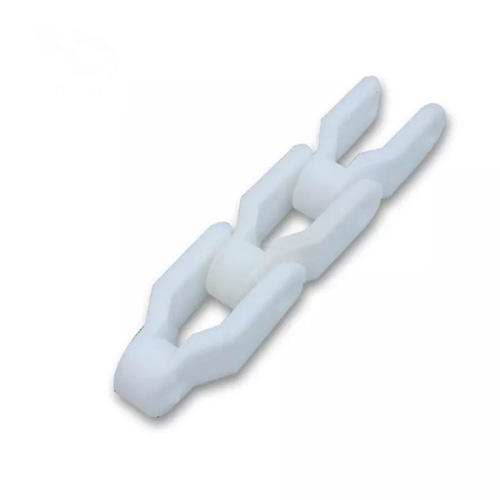
Rubber Belt
Rubber Belt: The Ultimate Guide to High-Performance Conveyor Solutions
In today’s fast-paced industrial environments, efficiency, reliability, and durability are non-negotiable. Rubber belts have been a cornerstone of material handling systems for decades, offering unmatched versatility across various sectors, including manufacturing, mining, agriculture, and logistics. As a trusted solution for conveyor systems, rubber belts ensure smooth operations, reduce downtime, and maximize productivity. This comprehensive guide delves into the essential aspects of rubber belts, covering product specifications, applications, and answers to frequently asked questions.
Why Choose Rubber Belts?
Rubber belts are engineered to withstand harsh conditions, including extreme temperatures, heavy loads, and abrasive materials. Their flexibility, strength, and resistance to wear make them ideal for both light-duty and heavy-duty applications. Whether you’re transporting raw materials in a mining facility or packaged goods in a distribution center, rubber belts provide consistent performance and long service life.
Key Product Parameters
Understanding the technical specifications of rubber belts is crucial for selecting the right product for your needs. Below, we break down the essential parameters using lists and tables for clarity and professionalism.
Material Composition
- Top Cover: Made from abrasion-resistant rubber compounds to protect against wear and tear.
- Bottom Cover: Designed with friction-resistant materials to ensure smooth interaction with pulleys.
- Reinforcement Layer: Typically includes polyester, nylon, or steel cords for enhanced tensile strength and flexibility.
- Edge Protection: Reinforced edges to prevent fraying and extend belt life.
Performance Specifications
| Parameter | Description | Typical Range |
|---|---|---|
| Tensile Strength | Maximum stress the belt can withstand without breaking | 200 - 3000 N/mm |
| Elongation at Break | Percentage stretch before failure | 10% - 30% |
| Abrasion Resistance | Measured in mm³ loss per test cycle | 50 - 150 mm³ |
| Operating Temperature | Range of temperatures the belt can function in | -40°C to 120°C |
| Belt Thickness | Total thickness including covers and reinforcement | 5 mm - 30 mm |
| Width Options | Available belt widths for different applications | 300 mm - 3000 mm |
Common Applications
- Mining: Transporting ores, coal, and minerals under demanding conditions.
- Agriculture: Moving grains, fertilizers, and harvested crops.
- Manufacturing: Conveying parts and products along assembly lines.
- Logistics: Sorting and moving packages in warehouses and distribution centers.
Rubber Belt FAQ: Common Questions Answered
Rubber Belt FAQ Section 1: Installation and Maintenance
Q: What are the best practices for installing a rubber belt to ensure longevity?
A: Proper installation is critical for maximizing the life of a rubber belt. Start by ensuring the conveyor structure is aligned and free of sharp edges. Use appropriate tensioning devices to avoid over-tightening, which can cause premature wear. Lubricate pulleys as needed, and follow the manufacturer’s guidelines for splicing and tracking. Regular inspections during the first 48 hours of operation can help identify and correct issues early.
Q: How often should I perform maintenance on my rubber belt?
A: Maintenance frequency depends on the operating environment and load. For high-abrasion applications, inspect the belt weekly for signs of wear, such as cracks or thinning covers. In less demanding settings, monthly checks may suffice. Key maintenance tasks include cleaning to remove debris, checking tension, and monitoring pulley alignment. Always refer to the product manual for specific recommendations.
Rubber Belt FAQ Section 2: Material and Durability
Q: What materials are used in high-quality rubber belts, and how do they impact performance?
A: Premium rubber belts typically feature a blend of natural and synthetic rubber compounds for the covers, providing excellent abrasion resistance and flexibility. The reinforcement layer often consists of polyester or steel cords, which offer high tensile strength and minimal elongation. These materials work together to handle heavy loads, resist impact, and operate efficiently in varying temperatures, ensuring durability and reduced downtime.
Q: Can rubber belts withstand extreme weather conditions?
A: Yes, many rubber belts are designed for extreme conditions. For cold environments, specialized compounds prevent cracking and maintain flexibility. In high-temperature settings, heat-resistant rubbers minimize degradation. Additionally, UV-resistant coatings protect against sun exposure outdoors. Always verify the belt’s temperature and environmental ratings before installation to ensure compatibility.
Rubber Belt FAQ Section 3: Customization and Selection
Q: How do I choose the right rubber belt for my specific application?
A: Selecting the appropriate rubber belt involves evaluating several factors: the type of material being conveyed (e.g., abrasive, oily, or sharp), load weight, conveyor speed, and environmental conditions. Consult with a supplier to match belt parameters like tensile strength, cover thickness, and reinforcement type to your needs. Custom options, such as cleats or sidewalls, can enhance performance for inclined or specialized systems.
Q: Are custom-sized rubber belts available, and what is the lead time?
A: Absolutely. Most manufacturers offer custom sizing to fit unique conveyor setups, including specific widths, lengths, and thicknesses. Lead times vary based on complexity and order volume but typically range from 2 to 6 weeks. Provide detailed specifications during ordering to ensure accuracy and discuss urgent requirements for expedited processing.
Conclusion
Rubber belts remain an indispensable component in modern industrial operations, offering reliability, efficiency, and adaptability. By understanding the key parameters—from material composition to performance specs—you can make informed decisions that optimize your conveyor systems. Regular maintenance and proper selection further enhance longevity and performance. For more insights or to explore our range of high-quality rubber belts, reach out to our expert team for personalized assistance.